

Give the Gift of Choice!
Too many options? Treat your friends and family to their favourite stores with a Bayshore Shopping Centre gift card, redeemable at participating retailers throughout the centre. Click below to purchase yours today!Purchase HereHome
Radical Constructivism
Coles
Loading Inventory...
Radical Constructivism in Ottawa, ON
Current price: $90.92

Radical Constructivism in Ottawa, ON
Current price: $90.92
Loading Inventory...
Size: Kobo eBook
*Product information may vary - to confirm product availability, pricing, shipping and return information please contact Coles
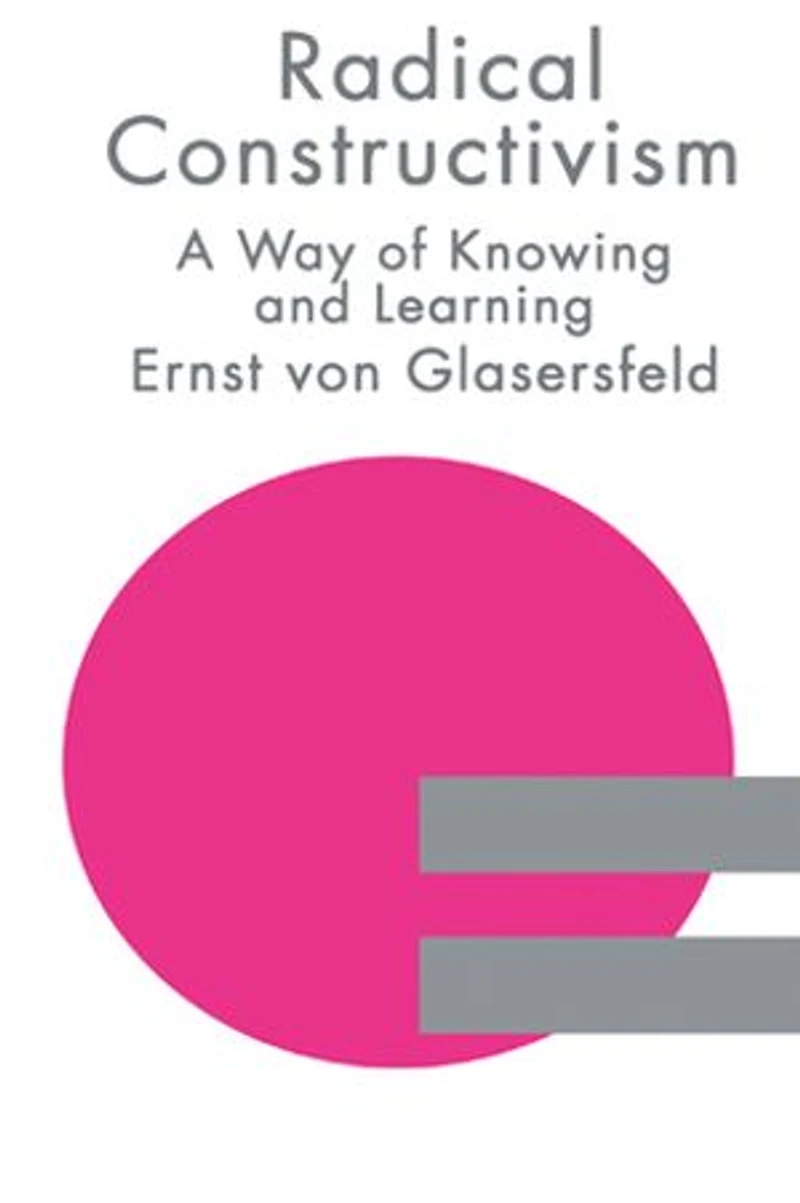
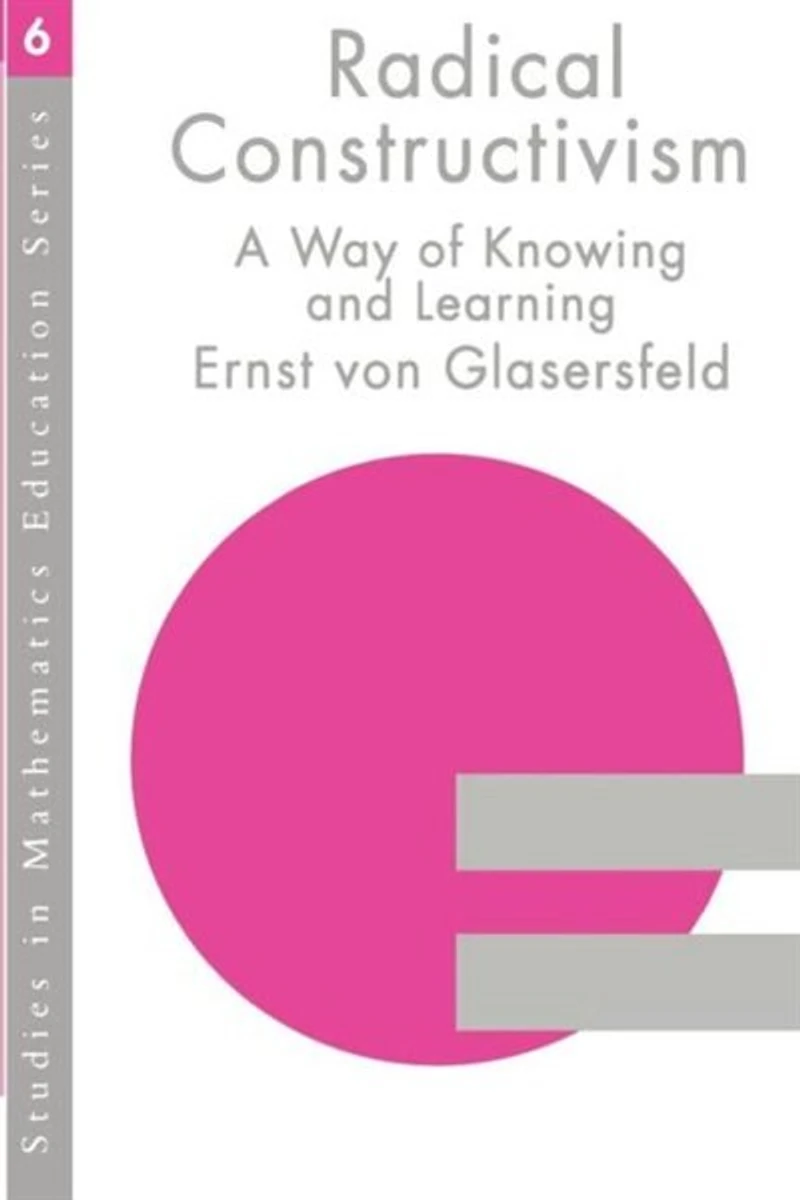
First Published in 1995. In the past decade or two, the most important theoretical perspective to emerge in mathematics education has been that of constructivism. This burst onto the international scene at the controversial Eleventh International Conference on the Psychology of Mathematics Education in Montreal in the summer of 1987. No one there will forget von Glasersfeld's authoritative plenary presentation on radical constructivism, and his replies to critics. Ironically, the conference, at which attacks on radical constructivism were perhaps intended to expose fatally its weaknesses, served as a platform from which the theory was launched to widespread international acceptance and approbation. Radical constructivism is a theory of knowing that provides a pragmatic approach to questions about reality, truth, language and human understanding. It breaks with the philosophical tradition and proposes a conception of knowledge that focuses on experiential fit rather than metaphysical truth. It claims to be a useful approach, not the revelation of a timeless world. The ten chapters of this book present different facets in an elegantly written and thoroughly argued account of this epistemological position, providing a profound analysis of its central concepts.
First Published in 1995. In the past decade or two, the most important theoretical perspective to emerge in mathematics education has been that of constructivism. This burst onto the international scene at the controversial Eleventh International Conference on the Psychology of Mathematics Education in Montreal in the summer of 1987. No one there will forget von Glasersfeld's authoritative plenary presentation on radical constructivism, and his replies to critics. Ironically, the conference, at which attacks on radical constructivism were perhaps intended to expose fatally its weaknesses, served as a platform from which the theory was launched to widespread international acceptance and approbation. Radical constructivism is a theory of knowing that provides a pragmatic approach to questions about reality, truth, language and human understanding. It breaks with the philosophical tradition and proposes a conception of knowledge that focuses on experiential fit rather than metaphysical truth. It claims to be a useful approach, not the revelation of a timeless world. The ten chapters of this book present different facets in an elegantly written and thoroughly argued account of this epistemological position, providing a profound analysis of its central concepts.
You May Also Like













More About Coles at Bayshore Shopping Centre
Coles is renowned for its outstanding customer service and great selection of books. Along with the vast array of magazines, stationary, audio-books, children's literature, fiction, non-fiction and reference books, you can find accessories to make your reading experience more pleasurable. We can recommend the very best in reading today. We will help you search our titles for exactly what you need, and if we do not have it in stock, we will order it for you.
100 Bayshore Dr, Nepean, ON K2B 8C1, Canada
Find Coles at Bayshore Shopping Centre in Ottawa, ON
Visit Coles at Bayshore Shopping Centre in Ottawa, ON