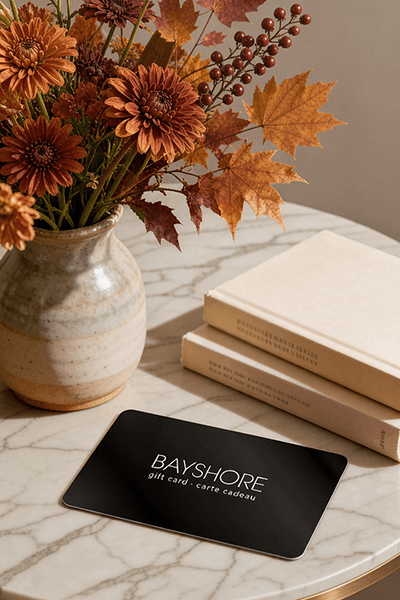
Too many options? Treat your friends and family to their favourite stores with a Bayshore Shopping Centre gift card, redeemable at participating retailers throughout the centre. Click below to purchase yours today!Purchase Here
Coles Rage and Carnage the Name of God: Religious Violence Nigeria at Bayshore Shopping Centre in Ottawa, ON
*Product information may vary - to confirm product availability, pricing, shipping and return information please contact Coles
In Rage and Carnage in the Name of God , Abiodun Alao examines the emergence of a culture of religious violence in postindependence Nigeria, where Christianity, Islam, and traditional religions have all been associated with violence. He investigates the root causes and historical evolution of Nigeria’s religious violence, locating it in the forced coming together of disparate ethnic groups under colonial rule, which planted the seeds of discord that religion, elites, and domestic politics exploit. Alao discusses the histories of Christianity, Islam, and traditional religions in the territory that became Nigeria, the effects of colonization on the role of religion, the development of Islamic radicalization and its relation to Christian violence, the activities of Boko Haram, and how religious violence intermixes with politics and governance. In so doing, he uses religious violence as a way to more fully understand intergroup relations in contemporary Nigeria.
In Rage and Carnage in the Name of God , Abiodun Alao examines the emergence of a culture of religious violence in postindependence Nigeria, where Christianity, Islam, and traditional religions have all been associated with violence. He investigates the root causes and historical evolution of Nigeria’s religious violence, locating it in the forced coming together of disparate ethnic groups under colonial rule, which planted the seeds of discord that religion, elites, and domestic politics exploit. Alao discusses the histories of Christianity, Islam, and traditional religions in the territory that became Nigeria, the effects of colonization on the role of religion, the development of Islamic radicalization and its relation to Christian violence, the activities of Boko Haram, and how religious violence intermixes with politics and governance. In so doing, he uses religious violence as a way to more fully understand intergroup relations in contemporary Nigeria.
Coles is renowned for its outstanding customer service and great selection of books. Along with the vast array of magazines, stationary, audio-books, children's literature, fiction, non-fiction and reference books, you can find accessories to make your reading experience more pleasurable. We can recommend the very best in reading today. We will help you search our titles for exactly what you need, and if we do not have it in stock, we will order it for you.