

Give the Gift of Choice!
Too many options? Treat your friends and family to their favourite stores with a Bayshore Shopping Centre gift card, redeemable at participating retailers throughout the centre. Click below to purchase yours today!Purchase HereHome
Reading Espionage Fiction: Narrative, Conflict and Commitment from World War I to the Contemporary Era
Coles
Loading Inventory...
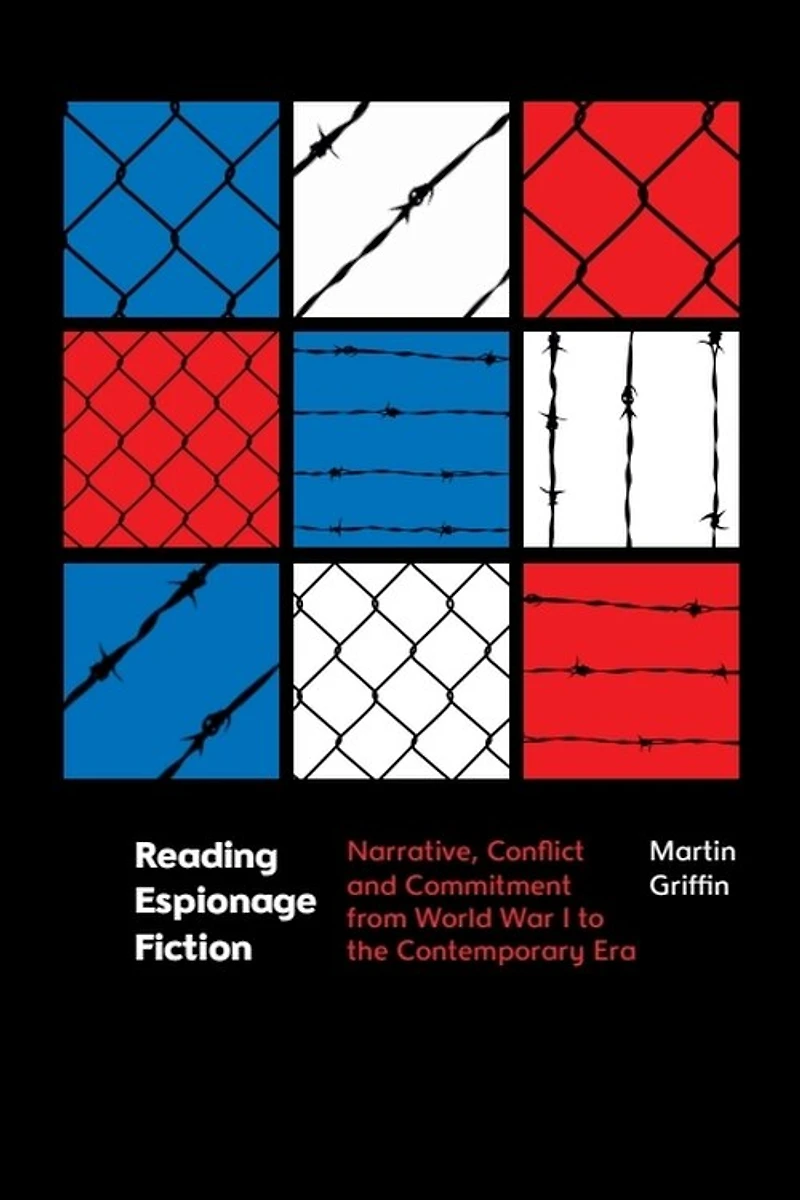
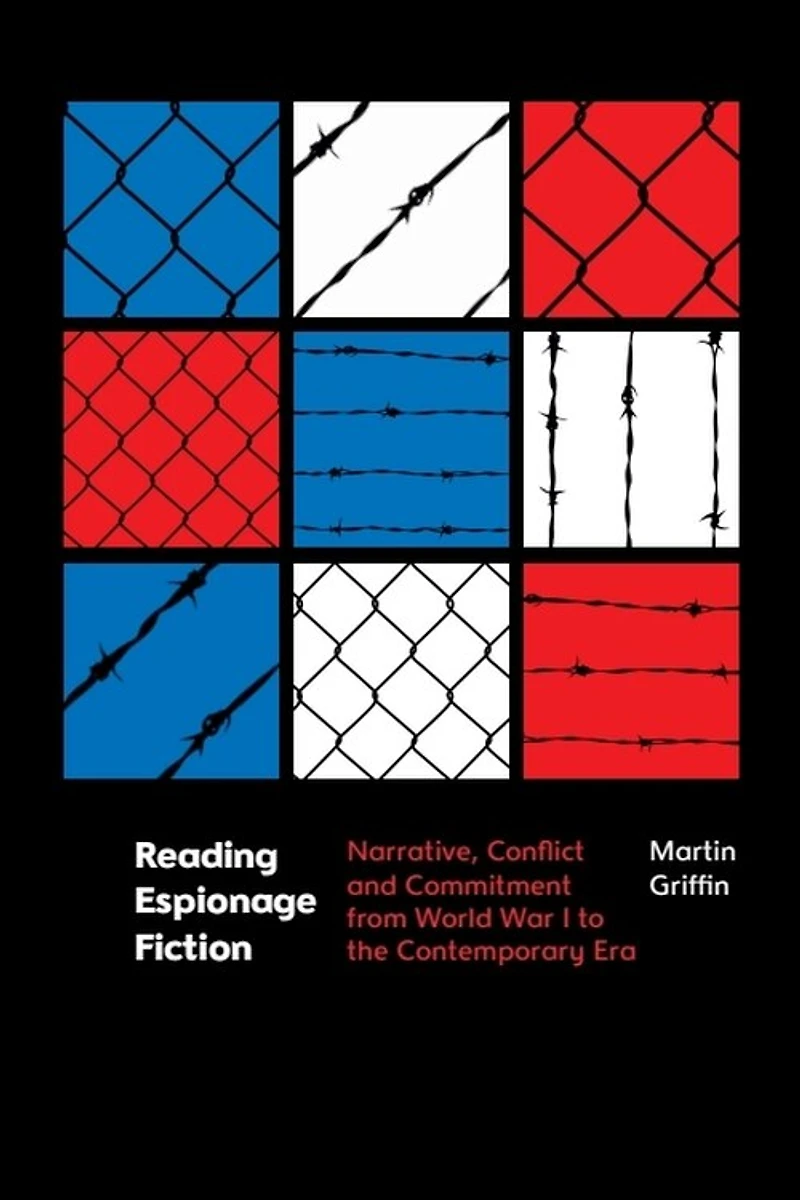
Reading Espionage Fiction: Narrative, Conflict and Commitment from World War I to the Contemporary Era in Ottawa, ON
Current price: $151.83

Reading Espionage Fiction: Narrative, Conflict and Commitment from World War I to the Contemporary Era in Ottawa, ON
Current price: $151.83
Loading Inventory...
Size: Hardcover
*Product information may vary - to confirm product availability, pricing, shipping and return information please contact Coles
Reading Espionage Fiction: Narrative, Conflict and Commitment from World War I to the Contemporary Era probes the ways in which the struggles and loyalties of political modernity have been portrayed in the espionage story over the course of the twentieth and twenty-first centuries. Reading works by authors such as Somerset Maugham, Helen MacInnes, John le Carré, Sam E. Greenlee and Gerald Seymour as popular literature deserving of sustained attention, this book shows how these narratives have both created a modern genre and, at the same time, sought an escape from its limitations. Martin Griffin takes up the importance of plot and character and argues that, in this branch of fiction, the personal has always and ever been political.
Reading Espionage Fiction: Narrative, Conflict and Commitment from World War I to the Contemporary Era probes the ways in which the struggles and loyalties of political modernity have been portrayed in the espionage story over the course of the twentieth and twenty-first centuries. Reading works by authors such as Somerset Maugham, Helen MacInnes, John le Carré, Sam E. Greenlee and Gerald Seymour as popular literature deserving of sustained attention, this book shows how these narratives have both created a modern genre and, at the same time, sought an escape from its limitations. Martin Griffin takes up the importance of plot and character and argues that, in this branch of fiction, the personal has always and ever been political.
You May Also Like

















More About Coles at Bayshore Shopping Centre
Coles is renowned for its outstanding customer service and great selection of books. Along with the vast array of magazines, stationary, audio-books, children's literature, fiction, non-fiction and reference books, you can find accessories to make your reading experience more pleasurable. We can recommend the very best in reading today. We will help you search our titles for exactly what you need, and if we do not have it in stock, we will order it for you.
100 Bayshore Dr, Nepean, ON K2B 8C1, Canada
Find Coles at Bayshore Shopping Centre in Ottawa, ON
Visit Coles at Bayshore Shopping Centre in Ottawa, ON