

Give the Gift of Choice!
Too many options? Treat your friends and family to their favourite stores with a Bayshore Shopping Centre gift card, redeemable at participating retailers throughout the centre. Click below to purchase yours today!Purchase HereHome
Reading the Illegible: Indigenous Writing and Limits of Colonial Hegemony Andes
Coles
Loading Inventory...
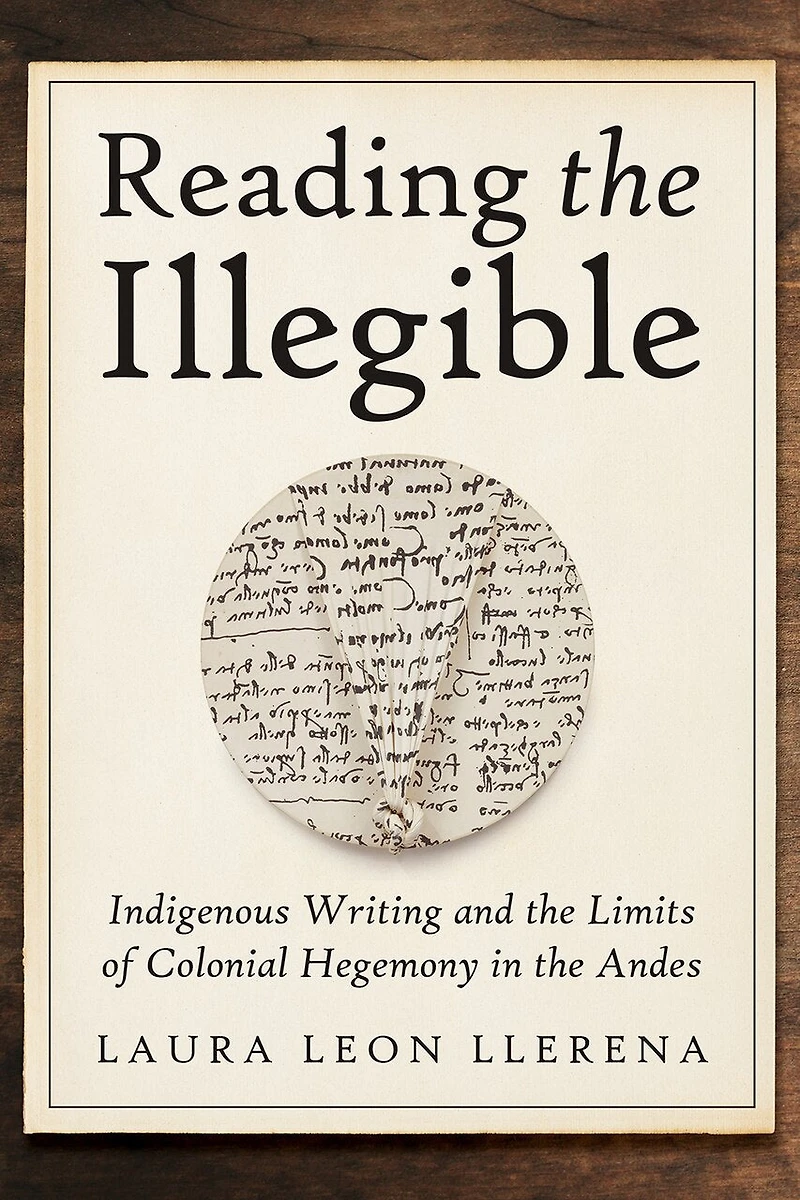
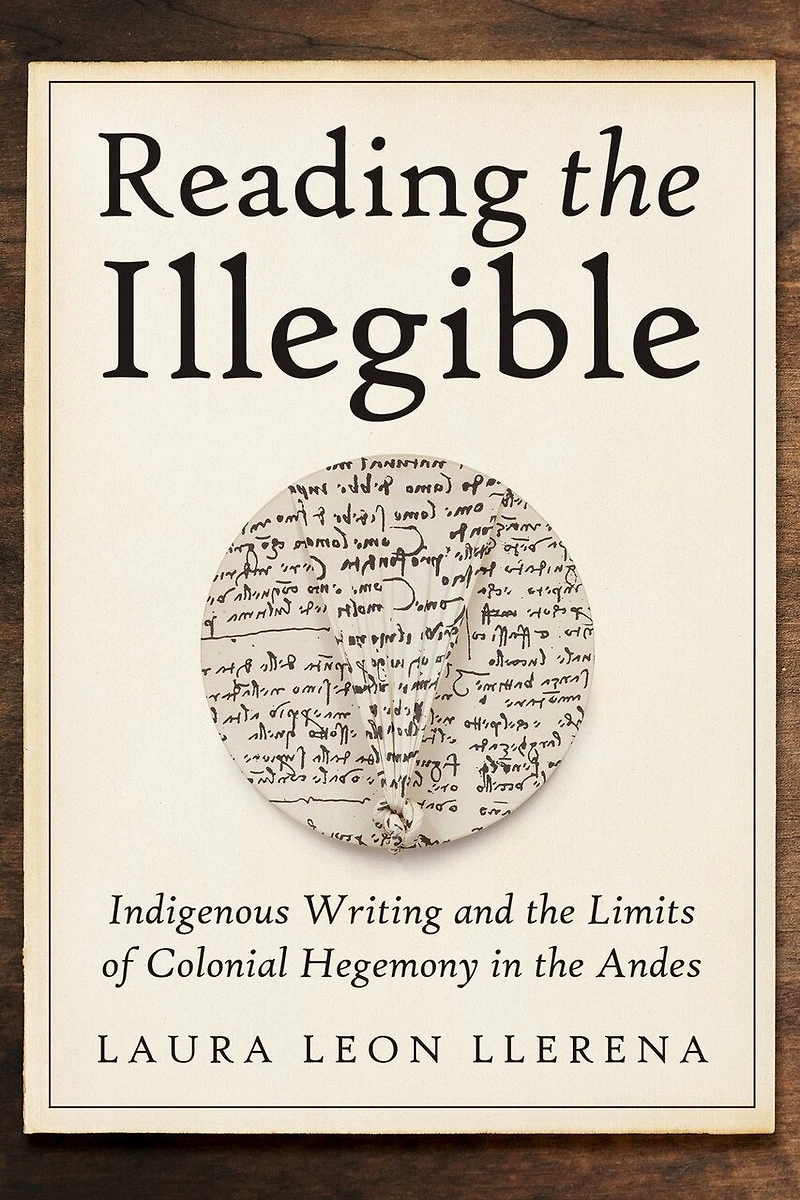
Reading the Illegible: Indigenous Writing and Limits of Colonial Hegemony Andes in Ottawa, ON
Current price: $87.50

Reading the Illegible: Indigenous Writing and Limits of Colonial Hegemony Andes in Ottawa, ON
Current price: $87.50
Loading Inventory...
Size: Hardcover
*Product information may vary - to confirm product availability, pricing, shipping and return information please contact Coles
Reading the Illegible examines the history of alphabetic writing in early colonial Peru, deconstructing the conventional notion of literacy as a weapon of the colonizer. This book develops the concept of legibility, which allows for an in-depth analysis of coexisting Andean and non-Native media. The book discusses the stories surrounding the creation of the Huarochirí Manuscript (c. 1598-1608), the only surviving book-length text written by Indigenous people in Quechua in the early colonial period. The manuscript has been deemed "untranslatable in all the usual senses," but scholar Laura Leon Llerena argues that it offers an important window into the meaning of legibility.
The concept of legibility allows us to reconsider this unique manuscript within the intertwined histories of literacy, knowledge, and colonialism. Reading the Illegible shows that the anonymous author(s) of the Huarochirí Manuscript, along with two contemporaneous Andean-authored texts by Joan de Santa Cruz Pachacuti and Felipe Guaman Poma de Ayala, rewrote the history of writing and the notion of Christianity by deploying the colonizers' technology of alphabetic writing.
Reading the Illegible weaves together the story of the peoples, places, objects, and media that surrounded the creation of the anonymous Huarochirí Manuscript to demonstrate how Andean people endowed the European technology of writing with a new social role in the context of a multimedia society.
Reading the Illegible examines the history of alphabetic writing in early colonial Peru, deconstructing the conventional notion of literacy as a weapon of the colonizer. This book develops the concept of legibility, which allows for an in-depth analysis of coexisting Andean and non-Native media. The book discusses the stories surrounding the creation of the Huarochirí Manuscript (c. 1598-1608), the only surviving book-length text written by Indigenous people in Quechua in the early colonial period. The manuscript has been deemed "untranslatable in all the usual senses," but scholar Laura Leon Llerena argues that it offers an important window into the meaning of legibility.
The concept of legibility allows us to reconsider this unique manuscript within the intertwined histories of literacy, knowledge, and colonialism. Reading the Illegible shows that the anonymous author(s) of the Huarochirí Manuscript, along with two contemporaneous Andean-authored texts by Joan de Santa Cruz Pachacuti and Felipe Guaman Poma de Ayala, rewrote the history of writing and the notion of Christianity by deploying the colonizers' technology of alphabetic writing.
Reading the Illegible weaves together the story of the peoples, places, objects, and media that surrounded the creation of the anonymous Huarochirí Manuscript to demonstrate how Andean people endowed the European technology of writing with a new social role in the context of a multimedia society.
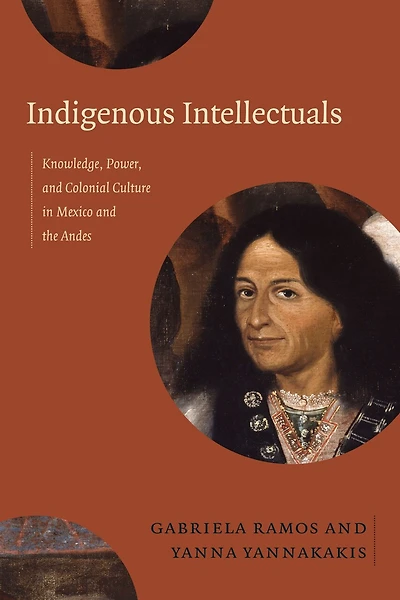
You May Also Like








More About Coles at Bayshore Shopping Centre
Coles is renowned for its outstanding customer service and great selection of books. Along with the vast array of magazines, stationary, audio-books, children's literature, fiction, non-fiction and reference books, you can find accessories to make your reading experience more pleasurable. We can recommend the very best in reading today. We will help you search our titles for exactly what you need, and if we do not have it in stock, we will order it for you.
100 Bayshore Dr, Nepean, ON K2B 8C1, Canada
Find Coles at Bayshore Shopping Centre in Ottawa, ON
Visit Coles at Bayshore Shopping Centre in Ottawa, ON