

Give the Gift of Choice!
Too many options? Treat your friends and family to their favourite stores with a Bayshore Shopping Centre gift card, redeemable at participating retailers throughout the centre. Click below to purchase yours today!Purchase HereHome
Realism and Psychological Science
Coles
Loading Inventory...
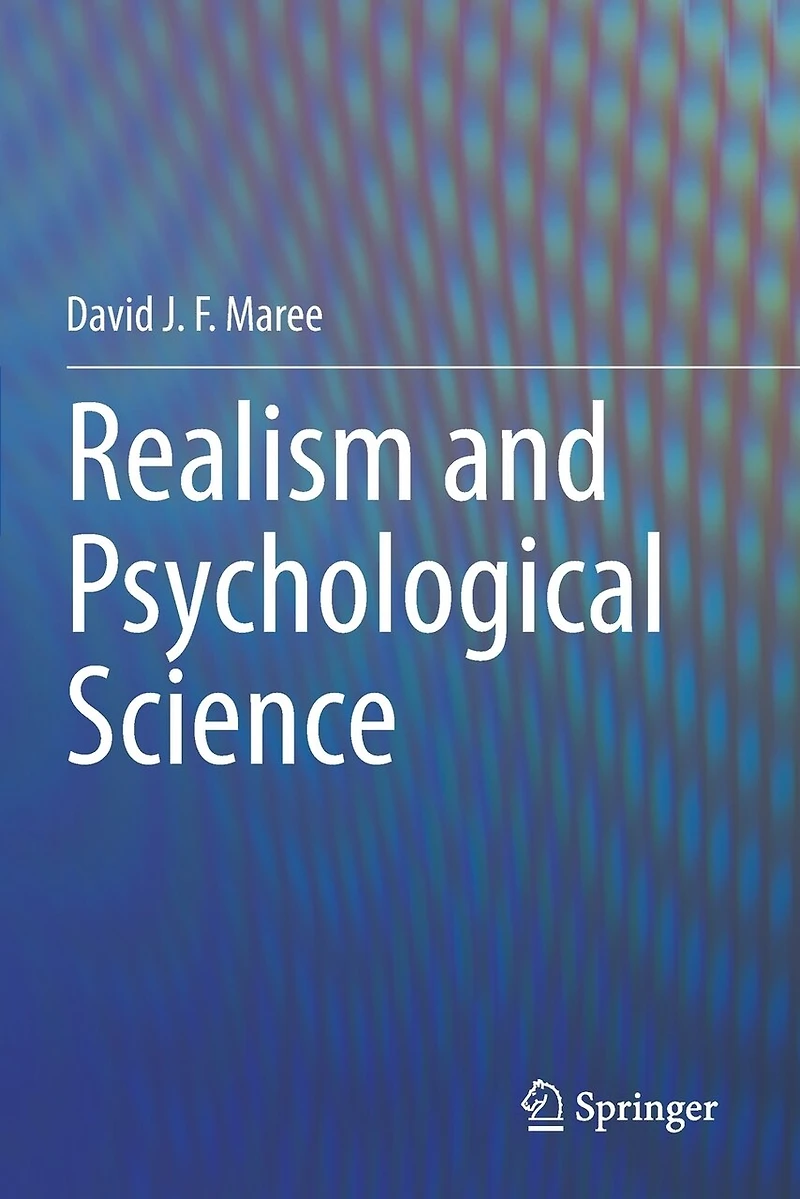
Realism and Psychological Science in Ottawa, ON
Current price: $160.95

Realism and Psychological Science in Ottawa, ON
Current price: $160.95
Loading Inventory...
Size: Paperback
*Product information may vary - to confirm product availability, pricing, shipping and return information please contact Coles
The book provides an argument why realism is a viable metatheoretical framework for psychological science. By looking at some variations of realism such as scientific realism, critical realism, situational realism and Ferraris' new realism, a realist view of science is outlined that can feature as a metatheory for psychological science. Realism is a necessary correction for the mythical image of science responsible for and maintained by a number of dichotomies and polarities in psychology. Thus, the quantitative-qualitative dichotomy, scientist-practitioner polarity and positivist-constructionist opposition feed off and maintains a mythic image of science on levels of practice, methods and metatheory. Realism makes a clear distinction between ontology and epistemic access to reality, the latter which easily fits with softer versions of constructionism, and the former which grounds science in resistance and possibility, loosely translated as criticism. By taking science as a critical activity an issue such as the quantitative imperative looses its defining force as a hallmark of science - it provides epistemic access to certain parts of reality. In addition, essentially critical activities characteristic of various qualitative approaches may be welcomed as proper science. Academics, professionals and researchers in psychology would find value in situating their scholarly work in a realist metatheory avoiding the pitfalls of traditional methodologies and theories.
The book provides an argument why realism is a viable metatheoretical framework for psychological science. By looking at some variations of realism such as scientific realism, critical realism, situational realism and Ferraris' new realism, a realist view of science is outlined that can feature as a metatheory for psychological science. Realism is a necessary correction for the mythical image of science responsible for and maintained by a number of dichotomies and polarities in psychology. Thus, the quantitative-qualitative dichotomy, scientist-practitioner polarity and positivist-constructionist opposition feed off and maintains a mythic image of science on levels of practice, methods and metatheory. Realism makes a clear distinction between ontology and epistemic access to reality, the latter which easily fits with softer versions of constructionism, and the former which grounds science in resistance and possibility, loosely translated as criticism. By taking science as a critical activity an issue such as the quantitative imperative looses its defining force as a hallmark of science - it provides epistemic access to certain parts of reality. In addition, essentially critical activities characteristic of various qualitative approaches may be welcomed as proper science. Academics, professionals and researchers in psychology would find value in situating their scholarly work in a realist metatheory avoiding the pitfalls of traditional methodologies and theories.
You May Also Like













More About Coles at Bayshore Shopping Centre
Coles is renowned for its outstanding customer service and great selection of books. Along with the vast array of magazines, stationary, audio-books, children's literature, fiction, non-fiction and reference books, you can find accessories to make your reading experience more pleasurable. We can recommend the very best in reading today. We will help you search our titles for exactly what you need, and if we do not have it in stock, we will order it for you.
100 Bayshore Dr, Nepean, ON K2B 8C1, Canada
Find Coles at Bayshore Shopping Centre in Ottawa, ON
Visit Coles at Bayshore Shopping Centre in Ottawa, ON