

Give the Gift of Choice!
Too many options? Treat your friends and family to their favourite stores with a Bayshore Shopping Centre gift card, redeemable at participating retailers throughout the centre. Click below to purchase yours today!Purchase HereHome
Rebels and Conflict Escalation: Explaining the Rise Decline Violence
Coles
Loading Inventory...
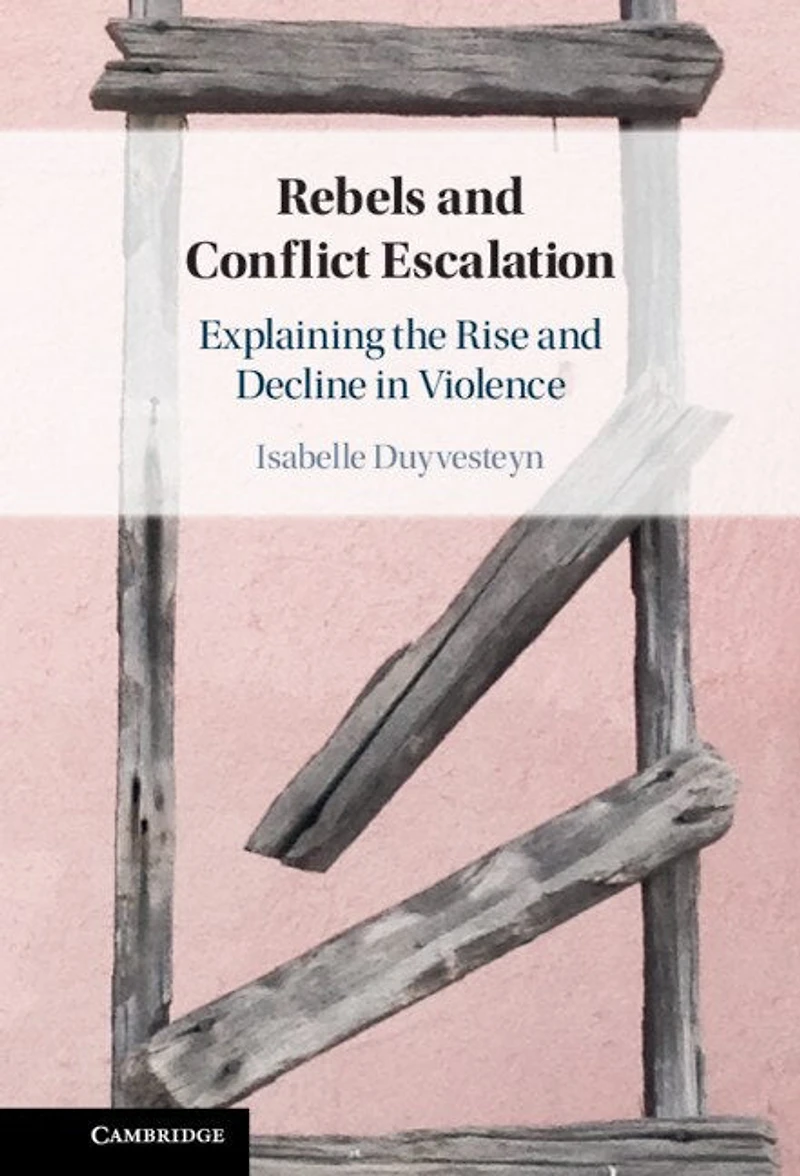
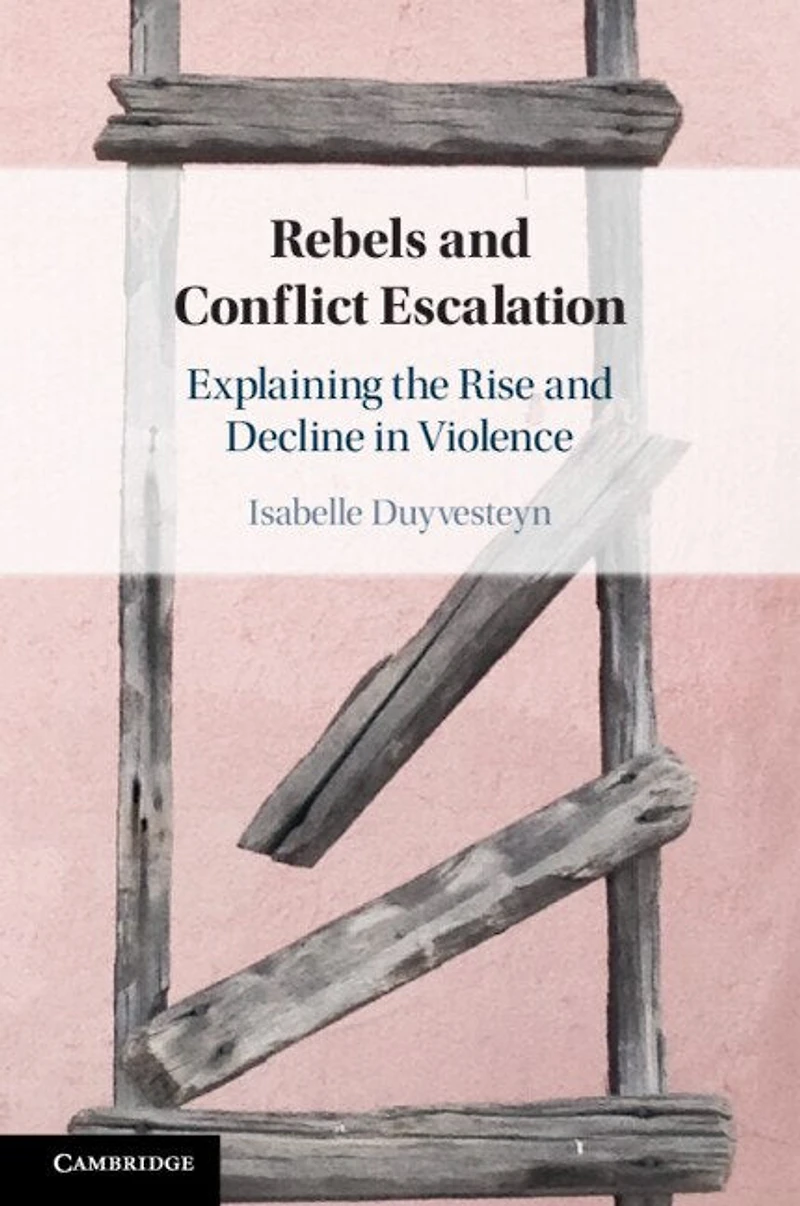
Rebels and Conflict Escalation: Explaining the Rise Decline Violence in Ottawa, ON
Current price: $127.95

Rebels and Conflict Escalation: Explaining the Rise Decline Violence in Ottawa, ON
Current price: $127.95
Loading Inventory...
Size: Hardcover
*Product information may vary - to confirm product availability, pricing, shipping and return information please contact Coles
Violence during war often involves upswings and downturns that have, to date, been insufficiently explained. Why does violence at a particular point in time increase in intensity and why do actors in war decrease the level of violence at other points? Duyvesteyn discusses the potential explanatory variables for escalation and de-escalation in conflicts involving states and non-state actors, such as terrorists and insurgents. Using theoretical arguments and examples from modern history, this book presents the most notable causal mechanisms or shifts in the shape of propositions that could explain the rise and decline of non-state actor violence after the start and before the termination of conflict. This study critically reflects on the conceptualisation of escalation as linear, rational and wilful, and instead presents an image of rebel escalation as accidental, messy and within a very limited range of control.
Violence during war often involves upswings and downturns that have, to date, been insufficiently explained. Why does violence at a particular point in time increase in intensity and why do actors in war decrease the level of violence at other points? Duyvesteyn discusses the potential explanatory variables for escalation and de-escalation in conflicts involving states and non-state actors, such as terrorists and insurgents. Using theoretical arguments and examples from modern history, this book presents the most notable causal mechanisms or shifts in the shape of propositions that could explain the rise and decline of non-state actor violence after the start and before the termination of conflict. This study critically reflects on the conceptualisation of escalation as linear, rational and wilful, and instead presents an image of rebel escalation as accidental, messy and within a very limited range of control.
You May Also Like










More About Coles at Bayshore Shopping Centre
Coles is renowned for its outstanding customer service and great selection of books. Along with the vast array of magazines, stationary, audio-books, children's literature, fiction, non-fiction and reference books, you can find accessories to make your reading experience more pleasurable. We can recommend the very best in reading today. We will help you search our titles for exactly what you need, and if we do not have it in stock, we will order it for you.
100 Bayshore Dr, Nepean, ON K2B 8C1, Canada
Find Coles at Bayshore Shopping Centre in Ottawa, ON
Visit Coles at Bayshore Shopping Centre in Ottawa, ON