

Give the Gift of Choice!
Too many options? Treat your friends and family to their favourite stores with a Bayshore Shopping Centre gift card, redeemable at participating retailers throughout the centre. Click below to purchase yours today!Purchase HereHome
Reconfigurable Cellular Neural Networks and Their Applications
Coles
Loading Inventory...
Reconfigurable Cellular Neural Networks and Their Applications in Ottawa, ON
Current price: $64.49
Original price: $80.62

Reconfigurable Cellular Neural Networks and Their Applications in Ottawa, ON
Current price: $64.49
Original price: $80.62
Loading Inventory...
Size: Kobo eBook
*Product information may vary - to confirm product availability, pricing, shipping and return information please contact Coles
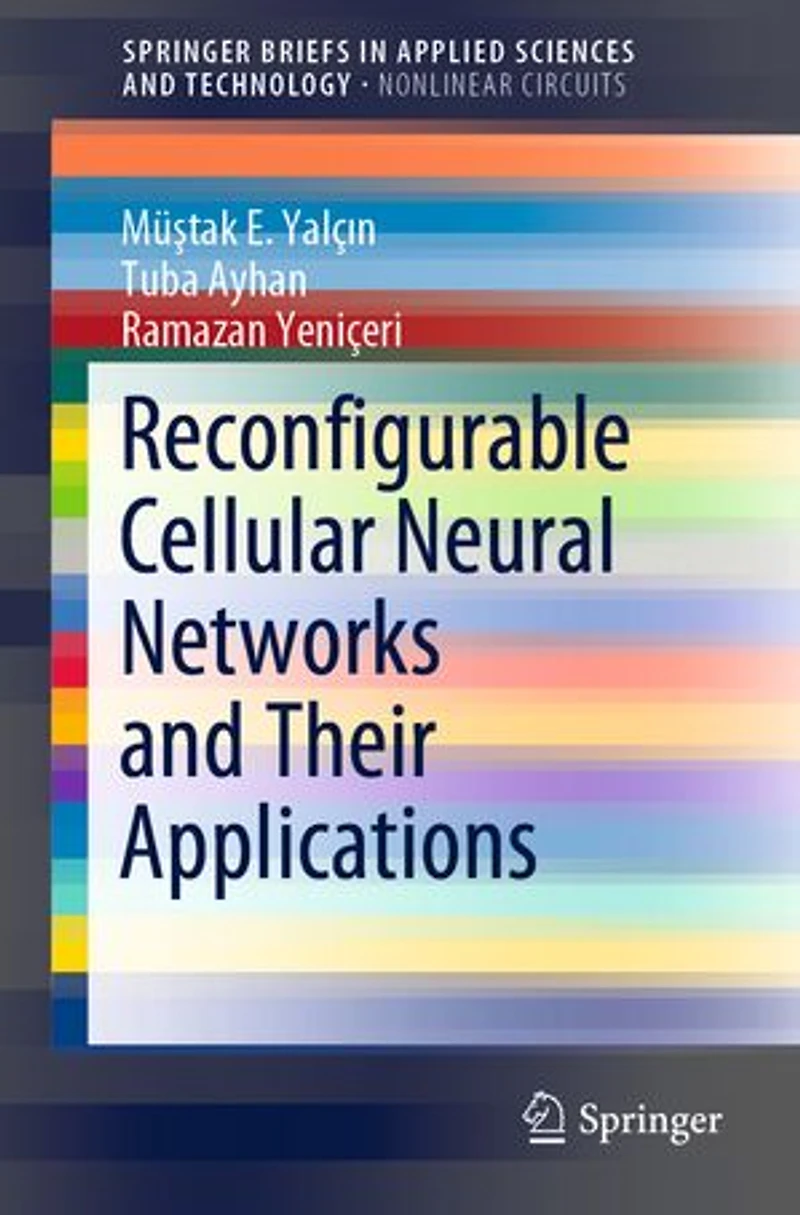
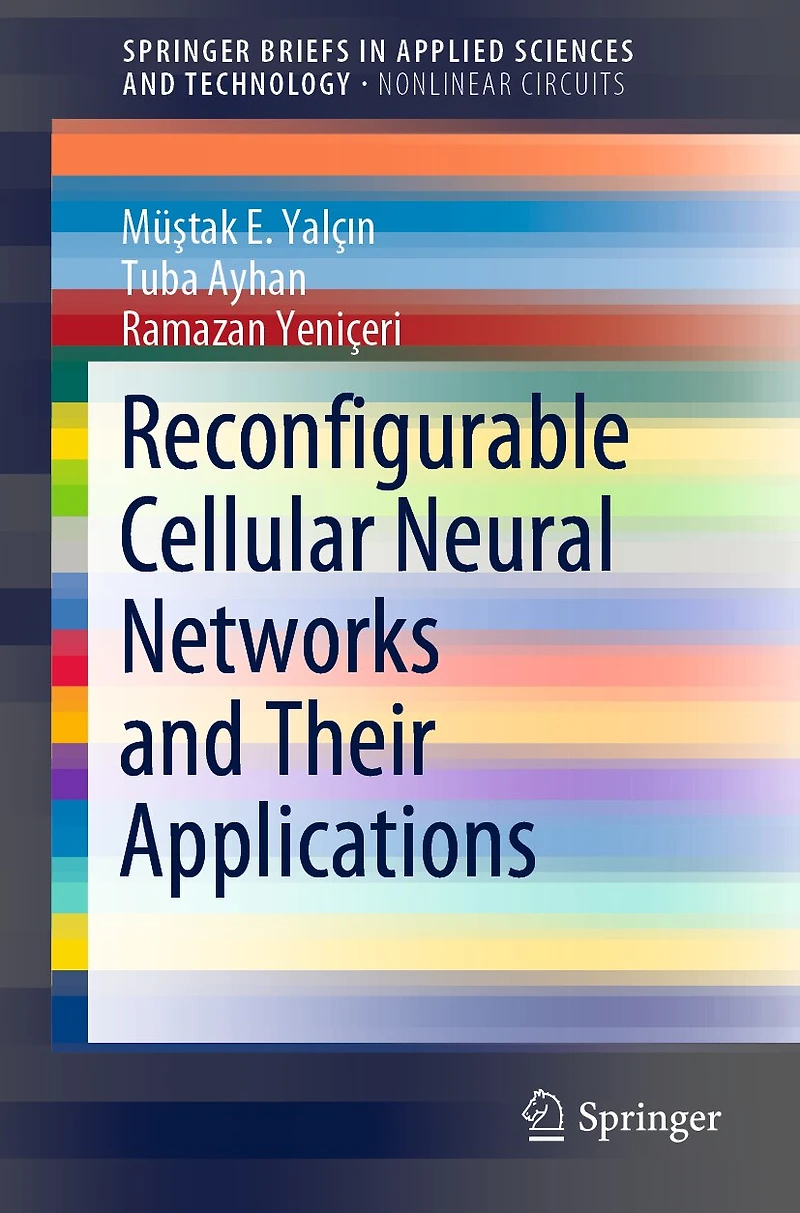
This book explores how neural networks can be designed to analyze sensory data in a way that mimics natural systems. It introduces readers to the cellular neural network (CNN) and formulates it to match the behavior of the Wilson-Cowan model. In turn, two properties that are vital in nature are added to the CNN to help it more accurately deliver mimetic behavior: randomness of connection, and the presence of different dynamics (excitatory and inhibitory) within the same network. It uses an ID matrix to determine the location of excitatory and inhibitory neurons, and to reconfigure the network to optimize its topology. The book demonstrates that reconfiguring a single-layer CNN is an easier and more flexible solution than the procedure required in a multilayer CNN, in which excitatory and inhibitory neurons are separate, and that the key CNN criteria of a spatially invariant template and local coupling are fulfilled. In closing, the application of the authors' neuron population model as a feature extractor is exemplified using odor and electroencephalogram classification.
This book explores how neural networks can be designed to analyze sensory data in a way that mimics natural systems. It introduces readers to the cellular neural network (CNN) and formulates it to match the behavior of the Wilson-Cowan model. In turn, two properties that are vital in nature are added to the CNN to help it more accurately deliver mimetic behavior: randomness of connection, and the presence of different dynamics (excitatory and inhibitory) within the same network. It uses an ID matrix to determine the location of excitatory and inhibitory neurons, and to reconfigure the network to optimize its topology. The book demonstrates that reconfiguring a single-layer CNN is an easier and more flexible solution than the procedure required in a multilayer CNN, in which excitatory and inhibitory neurons are separate, and that the key CNN criteria of a spatially invariant template and local coupling are fulfilled. In closing, the application of the authors' neuron population model as a feature extractor is exemplified using odor and electroencephalogram classification.
You May Also Like













More About Coles at Bayshore Shopping Centre
Coles is renowned for its outstanding customer service and great selection of books. Along with the vast array of magazines, stationary, audio-books, children's literature, fiction, non-fiction and reference books, you can find accessories to make your reading experience more pleasurable. We can recommend the very best in reading today. We will help you search our titles for exactly what you need, and if we do not have it in stock, we will order it for you.
100 Bayshore Dr, Nepean, ON K2B 8C1, Canada
Find Coles at Bayshore Shopping Centre in Ottawa, ON
Visit Coles at Bayshore Shopping Centre in Ottawa, ON