

Give the Gift of Choice!
Too many options? Treat your friends and family to their favourite stores with a Bayshore Shopping Centre gift card, redeemable at participating retailers throughout the centre. Click below to purchase yours today!Purchase HereHome
Recovery of the Sacred: Reforming the Reformed Liturgy
Coles
Loading Inventory...
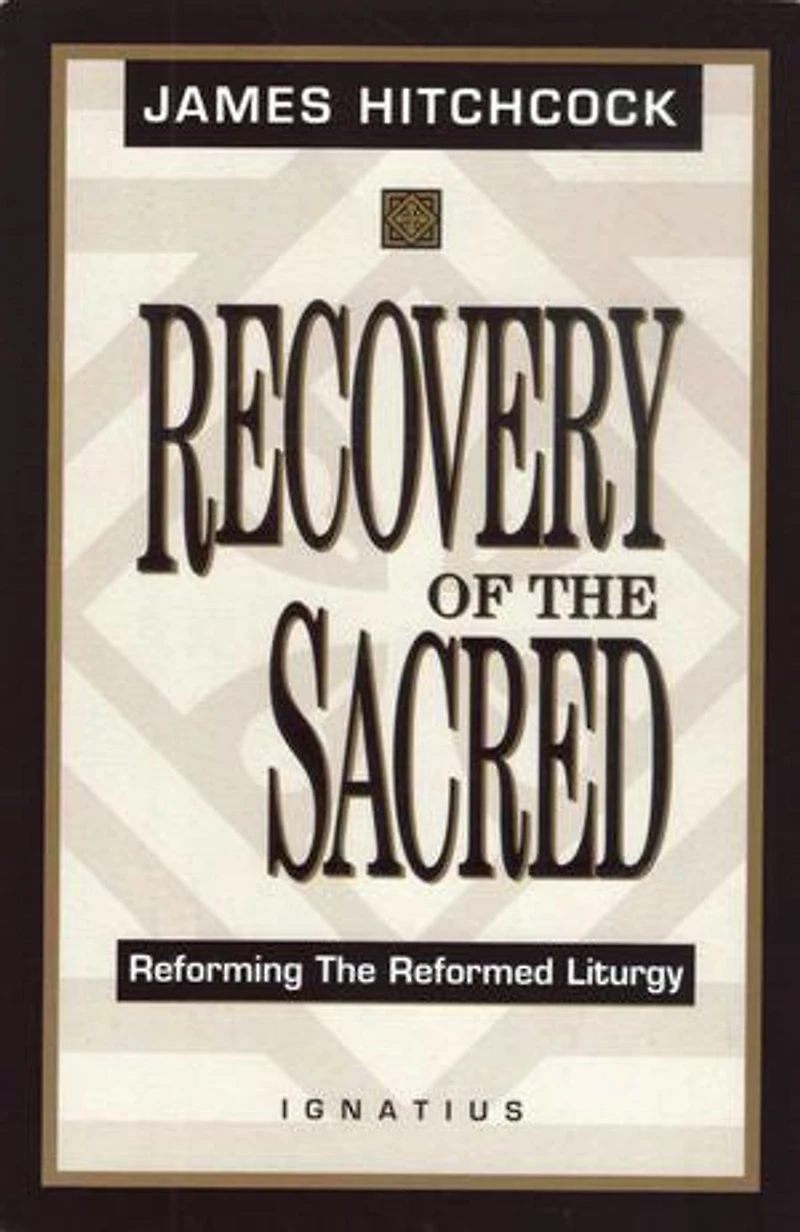
Recovery of the Sacred: Reforming the Reformed Liturgy in Ottawa, ON
Current price: $12.99
Original price: $16.22

Recovery of the Sacred: Reforming the Reformed Liturgy in Ottawa, ON
Current price: $12.99
Original price: $16.22
Loading Inventory...
Size: Kobo eBook
*Product information may vary - to confirm product availability, pricing, shipping and return information please contact Coles
James Hitchcock gives an extraordinarily incisive analysis of the liturgical abuse and destructive liturgical reforms brought about by professional liturgists and other "experts" over the last thirty years. Hitchcock chronicles the havoc wreaked by modern liturgists who abandoned the noble purposes of the classical (pre-1965) Liturgical Movement whose aim was to deepen people's appreciation of the inexhaustible mystery of the liturgy by elevating the practice of the liturgy to incorporate neglected riches of earlier centuries, especially the Patristic Age. Instead of seeking a deeper understanding of the great traditions of the Church through the ages, liturgists have sought "relevance" by means of continued adaptation to contemporary culture.
Hitchcock reveals how the tendency toward a desacralized liturgy has had the most profound effects on the whole life of the Church, as well as society. One's basic approach to liturgy is likely to be both a reflection and a catalyst to a whole range of values and beliefs. As Hitchcock states, "It is impossible to change basic symbols and rituals without also changing the life of the society whose symbols and rituals they are."
James Hitchcock gives an extraordinarily incisive analysis of the liturgical abuse and destructive liturgical reforms brought about by professional liturgists and other "experts" over the last thirty years. Hitchcock chronicles the havoc wreaked by modern liturgists who abandoned the noble purposes of the classical (pre-1965) Liturgical Movement whose aim was to deepen people's appreciation of the inexhaustible mystery of the liturgy by elevating the practice of the liturgy to incorporate neglected riches of earlier centuries, especially the Patristic Age. Instead of seeking a deeper understanding of the great traditions of the Church through the ages, liturgists have sought "relevance" by means of continued adaptation to contemporary culture.
Hitchcock reveals how the tendency toward a desacralized liturgy has had the most profound effects on the whole life of the Church, as well as society. One's basic approach to liturgy is likely to be both a reflection and a catalyst to a whole range of values and beliefs. As Hitchcock states, "It is impossible to change basic symbols and rituals without also changing the life of the society whose symbols and rituals they are."
You May Also Like










More About Coles at Bayshore Shopping Centre
Coles is renowned for its outstanding customer service and great selection of books. Along with the vast array of magazines, stationary, audio-books, children's literature, fiction, non-fiction and reference books, you can find accessories to make your reading experience more pleasurable. We can recommend the very best in reading today. We will help you search our titles for exactly what you need, and if we do not have it in stock, we will order it for you.
100 Bayshore Dr, Nepean, ON K2B 8C1, Canada
Find Coles at Bayshore Shopping Centre in Ottawa, ON
Visit Coles at Bayshore Shopping Centre in Ottawa, ON