

Give the Gift of Choice!
Too many options? Treat your friends and family to their favourite stores with a Bayshore Shopping Centre gift card, redeemable at participating retailers throughout the centre. Click below to purchase yours today!Purchase HereHome
Reduction, Emergence and the Metaphysics Science
Coles
Loading Inventory...
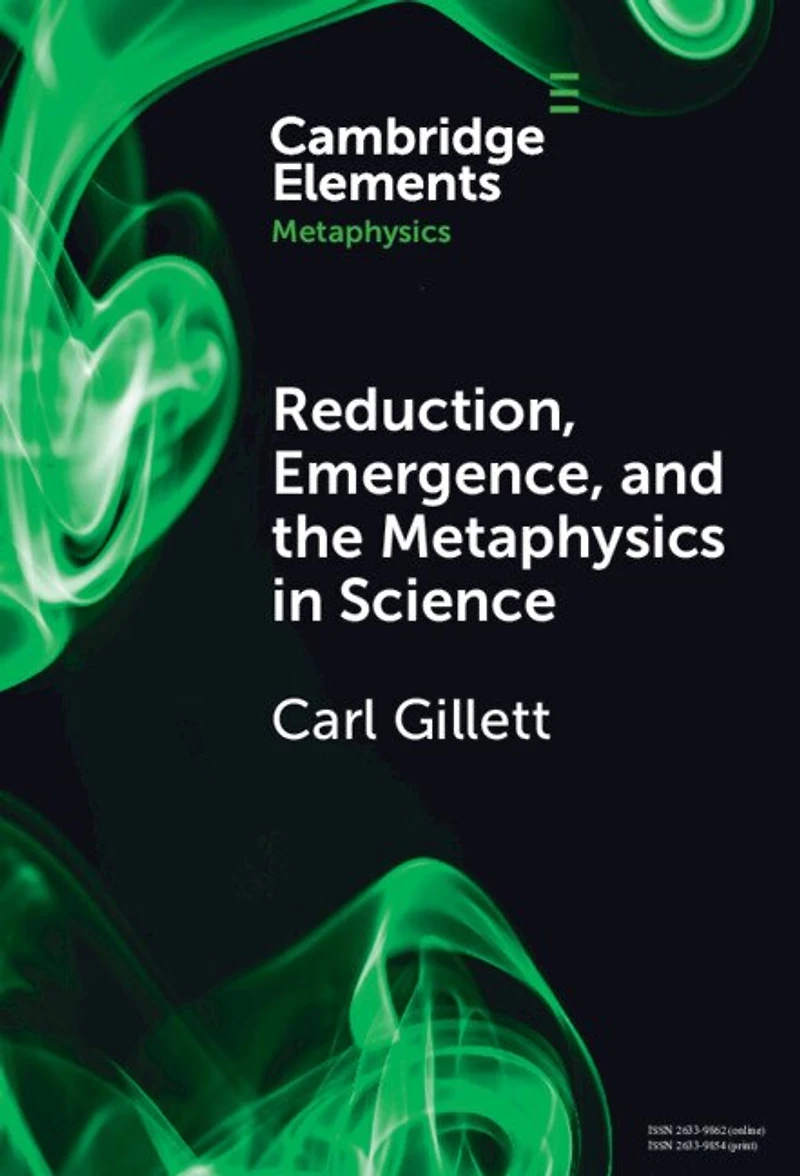
Reduction, Emergence and the Metaphysics Science in Ottawa, ON
Current price: $94.73

Reduction, Emergence and the Metaphysics Science in Ottawa, ON
Current price: $94.73
Loading Inventory...
Size: Hardcover
*Product information may vary - to confirm product availability, pricing, shipping and return information please contact Coles
This Element offers a fresh treatment of the two cycles of reduction-emergence debates in the sciences and their 'reductionist' and 'emergentist' positions. It suggests philosophers have neglected the compositional models/explanations, and 'endogenous' kind of metaphysics, central to these debates. It highlights how such endogenous metaphysics underpins what is termed the 'Dynamic Cycle,' by which scientists develop novel ontological concepts to underwrite new models/explanations to solve scientific problems. And it subsequently shows that the 'reductionist' and 'emergentist' views in the scientific debates follow the Dynamic Cycle. In the first cycle of debates, in the early twentieth century, the Element outlines how 'everyday reductionism' pioneered a novel family of compositional models/explanations in one of the most successful research movements in twentieth-century science. And, in present debates, it frames contemporary emergentist positions offering ontological innovations, underwriting new families of models, to address problems at the cutting-edge of twenty-first-century science.
This Element offers a fresh treatment of the two cycles of reduction-emergence debates in the sciences and their 'reductionist' and 'emergentist' positions. It suggests philosophers have neglected the compositional models/explanations, and 'endogenous' kind of metaphysics, central to these debates. It highlights how such endogenous metaphysics underpins what is termed the 'Dynamic Cycle,' by which scientists develop novel ontological concepts to underwrite new models/explanations to solve scientific problems. And it subsequently shows that the 'reductionist' and 'emergentist' views in the scientific debates follow the Dynamic Cycle. In the first cycle of debates, in the early twentieth century, the Element outlines how 'everyday reductionism' pioneered a novel family of compositional models/explanations in one of the most successful research movements in twentieth-century science. And, in present debates, it frames contemporary emergentist positions offering ontological innovations, underwriting new families of models, to address problems at the cutting-edge of twenty-first-century science.
You May Also Like
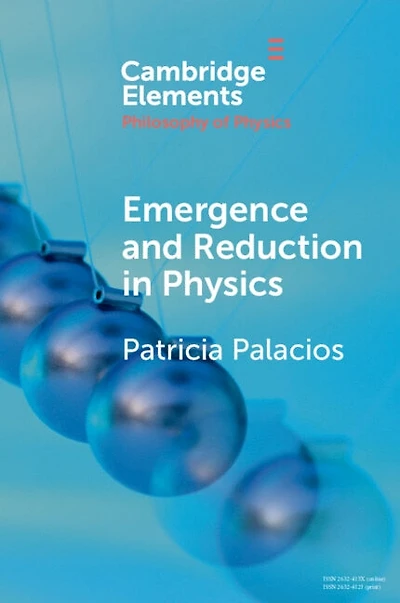
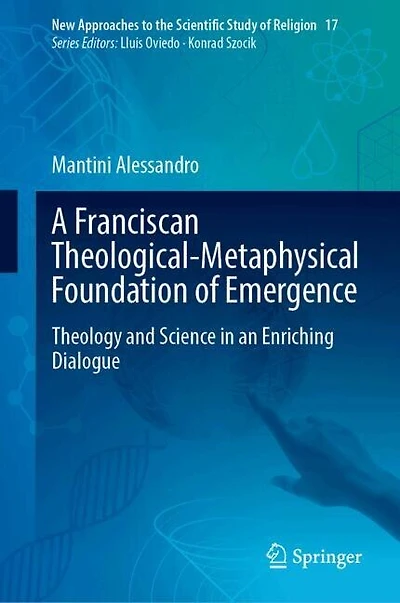









More About Coles at Bayshore Shopping Centre
Coles is renowned for its outstanding customer service and great selection of books. Along with the vast array of magazines, stationary, audio-books, children's literature, fiction, non-fiction and reference books, you can find accessories to make your reading experience more pleasurable. We can recommend the very best in reading today. We will help you search our titles for exactly what you need, and if we do not have it in stock, we will order it for you.
100 Bayshore Dr, Nepean, ON K2B 8C1, Canada
Find Coles at Bayshore Shopping Centre in Ottawa, ON
Visit Coles at Bayshore Shopping Centre in Ottawa, ON