

Give the Gift of Choice!
Too many options? Treat your friends and family to their favourite stores with a Bayshore Shopping Centre gift card, redeemable at participating retailers throughout the centre. Click below to purchase yours today!Purchase HereHome
Refashioning Muslims: Women Between the New Conservatism and Neoliberalism Istanbul
Coles
Loading Inventory...
Refashioning Muslims: Women Between the New Conservatism and Neoliberalism Istanbul in Ottawa, ON
Current price: $149.99

Refashioning Muslims: Women Between the New Conservatism and Neoliberalism Istanbul in Ottawa, ON
Current price: $149.99
Loading Inventory...
Size: Hardcover
*Product information may vary - to confirm product availability, pricing, shipping and return information please contact Coles
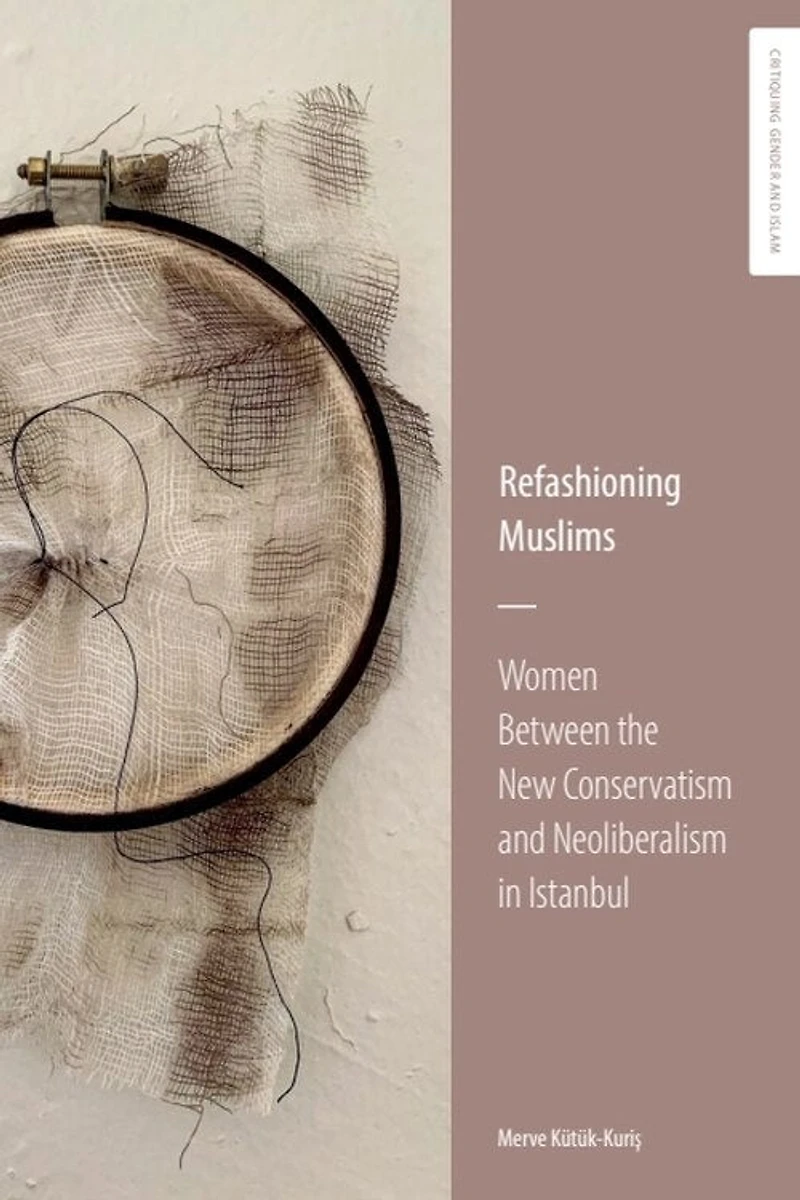
Refashioning Muslims explores the self-presentations and daily performances of young, bourgeois, fashion-conscious Muslim female entrepreneurs who emerged as new social actors in fields of fashion, leisure, charity and the family during the 2010s. It examines how these “Muslim fashionistas” significantly bolster governmental capacity to build public consent by projecting images of successful entrepreneurs, benevolent philanthropists and ideal mothers. However, their performances entail moments of imperfection and moral dilemma as they navigate market demands and everyday aspirations often conflicting with Islamic orthodoxy and traditional gender order.
The book analyses how Muslim fashionistas cooperate with and challenge religious, classed, and gendered ideals, shaping a neoliberal Muslim subjectivity in the new Turkey. Drawing on Ricoeur’s notion of ‘narrative identity’ and Bourdieu’s notion of ‘regulated liberties’, the book argues that women’s subjectivities are guided by the dynamic unity of the narrative configuration of the self, and formed through a complex interplay between autonomy and (self-)regulation.
Refashioning Muslims explores the self-presentations and daily performances of young, bourgeois, fashion-conscious Muslim female entrepreneurs who emerged as new social actors in fields of fashion, leisure, charity and the family during the 2010s. It examines how these “Muslim fashionistas” significantly bolster governmental capacity to build public consent by projecting images of successful entrepreneurs, benevolent philanthropists and ideal mothers. However, their performances entail moments of imperfection and moral dilemma as they navigate market demands and everyday aspirations often conflicting with Islamic orthodoxy and traditional gender order.
The book analyses how Muslim fashionistas cooperate with and challenge religious, classed, and gendered ideals, shaping a neoliberal Muslim subjectivity in the new Turkey. Drawing on Ricoeur’s notion of ‘narrative identity’ and Bourdieu’s notion of ‘regulated liberties’, the book argues that women’s subjectivities are guided by the dynamic unity of the narrative configuration of the self, and formed through a complex interplay between autonomy and (self-)regulation.
You May Also Like










More About Coles at Bayshore Shopping Centre
Coles is renowned for its outstanding customer service and great selection of books. Along with the vast array of magazines, stationary, audio-books, children's literature, fiction, non-fiction and reference books, you can find accessories to make your reading experience more pleasurable. We can recommend the very best in reading today. We will help you search our titles for exactly what you need, and if we do not have it in stock, we will order it for you.
100 Bayshore Dr, Nepean, ON K2B 8C1, Canada
Find Coles at Bayshore Shopping Centre in Ottawa, ON
Visit Coles at Bayshore Shopping Centre in Ottawa, ON