

Give the Gift of Choice!
Too many options? Treat your friends and family to their favourite stores with a Bayshore Shopping Centre gift card, redeemable at participating retailers throughout the centre. Click below to purchase yours today!Purchase HereHome
Refiguring Resurrection: A Biblical and Systematic Eschatology
Coles
Loading Inventory...
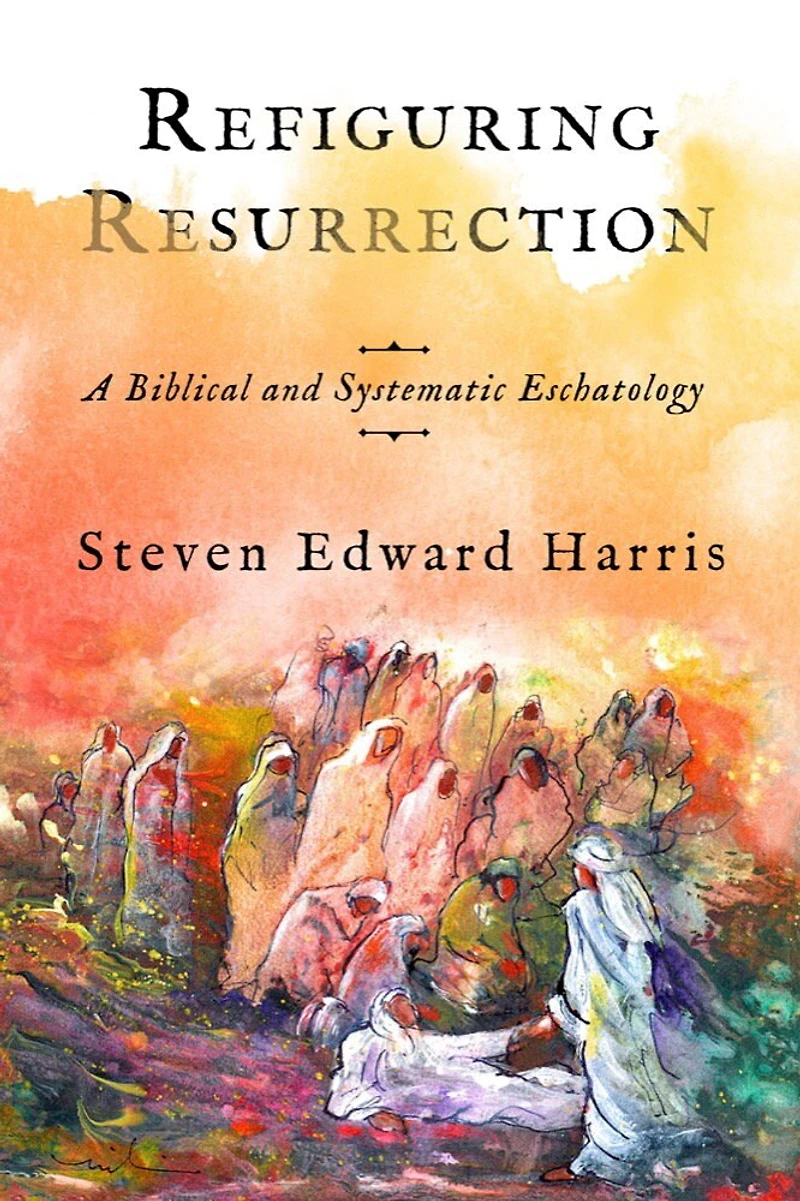
Refiguring Resurrection: A Biblical and Systematic Eschatology in Ottawa, ON
Current price: $87.95

Refiguring Resurrection: A Biblical and Systematic Eschatology in Ottawa, ON
Current price: $87.95
Loading Inventory...
Size: Hardcover
*Product information may vary - to confirm product availability, pricing, shipping and return information please contact Coles
In Scripture, a number of individuals are raised from the dead prior to Jesus Christ. Whereas these were once interpreted as prefigurations of that climactic event, a series of challenges in the modern period led to the dismissal of the accounts of the widow's son at Nain, Lazarus, and others as irrelevant to a theology of resurrection. For "they would die again," as scholars as diverse as Karl Barth and N. T. Wright have argued. With Refiguring Resurrection , Steven Edward Harris contests this position by drawing on recent literary and theological interpretation of the Bible, as well as the deep wells of premodern exegesis and theology, to demonstrate how Scripture itself views these events as dialectical signs, shadows, or figures of Christ?s resurrection--and humanity's own future. Furthermore,Harrisdevelops a comprehensive eschatology in which the figural character of these earlier resurrections is taken into account while considering the four last things of Christ?s return, final resurrection, last judgment, and new creation. An eschatology thus emerges that sets a new direction for theology in several areas of recent discussion: inaugurated eschatology, the figural reading of Scripture, puzzling cases regarding resurrection in analytic theology, whether believers can properly be said to "go to heaven" when they die, and the debate between narratival and apocalyptic interpretations of the apostle Paul. Refiguring Resurrection offers a robust, canonically holistic "figural eschatology" that has not been defended in three centuries. By being more faithful to Christian Scripture, this is an approach more theologically promising than any offered in the modern era, including the twentieth century "rediscovery of eschatology."
In Scripture, a number of individuals are raised from the dead prior to Jesus Christ. Whereas these were once interpreted as prefigurations of that climactic event, a series of challenges in the modern period led to the dismissal of the accounts of the widow's son at Nain, Lazarus, and others as irrelevant to a theology of resurrection. For "they would die again," as scholars as diverse as Karl Barth and N. T. Wright have argued. With Refiguring Resurrection , Steven Edward Harris contests this position by drawing on recent literary and theological interpretation of the Bible, as well as the deep wells of premodern exegesis and theology, to demonstrate how Scripture itself views these events as dialectical signs, shadows, or figures of Christ?s resurrection--and humanity's own future. Furthermore,Harrisdevelops a comprehensive eschatology in which the figural character of these earlier resurrections is taken into account while considering the four last things of Christ?s return, final resurrection, last judgment, and new creation. An eschatology thus emerges that sets a new direction for theology in several areas of recent discussion: inaugurated eschatology, the figural reading of Scripture, puzzling cases regarding resurrection in analytic theology, whether believers can properly be said to "go to heaven" when they die, and the debate between narratival and apocalyptic interpretations of the apostle Paul. Refiguring Resurrection offers a robust, canonically holistic "figural eschatology" that has not been defended in three centuries. By being more faithful to Christian Scripture, this is an approach more theologically promising than any offered in the modern era, including the twentieth century "rediscovery of eschatology."
You May Also Like







More About Coles at Bayshore Shopping Centre
Coles is renowned for its outstanding customer service and great selection of books. Along with the vast array of magazines, stationary, audio-books, children's literature, fiction, non-fiction and reference books, you can find accessories to make your reading experience more pleasurable. We can recommend the very best in reading today. We will help you search our titles for exactly what you need, and if we do not have it in stock, we will order it for you.
100 Bayshore Dr, Nepean, ON K2B 8C1, Canada
Find Coles at Bayshore Shopping Centre in Ottawa, ON
Visit Coles at Bayshore Shopping Centre in Ottawa, ON