

Give the Gift of Choice!
Too many options? Treat your friends and family to their favourite stores with a Bayshore Shopping Centre gift card, redeemable at participating retailers throughout the centre. Click below to purchase yours today!Purchase HereHome
Reflections on 21st Century Human Habitats India: Felicitation Volume Honour of Professor M. H. Qureshi
Coles
Loading Inventory...
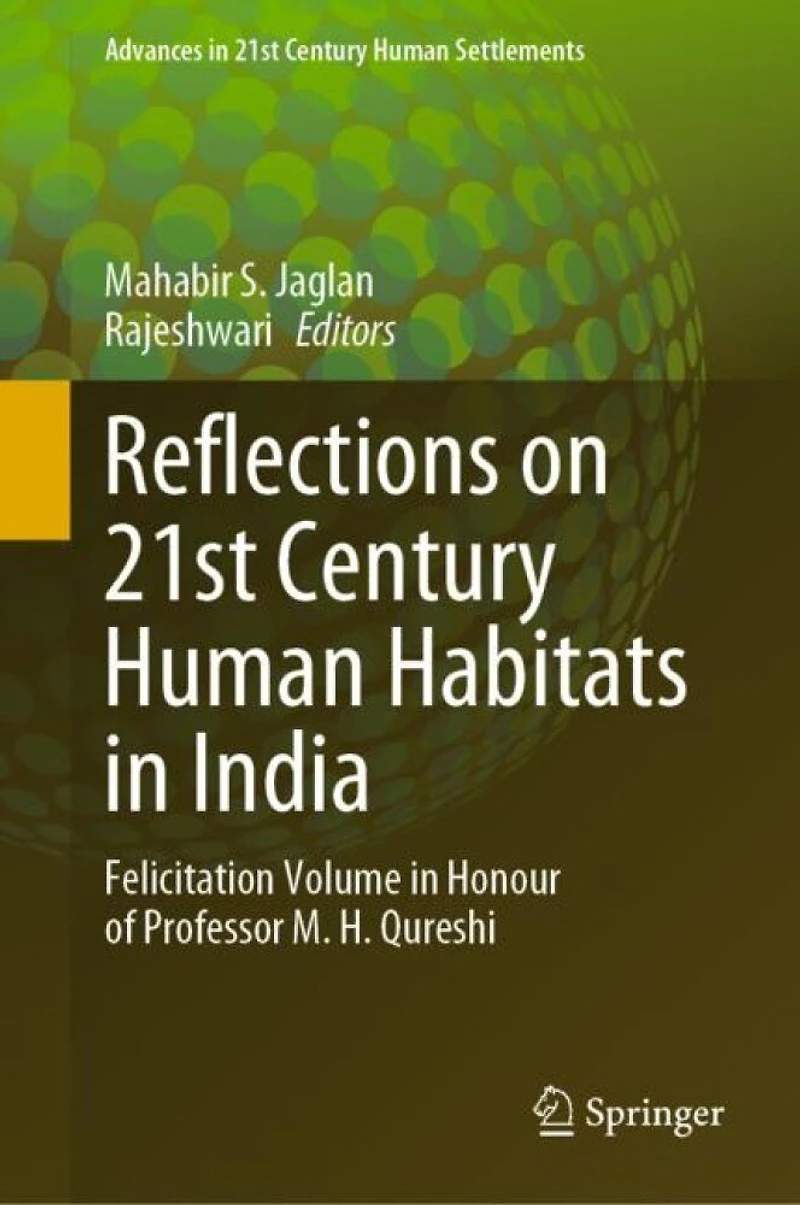
Reflections on 21st Century Human Habitats India: Felicitation Volume Honour of Professor M. H. Qureshi in Ottawa, ON
Current price: $233.95

Reflections on 21st Century Human Habitats India: Felicitation Volume Honour of Professor M. H. Qureshi in Ottawa, ON
Current price: $233.95
Loading Inventory...
Size: Hardcover
*Product information may vary - to confirm product availability, pricing, shipping and return information please contact Coles
This book highlights various dimensions of human habitats in 21st Century India. The human habitats in the country are marked by perceptible inequality in social and economic spheres. This is occurring in tandem with rapid socio-economic transformation across both rural and urban landscapes. There is a plurality of transformative characteristics in terms of social and economic classes, gender and space. Inequality in access to natural resources such as land and water is still a big factor in socio-economic differentiation in rural habitats. This constructs a pedestal of unequal opportunities and access to basic human necessities such as healthcare, education, potable water and sanitation. Human habitats experiencing socio-spatial segregation and exclusion based on caste, community and gender are detrimental in formation of a civil society and its sustainability in long terms. The ideal situation for this would be formation of an inclusive society that celebrates age old socio-culturaldiversities, reduces inequalities and reveres composite culture.
This book highlights various dimensions of human habitats in 21st Century India. The human habitats in the country are marked by perceptible inequality in social and economic spheres. This is occurring in tandem with rapid socio-economic transformation across both rural and urban landscapes. There is a plurality of transformative characteristics in terms of social and economic classes, gender and space. Inequality in access to natural resources such as land and water is still a big factor in socio-economic differentiation in rural habitats. This constructs a pedestal of unequal opportunities and access to basic human necessities such as healthcare, education, potable water and sanitation. Human habitats experiencing socio-spatial segregation and exclusion based on caste, community and gender are detrimental in formation of a civil society and its sustainability in long terms. The ideal situation for this would be formation of an inclusive society that celebrates age old socio-culturaldiversities, reduces inequalities and reveres composite culture.
You May Also Like

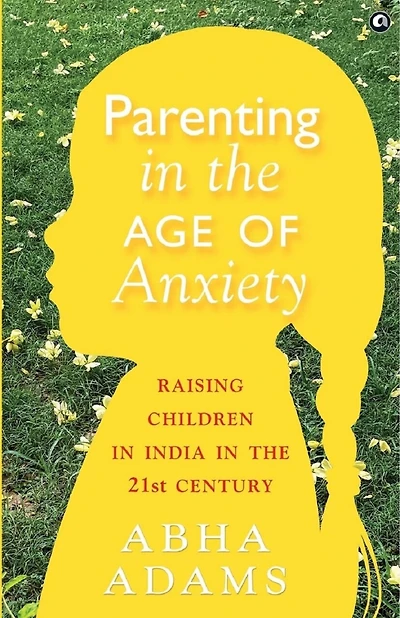
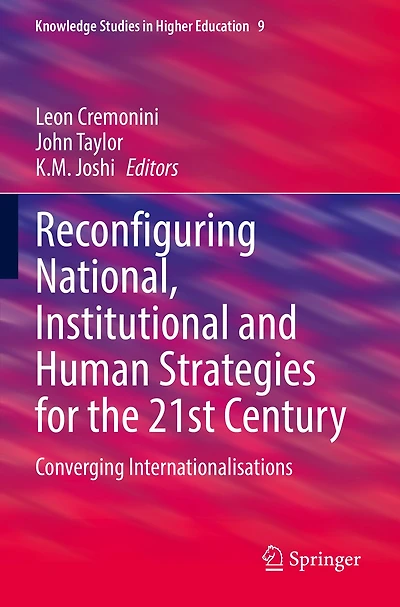










More About Coles at Bayshore Shopping Centre
Coles is renowned for its outstanding customer service and great selection of books. Along with the vast array of magazines, stationary, audio-books, children's literature, fiction, non-fiction and reference books, you can find accessories to make your reading experience more pleasurable. We can recommend the very best in reading today. We will help you search our titles for exactly what you need, and if we do not have it in stock, we will order it for you.
100 Bayshore Dr, Nepean, ON K2B 8C1, Canada
Find Coles at Bayshore Shopping Centre in Ottawa, ON
Visit Coles at Bayshore Shopping Centre in Ottawa, ON