

Give the Gift of Choice!
Too many options? Treat your friends and family to their favourite stores with a Bayshore Shopping Centre gift card, redeemable at participating retailers throughout the centre. Click below to purchase yours today!Purchase HereHome
Reinventing craft in China: The contemporary politics of Yixing zisha ceramics
Coles
Loading Inventory...
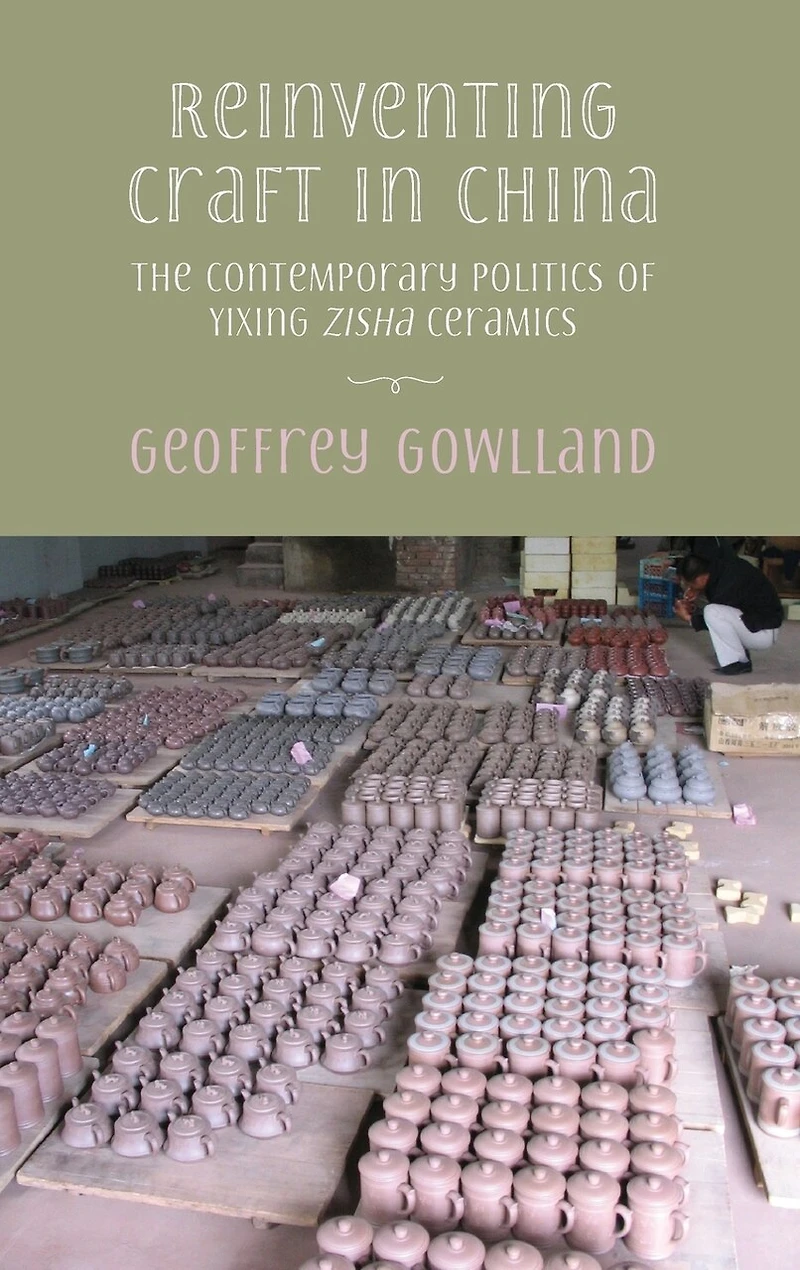
Reinventing craft in China: The contemporary politics of Yixing zisha ceramics in Ottawa, ON
Current price: $100.00

Reinventing craft in China: The contemporary politics of Yixing zisha ceramics in Ottawa, ON
Current price: $100.00
Loading Inventory...
Size: Hardcover
*Product information may vary - to confirm product availability, pricing, shipping and return information please contact Coles
How does a craft reinvent itself as 'traditional' following cultural, social and political upheaval? In the township of Dingshu, Jiangsu province of China, artisans produce zisha or Yixing teapots that have been highly valued for centuries. Yet in twentieth-century socialist imagination, handicrafts were an anomaly in a modern society. The Maoist government had clear ambitions to transform the country by industrialization, replacing craft with mechanized methods of production. Four decades later, some of the same artisans identified as 'backward' handicraft producers in the 1950s and made to join workers' cooperatives, were now encouraged to set up private workshops, teach their children and become entrepreneurs. By the 2000s ceramic production in Dingshu is booming and artisans are buying their first cars, often luxury brands. However, many involvements of the Chinese state are apparent, from the control of raw materials, to the inscription of the craft on China's national list of intangible cultural heritage. In this perceptive study, Gowlland argues that this re-evaluation of heritage is no less inherently political than the collectivism of the communist regime. Reflecting that the craft objects, although produced in very different contexts, have remained virtually the same over time and that it is the artisans' subjectivities that have been transformed, he explores the construction of mastery and its
relationship to tradition and authenticity, bringing to the fore the social dimension of mastery that goes beyond the skill of simply making things, to changing the way these things are perceived, made and talked about by others.
How does a craft reinvent itself as 'traditional' following cultural, social and political upheaval? In the township of Dingshu, Jiangsu province of China, artisans produce zisha or Yixing teapots that have been highly valued for centuries. Yet in twentieth-century socialist imagination, handicrafts were an anomaly in a modern society. The Maoist government had clear ambitions to transform the country by industrialization, replacing craft with mechanized methods of production. Four decades later, some of the same artisans identified as 'backward' handicraft producers in the 1950s and made to join workers' cooperatives, were now encouraged to set up private workshops, teach their children and become entrepreneurs. By the 2000s ceramic production in Dingshu is booming and artisans are buying their first cars, often luxury brands. However, many involvements of the Chinese state are apparent, from the control of raw materials, to the inscription of the craft on China's national list of intangible cultural heritage. In this perceptive study, Gowlland argues that this re-evaluation of heritage is no less inherently political than the collectivism of the communist regime. Reflecting that the craft objects, although produced in very different contexts, have remained virtually the same over time and that it is the artisans' subjectivities that have been transformed, he explores the construction of mastery and its
relationship to tradition and authenticity, bringing to the fore the social dimension of mastery that goes beyond the skill of simply making things, to changing the way these things are perceived, made and talked about by others.
You May Also Like









More About Coles at Bayshore Shopping Centre
Coles is renowned for its outstanding customer service and great selection of books. Along with the vast array of magazines, stationary, audio-books, children's literature, fiction, non-fiction and reference books, you can find accessories to make your reading experience more pleasurable. We can recommend the very best in reading today. We will help you search our titles for exactly what you need, and if we do not have it in stock, we will order it for you.
100 Bayshore Dr, Nepean, ON K2B 8C1, Canada
Find Coles at Bayshore Shopping Centre in Ottawa, ON
Visit Coles at Bayshore Shopping Centre in Ottawa, ON