

Give the Gift of Choice!
Too many options? Treat your friends and family to their favourite stores with a Bayshore Shopping Centre gift card, redeemable at participating retailers throughout the centre. Click below to purchase yours today!Purchase HereHome
Relics and War in the Eastern Roman Empire: Christian Charismatic Objects in Byzantine Military Contexts and Society
Coles
Loading Inventory...
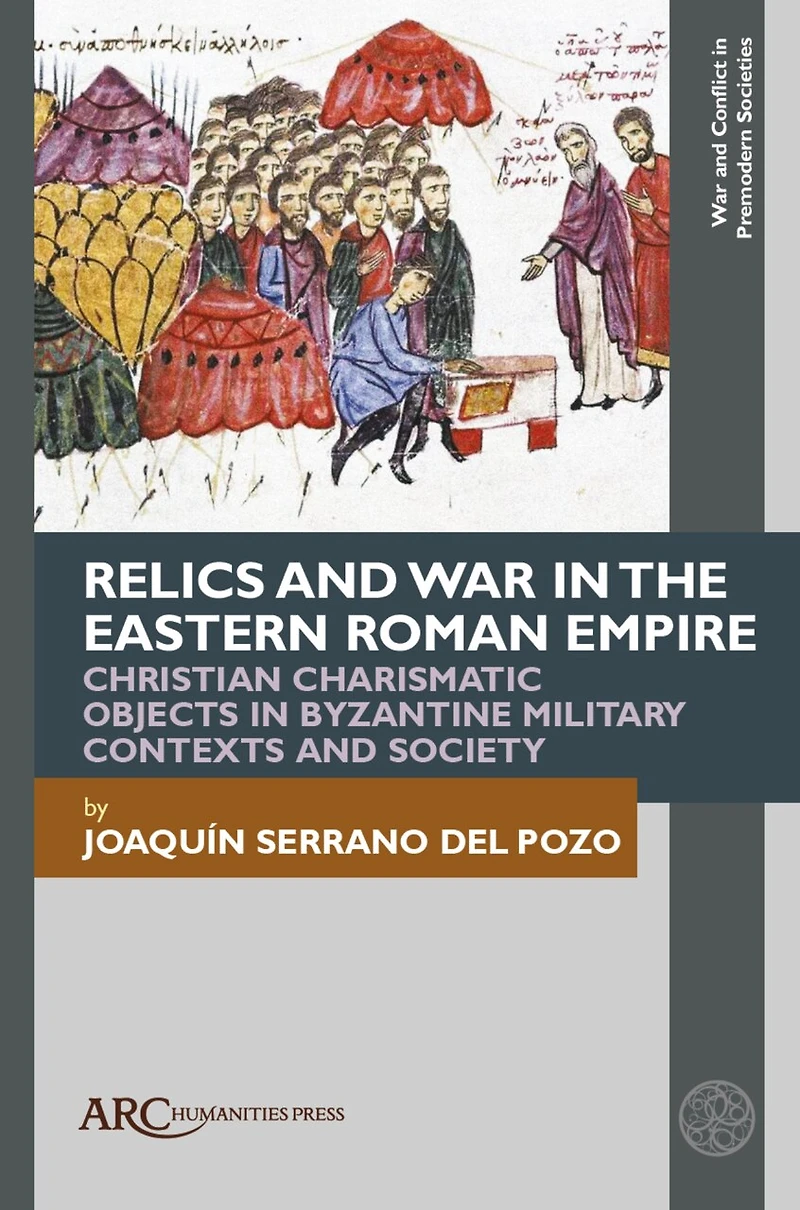
Relics and War in the Eastern Roman Empire: Christian Charismatic Objects in Byzantine Military Contexts and Society in Ottawa, ON
Current price: $214.95

Relics and War in the Eastern Roman Empire: Christian Charismatic Objects in Byzantine Military Contexts and Society in Ottawa, ON
Current price: $214.95
Loading Inventory...
Size: Hardcover
*Product information may vary - to confirm product availability, pricing, shipping and return information please contact Coles
This book examines the use of Christian relics as protective amulets, emblems, and talismans in war and military contexts in the Eastern Roman Empire (ca. 310–1204). For centuries, Christians have venerated the mortal remains of holy figures and objects sanctified by contact with them as relics and believed in their miraculous powers. This book explores how the belief in protective relics and associated cultural practices emerged in Late Antiquity and developed over the Middle Ages, with a focus on Constantinople and the Eastern Mediterranean. It proposes a chronology for the development of these beliefs and associated practices, reassesses the ritual and processional use of relics, and analyzes how the Byzantine imperial elite deployed relics to build social cohesion, authority, and legitimacy.
This book examines the use of Christian relics as protective amulets, emblems, and talismans in war and military contexts in the Eastern Roman Empire (ca. 310–1204). For centuries, Christians have venerated the mortal remains of holy figures and objects sanctified by contact with them as relics and believed in their miraculous powers. This book explores how the belief in protective relics and associated cultural practices emerged in Late Antiquity and developed over the Middle Ages, with a focus on Constantinople and the Eastern Mediterranean. It proposes a chronology for the development of these beliefs and associated practices, reassesses the ritual and processional use of relics, and analyzes how the Byzantine imperial elite deployed relics to build social cohesion, authority, and legitimacy.
You May Also Like









More About Coles at Bayshore Shopping Centre
Coles is renowned for its outstanding customer service and great selection of books. Along with the vast array of magazines, stationary, audio-books, children's literature, fiction, non-fiction and reference books, you can find accessories to make your reading experience more pleasurable. We can recommend the very best in reading today. We will help you search our titles for exactly what you need, and if we do not have it in stock, we will order it for you.
100 Bayshore Dr, Nepean, ON K2B 8C1, Canada
Find Coles at Bayshore Shopping Centre in Ottawa, ON
Visit Coles at Bayshore Shopping Centre in Ottawa, ON