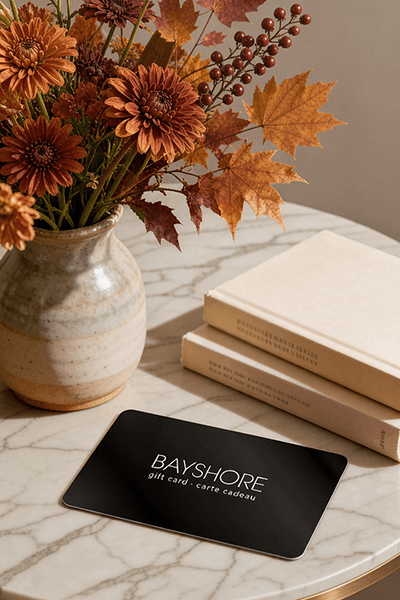
Too many options? Treat your friends and family to their favourite stores with a Bayshore Shopping Centre gift card, redeemable at participating retailers throughout the centre. Click below to purchase yours today!Purchase Here
Coles Richard Wagner in Paris: Translation, Identity, Modernity at Bayshore Shopping Centre in Ottawa, ON
*Product information may vary - to confirm product availability, pricing, shipping and return information please contact Coles
How did Wagner's experiences in Paris influence his works and social character? And how does his sometime desire for recognition by the French cultural establishment square with his German national identity and with the related idea of a universally valid art?
Friedrich Nietzsche more than once claimed that Wagner's only true home was in Paris. This book is the first major study to trace Wagner's relationship with Paris from his first sojourn there (1839-1842) to the Paris Tannhäuser (1861). How did Wagner's experiences in Paris influence his works and social character? How does his sometime desire for recognition by the French cultural establishment square with his German national identity and with the related idea of a universally valid art?
This book presents Wagner's perennial ambition of an international operatic success in the "capital city of the nineteenth century" and the paradoxical consequences of that ambition upon its failure. Through an examination of previously neglected source materials, the book engages with ideas in the so-called "Wagner debate" as an ongoing philosophical project that tries to come to terms with the composer's Germanness. The book is in three main parts arranged broadly in chronological sequence. The first considers Wagner's earliest years in Paris, focusing on his own French-language drafts of Das Liebesverbot and Der fliegende Holländer. The second part explores his stance towards Paris "at a distance" following his return to Saxony and subsequent political exile. Arriving at Wagner's most often discussed "Paris period" (1859-61), the third part interrogates the concert performances under the composer's direction at the Théâtre-Italien and revisionist aspects of their reception.
JEREMY COLEMAN is Lecturer in Music in the School of Performing Arts, Universityof Malta.
How did Wagner's experiences in Paris influence his works and social character? And how does his sometime desire for recognition by the French cultural establishment square with his German national identity and with the related idea of a universally valid art?
Friedrich Nietzsche more than once claimed that Wagner's only true home was in Paris. This book is the first major study to trace Wagner's relationship with Paris from his first sojourn there (1839-1842) to the Paris Tannhäuser (1861). How did Wagner's experiences in Paris influence his works and social character? How does his sometime desire for recognition by the French cultural establishment square with his German national identity and with the related idea of a universally valid art?
This book presents Wagner's perennial ambition of an international operatic success in the "capital city of the nineteenth century" and the paradoxical consequences of that ambition upon its failure. Through an examination of previously neglected source materials, the book engages with ideas in the so-called "Wagner debate" as an ongoing philosophical project that tries to come to terms with the composer's Germanness. The book is in three main parts arranged broadly in chronological sequence. The first considers Wagner's earliest years in Paris, focusing on his own French-language drafts of Das Liebesverbot and Der fliegende Holländer. The second part explores his stance towards Paris "at a distance" following his return to Saxony and subsequent political exile. Arriving at Wagner's most often discussed "Paris period" (1859-61), the third part interrogates the concert performances under the composer's direction at the Théâtre-Italien and revisionist aspects of their reception.
JEREMY COLEMAN is Lecturer in Music in the School of Performing Arts, Universityof Malta.
Coles is renowned for its outstanding customer service and great selection of books. Along with the vast array of magazines, stationary, audio-books, children's literature, fiction, non-fiction and reference books, you can find accessories to make your reading experience more pleasurable. We can recommend the very best in reading today. We will help you search our titles for exactly what you need, and if we do not have it in stock, we will order it for you.