

Give the Gift of Choice!
Too many options? Treat your friends and family to their favourite stores with a Bayshore Shopping Centre gift card, redeemable at participating retailers throughout the centre. Click below to purchase yours today!Purchase HereHome
Rights of Man (Aziloth Books): Being An Answer To Mr. Burke's Attack On The French Revolution
Coles
Loading Inventory...
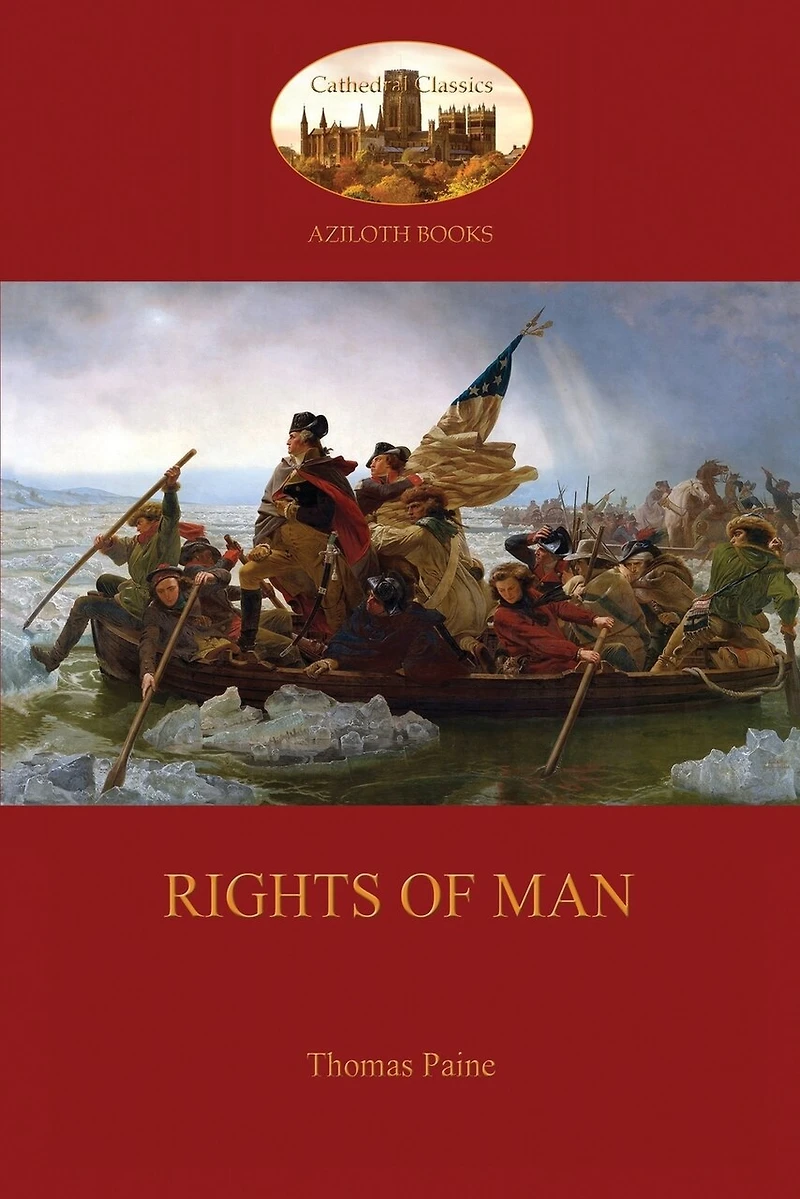
Rights of Man (Aziloth Books): Being An Answer To Mr. Burke's Attack On The French Revolution in Ottawa, ON
Current price: $16.90

Rights of Man (Aziloth Books): Being An Answer To Mr. Burke's Attack On The French Revolution in Ottawa, ON
Current price: $16.90
Loading Inventory...
Size: Paperback
*Product information may vary - to confirm product availability, pricing, shipping and return information please contact Coles
Thomas Paine was an English reformer who emigrated to the American Colonies and in 1776 published 'Common Sense', a hugely influential tome that swayed many colonists to reject British rule. During the French Revolution of 1789, Paine became an honorary French citizen, but was later imprisoned, narrowly escaping the guillotine when the symbol of execution was inadvertently placed on the inside, rather than the outside, of his cell door. Paine's 'Rights of Man was' written as a rebuttal to the anti-republican 'Reflections on the Revolution in France' by Edmund Burke. Paine carefully deconstructs the absurdities of monarchy and aristocratic privilege, contrasting them with the logical and equitable tenets of republicanism. Presaging modern-day advocates of 'small government' Paine holds that effective society predates big bureaucracies, that government is legitimate only with popular consent, and that "a great part of... government is mere imposition". Considered shocking and seditious at the time, Paine's beliefs have since become widely accepted throughout western democratic societies.
Thomas Paine was an English reformer who emigrated to the American Colonies and in 1776 published 'Common Sense', a hugely influential tome that swayed many colonists to reject British rule. During the French Revolution of 1789, Paine became an honorary French citizen, but was later imprisoned, narrowly escaping the guillotine when the symbol of execution was inadvertently placed on the inside, rather than the outside, of his cell door. Paine's 'Rights of Man was' written as a rebuttal to the anti-republican 'Reflections on the Revolution in France' by Edmund Burke. Paine carefully deconstructs the absurdities of monarchy and aristocratic privilege, contrasting them with the logical and equitable tenets of republicanism. Presaging modern-day advocates of 'small government' Paine holds that effective society predates big bureaucracies, that government is legitimate only with popular consent, and that "a great part of... government is mere imposition". Considered shocking and seditious at the time, Paine's beliefs have since become widely accepted throughout western democratic societies.
You May Also Like











More About Coles at Bayshore Shopping Centre
Coles is renowned for its outstanding customer service and great selection of books. Along with the vast array of magazines, stationary, audio-books, children's literature, fiction, non-fiction and reference books, you can find accessories to make your reading experience more pleasurable. We can recommend the very best in reading today. We will help you search our titles for exactly what you need, and if we do not have it in stock, we will order it for you.
100 Bayshore Dr, Nepean, ON K2B 8C1, Canada
Find Coles at Bayshore Shopping Centre in Ottawa, ON
Visit Coles at Bayshore Shopping Centre in Ottawa, ON