

Give the Gift of Choice!
Too many options? Treat your friends and family to their favourite stores with a Bayshore Shopping Centre gift card, redeemable at participating retailers throughout the centre. Click below to purchase yours today!Purchase HereHome
Risk and Uncertainty a Post-Truth Society
Coles
Loading Inventory...
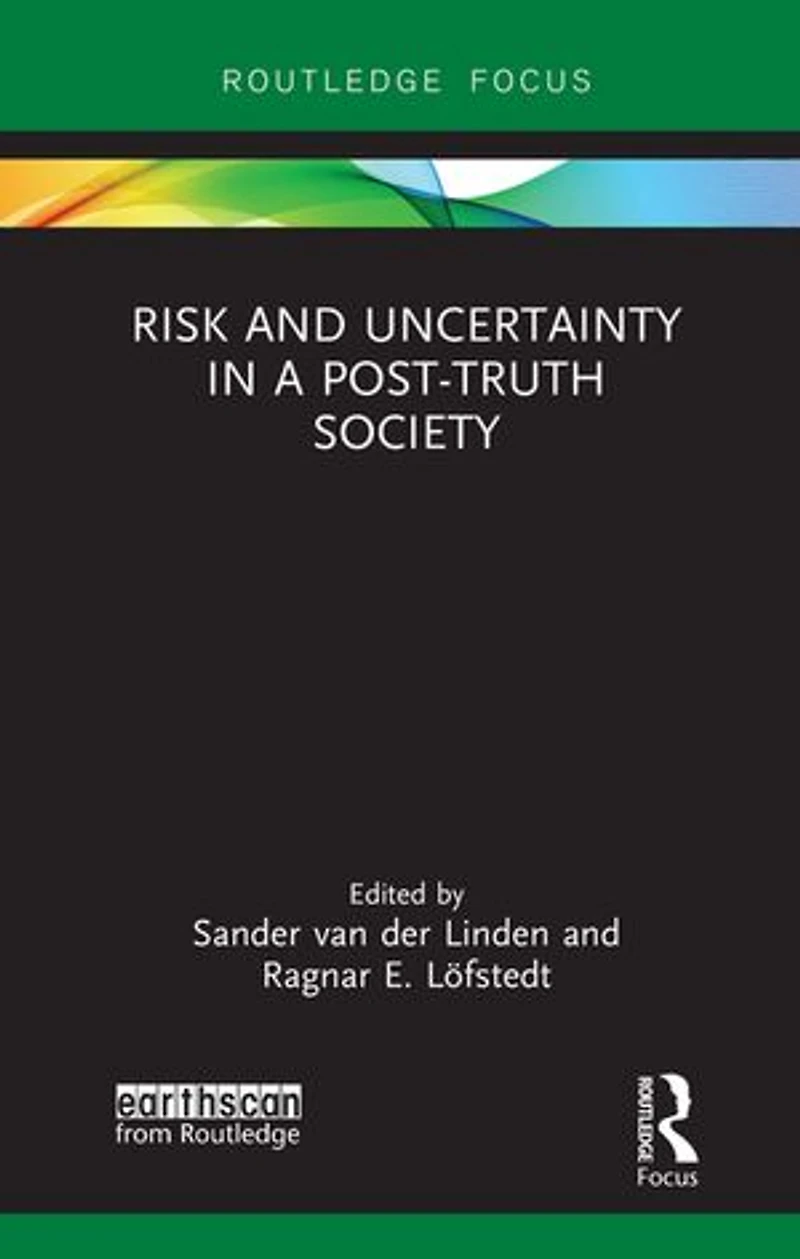
Risk and Uncertainty a Post-Truth Society in Ottawa, ON
Current price: $44.77

Risk and Uncertainty a Post-Truth Society in Ottawa, ON
Current price: $44.77
Loading Inventory...
Size: Kobo eBook
*Product information may vary - to confirm product availability, pricing, shipping and return information please contact Coles
This edited volume looks at whether it is possible to be more transparent about uncertainty in scientific evidence without undermining public understanding and trust.
With contributions from leading experts in the field, this book explores the communication of risk and decision-making in an increasingly post-truth world. Drawing on case studies from climate change to genetic testing, the authors argue for better quality evidence synthesis to cut through the noise and highlight the need for more structured public dialogue. For uncertainty in scientific evidence to be communicated effectively, they conclude that trustworthiness is vital: the data and methods underlying statistics must be transparent, valid, and sound, and the numbers need to demonstrate practical utility and add social value to people's lives.
Presenting a conceptual framework to help navigate the reader through the key social and scientific challenges of a post-truth era, this book will be of great relevance to students, scholars, and policy makers with an interest in risk analysis and communication.
This edited volume looks at whether it is possible to be more transparent about uncertainty in scientific evidence without undermining public understanding and trust.
With contributions from leading experts in the field, this book explores the communication of risk and decision-making in an increasingly post-truth world. Drawing on case studies from climate change to genetic testing, the authors argue for better quality evidence synthesis to cut through the noise and highlight the need for more structured public dialogue. For uncertainty in scientific evidence to be communicated effectively, they conclude that trustworthiness is vital: the data and methods underlying statistics must be transparent, valid, and sound, and the numbers need to demonstrate practical utility and add social value to people's lives.
Presenting a conceptual framework to help navigate the reader through the key social and scientific challenges of a post-truth era, this book will be of great relevance to students, scholars, and policy makers with an interest in risk analysis and communication.
You May Also Like







More About Coles at Bayshore Shopping Centre
Coles is renowned for its outstanding customer service and great selection of books. Along with the vast array of magazines, stationary, audio-books, children's literature, fiction, non-fiction and reference books, you can find accessories to make your reading experience more pleasurable. We can recommend the very best in reading today. We will help you search our titles for exactly what you need, and if we do not have it in stock, we will order it for you.
100 Bayshore Dr, Nepean, ON K2B 8C1, Canada
Find Coles at Bayshore Shopping Centre in Ottawa, ON
Visit Coles at Bayshore Shopping Centre in Ottawa, ON