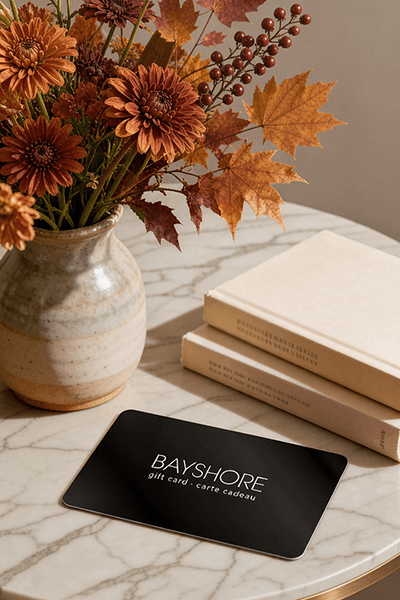
Too many options? Treat your friends and family to their favourite stores with a Bayshore Shopping Centre gift card, redeemable at participating retailers throughout the centre. Click below to purchase yours today!Purchase Here
Coles Ruin Ecology: An Exercise Environmental Imagination at Bayshore Shopping Centre in Ottawa, ON
*Product information may vary - to confirm product availability, pricing, shipping and return information please contact Coles
This Element discusses the presence of ruins in contemporary environmental imagination. Contemporary ruins, much more than those that served as constituents of Romantic and Gothic aesthetics, simultaneously express a fascination with and a dread of the non-human agencies at play in the world, while also countering the nostalgic dimension of traditional representations of ruins. The contemporary success of ruins can be connected to the sense of planetary precarity induced by anthropogenic climate change, and to the widespread presence of eco-anxiety in the public conscience. Moreover, at the centre of ruins' aesthetic power is the interaction of human and non-human forces, and in the process of ruination, buildings and monuments find new meaning thanks to the intervention of external agents that human civilization has long attempted to tame or eliminate and that make a disturbing return as soon as anthropic activity ceases.
This Element discusses the presence of ruins in contemporary environmental imagination. Contemporary ruins, much more than those that served as constituents of Romantic and Gothic aesthetics, simultaneously express a fascination with and a dread of the non-human agencies at play in the world, while also countering the nostalgic dimension of traditional representations of ruins. The contemporary success of ruins can be connected to the sense of planetary precarity induced by anthropogenic climate change, and to the widespread presence of eco-anxiety in the public conscience. Moreover, at the centre of ruins' aesthetic power is the interaction of human and non-human forces, and in the process of ruination, buildings and monuments find new meaning thanks to the intervention of external agents that human civilization has long attempted to tame or eliminate and that make a disturbing return as soon as anthropic activity ceases.
Coles is renowned for its outstanding customer service and great selection of books. Along with the vast array of magazines, stationary, audio-books, children's literature, fiction, non-fiction and reference books, you can find accessories to make your reading experience more pleasurable. We can recommend the very best in reading today. We will help you search our titles for exactly what you need, and if we do not have it in stock, we will order it for you.