

Give the Gift of Choice!
Too many options? Treat your friends and family to their favourite stores with a Bayshore Shopping Centre gift card, redeemable at participating retailers throughout the centre. Click below to purchase yours today!Purchase HereHome
Rural Areas Between Regional Needs and Global Challenges: Transformation Space
Coles
Loading Inventory...
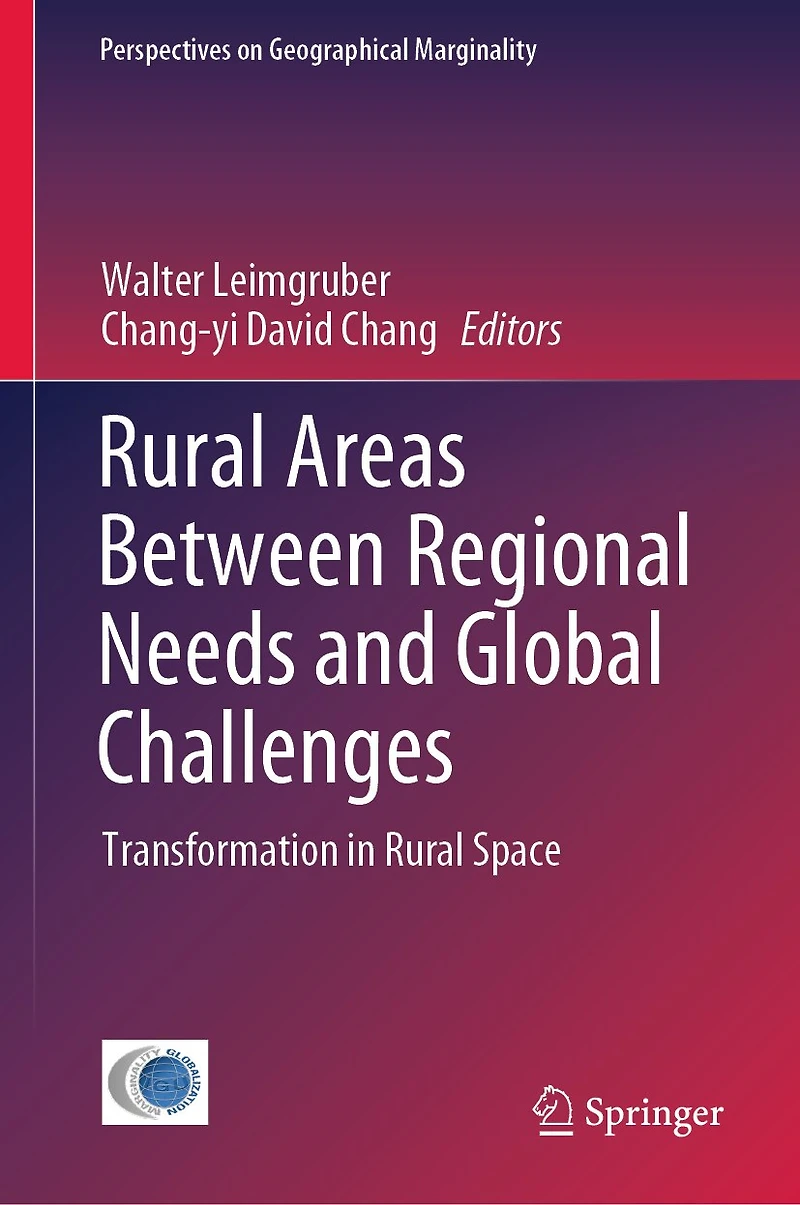
Rural Areas Between Regional Needs and Global Challenges: Transformation Space in Ottawa, ON
Current price: $160.95

Rural Areas Between Regional Needs and Global Challenges: Transformation Space in Ottawa, ON
Current price: $160.95
Loading Inventory...
Size: Hardcover
*Product information may vary - to confirm product availability, pricing, shipping and return information please contact Coles
This book provides an up-to-date account of the many processes shaping and transforming rural space in various parts of the world. The various case studies focus on the multi-functionality of the rural world and the driving forces behind it. The book demonstrates that rural areas are no longer simply characterized by an agricultural economy, and instead accommodate multiple complementary activities. It also touches upon two major changes that have taken place. The first is the process of rurbanization, which has led to the clear distinction between town and countryside becoming blurred: urban traits have penetrated rural areas, and rural traits have invaded towns. The second change is that rural areas are increasingly seen as multi-functional, providers not only of food and other natural resources but also locations for the generation of renewable energy (wind farms, solar farms, biogas) and regions for the preservation of biodiversity. These transformations have resulted in a new understanding and self-image of rural areas and their populations.
This book provides an up-to-date account of the many processes shaping and transforming rural space in various parts of the world. The various case studies focus on the multi-functionality of the rural world and the driving forces behind it. The book demonstrates that rural areas are no longer simply characterized by an agricultural economy, and instead accommodate multiple complementary activities. It also touches upon two major changes that have taken place. The first is the process of rurbanization, which has led to the clear distinction between town and countryside becoming blurred: urban traits have penetrated rural areas, and rural traits have invaded towns. The second change is that rural areas are increasingly seen as multi-functional, providers not only of food and other natural resources but also locations for the generation of renewable energy (wind farms, solar farms, biogas) and regions for the preservation of biodiversity. These transformations have resulted in a new understanding and self-image of rural areas and their populations.
You May Also Like

















More About Coles at Bayshore Shopping Centre
Coles is renowned for its outstanding customer service and great selection of books. Along with the vast array of magazines, stationary, audio-books, children's literature, fiction, non-fiction and reference books, you can find accessories to make your reading experience more pleasurable. We can recommend the very best in reading today. We will help you search our titles for exactly what you need, and if we do not have it in stock, we will order it for you.
100 Bayshore Dr, Nepean, ON K2B 8C1, Canada
Find Coles at Bayshore Shopping Centre in Ottawa, ON
Visit Coles at Bayshore Shopping Centre in Ottawa, ON