

Give the Gift of Choice!
Too many options? Treat your friends and family to their favourite stores with a Bayshore Shopping Centre gift card, redeemable at participating retailers throughout the centre. Click below to purchase yours today!Purchase HereHome
Salvation Henri de Lubac: Divine Grace, Human Nature, and the Mystery of Cross
Coles
Loading Inventory...
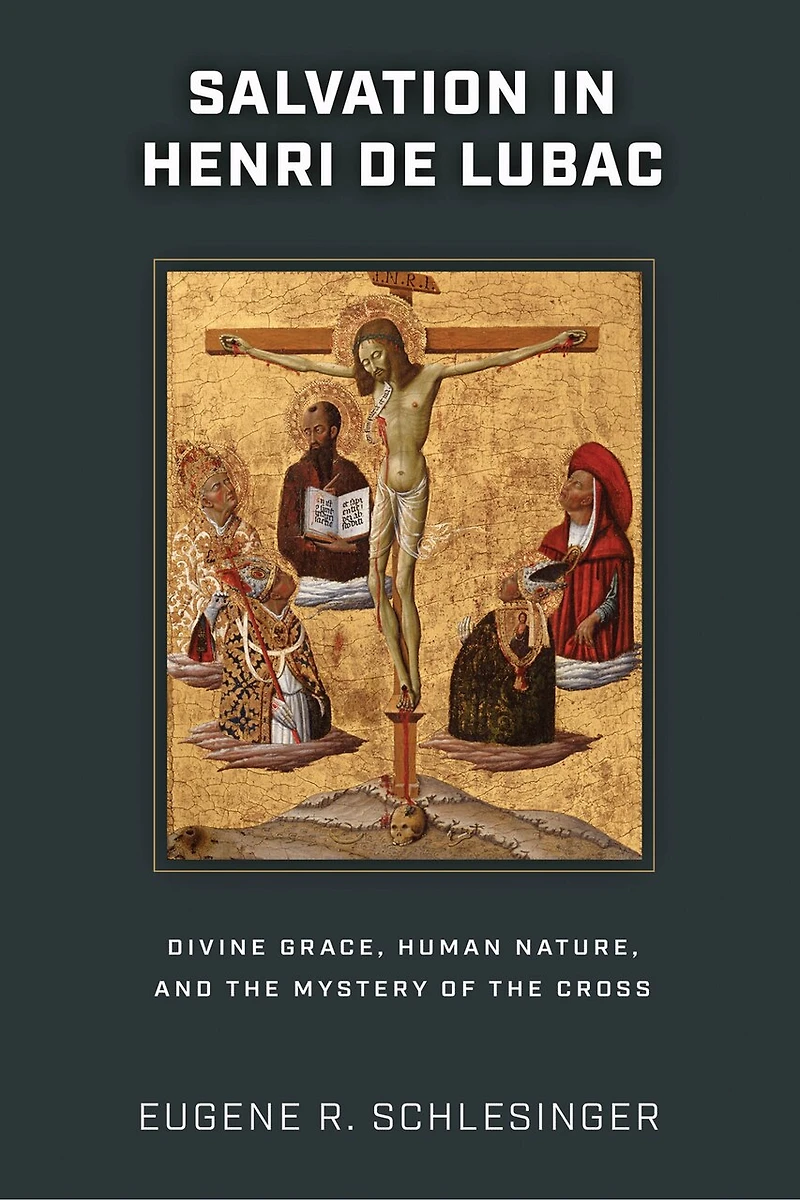
Salvation Henri de Lubac: Divine Grace, Human Nature, and the Mystery of Cross in Ottawa, ON
Current price: $135.95

Salvation Henri de Lubac: Divine Grace, Human Nature, and the Mystery of Cross in Ottawa, ON
Current price: $135.95
Loading Inventory...
Size: Hardcover
*Product information may vary - to confirm product availability, pricing, shipping and return information please contact Coles
This study provides a compelling account of the major works of Henri de Lubac, one of the most influential theologians of the twentieth century, and argues that soteriology provides a lens through which their inner unity can be discerned. The writings of Henri de Lubac have left an indelible mark on Catholic theology, preparing the ground for, giving shape to, and explaining the seminal event of twentieth-century Catholicism: the Second Vatican Council. Like the Council itself, though, de Lubac remains a contested figure, difficult to classify. Salvation in Henri de Lubac presents an overview of de Lubac’s major works in light of his own statements that a mystical vision animated them all. De Lubac’s mystical theology hinges upon a vision of salvation, understood as humanity’s incorporation into the triune God through the cross and resurrection of the incarnate Christ. From his writings on the supernatural and theological epistemology, to his treatments of the spiritual interpretation of Scripture, ecclesiology, sacramental theology, and the theology of history, the mystery of the cross looms large, gathering these disparate topics into one focal center while also allowing their distinct contours to remain. By attending to de Lubac’s work in this light, Eugene R. Schlesinger brings important themes from French-language scholarship into the English-speaking conversation and clarifies the nature of de Lubac’s ressourcement . Schlesinger claims that unless we understand de Lubac and his work in light of his own motivations and emphases, we risk distorting his contribution, reducing him to a proxy in the struggle for post-conciliar Catholic self-definition.
This study provides a compelling account of the major works of Henri de Lubac, one of the most influential theologians of the twentieth century, and argues that soteriology provides a lens through which their inner unity can be discerned. The writings of Henri de Lubac have left an indelible mark on Catholic theology, preparing the ground for, giving shape to, and explaining the seminal event of twentieth-century Catholicism: the Second Vatican Council. Like the Council itself, though, de Lubac remains a contested figure, difficult to classify. Salvation in Henri de Lubac presents an overview of de Lubac’s major works in light of his own statements that a mystical vision animated them all. De Lubac’s mystical theology hinges upon a vision of salvation, understood as humanity’s incorporation into the triune God through the cross and resurrection of the incarnate Christ. From his writings on the supernatural and theological epistemology, to his treatments of the spiritual interpretation of Scripture, ecclesiology, sacramental theology, and the theology of history, the mystery of the cross looms large, gathering these disparate topics into one focal center while also allowing their distinct contours to remain. By attending to de Lubac’s work in this light, Eugene R. Schlesinger brings important themes from French-language scholarship into the English-speaking conversation and clarifies the nature of de Lubac’s ressourcement . Schlesinger claims that unless we understand de Lubac and his work in light of his own motivations and emphases, we risk distorting his contribution, reducing him to a proxy in the struggle for post-conciliar Catholic self-definition.
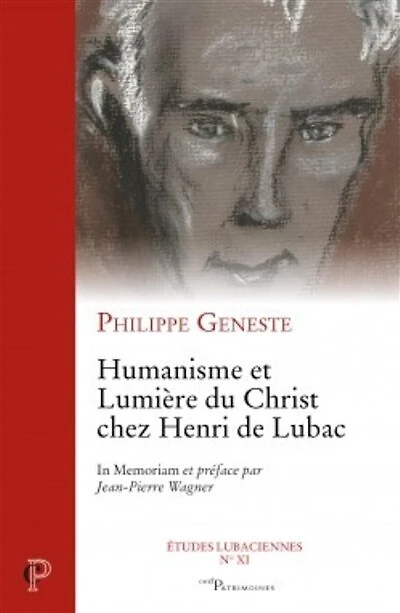










More About Coles at Bayshore Shopping Centre
Coles is renowned for its outstanding customer service and great selection of books. Along with the vast array of magazines, stationary, audio-books, children's literature, fiction, non-fiction and reference books, you can find accessories to make your reading experience more pleasurable. We can recommend the very best in reading today. We will help you search our titles for exactly what you need, and if we do not have it in stock, we will order it for you.
100 Bayshore Dr, Nepean, ON K2B 8C1, Canada
Find Coles at Bayshore Shopping Centre in Ottawa, ON
Visit Coles at Bayshore Shopping Centre in Ottawa, ON