

Give the Gift of Choice!
Too many options? Treat your friends and family to their favourite stores with a Bayshore Shopping Centre gift card, redeemable at participating retailers throughout the centre. Click below to purchase yours today!Purchase HereHome
Sanctuary Lost: Portugal's Air War for Guinea 1961-1974: Volume 1 - Outbreak and Escalation (1961-1966)
Coles
Loading Inventory...
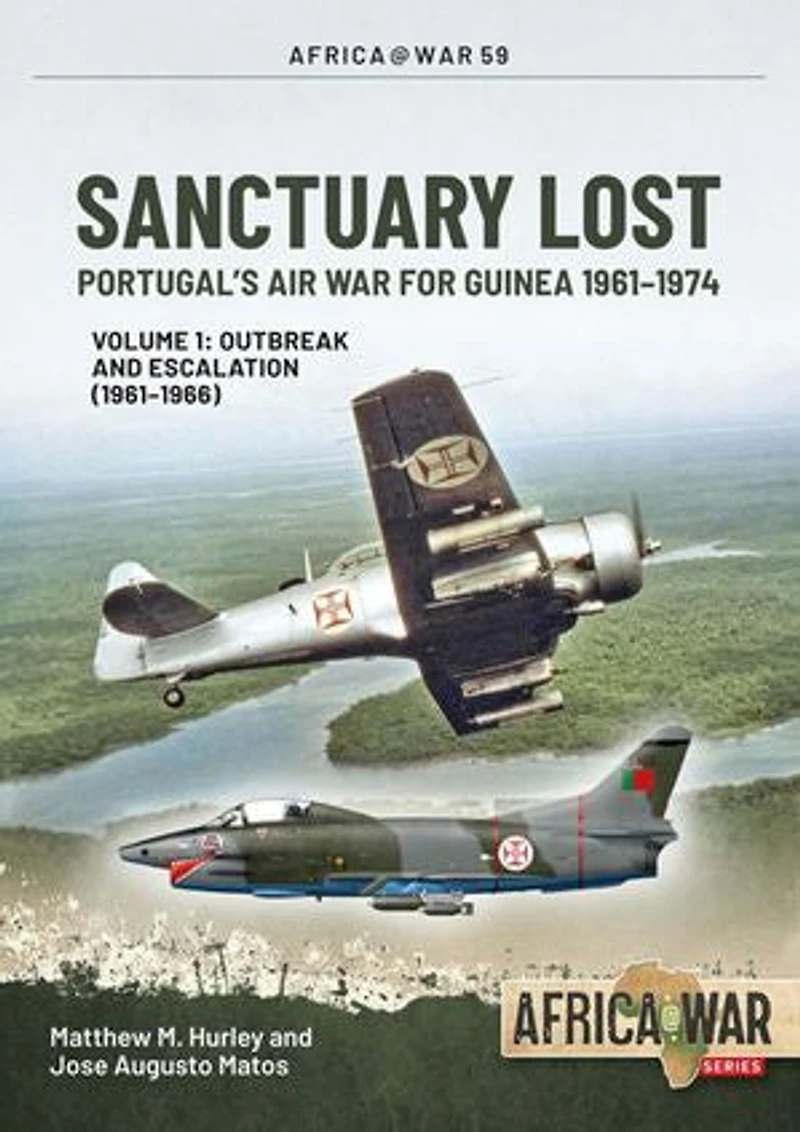
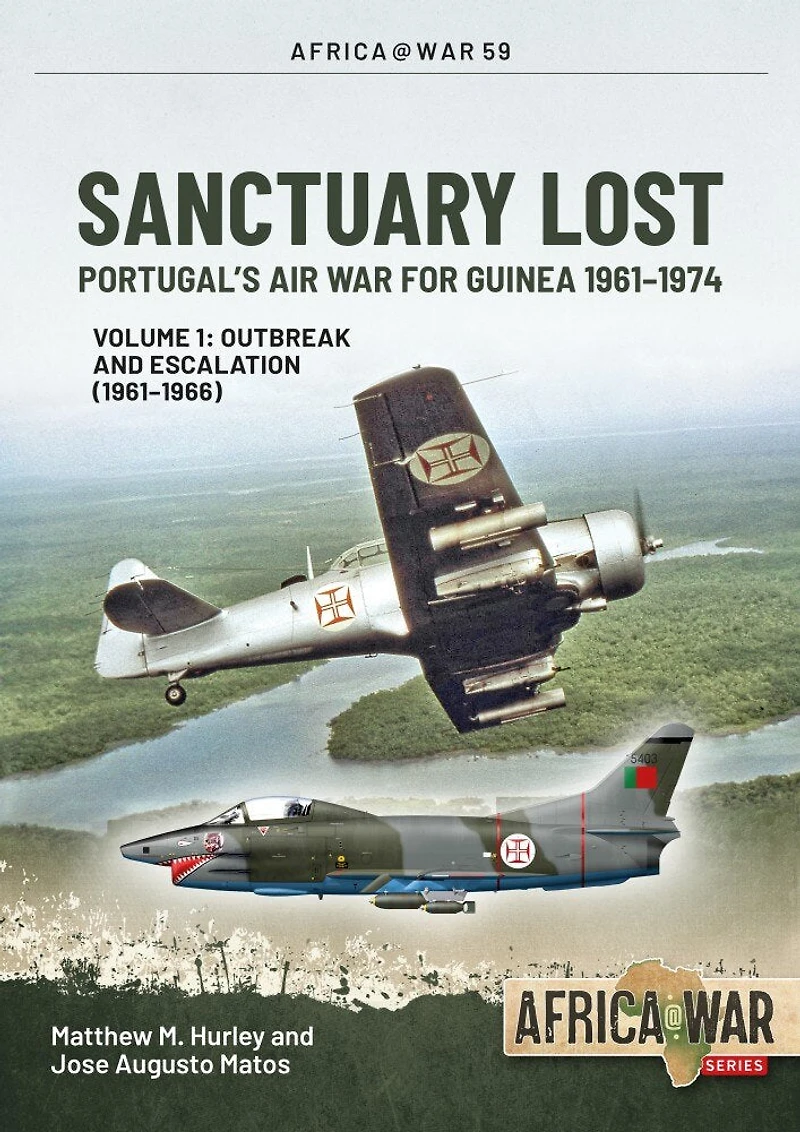
Sanctuary Lost: Portugal's Air War for Guinea 1961-1974: Volume 1 - Outbreak and Escalation (1961-1966) in Ottawa, ON
Current price: $15.19
Original price: $18.99

Sanctuary Lost: Portugal's Air War for Guinea 1961-1974: Volume 1 - Outbreak and Escalation (1961-1966) in Ottawa, ON
Current price: $15.19
Original price: $18.99
Loading Inventory...
Size: Kobo eBook
*Product information may vary - to confirm product availability, pricing, shipping and return information please contact Coles
"This is an informative and motivating book covering another little known Cold War/African Colonial War campaign that is a welcome addition to modelers and historian bookshelves." - IPMS/USA From 1963 to 1974, Portugal and its nationalist enemies fought an increasingly intense war for the independence of "Portuguese" Guinea, then a colony but now the Republic of Guinea-Bissau. For most of the conflict, Portugal enjoyed virtually unchallenged air supremacy, and increasingly based its strategy on this advantage. The Portuguese Air Force (Força Aérea Portuguesa, abbreviated FAP) consequently played a crucial role in the Guinean war. Indeed, throughout the conflict, the FAP - despite the many challenges it faced - proved to be the most effective and responsive military argument against the PAIGC, which was fighting for Guinea's independence. The air war for Guinea is unique for historians and analysts for several reasons. It was the first conflict in which a non-state irregular force deployed defensive missiles against an organized air force. Moreover, the degree to which Portugal relied on its air power was such that its effective neutralization doomed Lisbon's military strategy in the province. The FAP's unexpected combat losses initiated a cascade of effects that degraded in turn its own operational freedom and the effectiveness of the increasingly air-dependent surface forces, which felt that the war against the PAIGC was lost. The air war for Guinea thus represents a compelling illustration of the value - and vulnerabilities - of air power in a counter-insurgency context, as well as the negative impacts of over reliance on air supremacy. Volume 1 of Sanctuary Lost is extensively illustrated with photographs and specially commissioned color artworks.
"This is an informative and motivating book covering another little known Cold War/African Colonial War campaign that is a welcome addition to modelers and historian bookshelves." - IPMS/USA From 1963 to 1974, Portugal and its nationalist enemies fought an increasingly intense war for the independence of "Portuguese" Guinea, then a colony but now the Republic of Guinea-Bissau. For most of the conflict, Portugal enjoyed virtually unchallenged air supremacy, and increasingly based its strategy on this advantage. The Portuguese Air Force (Força Aérea Portuguesa, abbreviated FAP) consequently played a crucial role in the Guinean war. Indeed, throughout the conflict, the FAP - despite the many challenges it faced - proved to be the most effective and responsive military argument against the PAIGC, which was fighting for Guinea's independence. The air war for Guinea is unique for historians and analysts for several reasons. It was the first conflict in which a non-state irregular force deployed defensive missiles against an organized air force. Moreover, the degree to which Portugal relied on its air power was such that its effective neutralization doomed Lisbon's military strategy in the province. The FAP's unexpected combat losses initiated a cascade of effects that degraded in turn its own operational freedom and the effectiveness of the increasingly air-dependent surface forces, which felt that the war against the PAIGC was lost. The air war for Guinea thus represents a compelling illustration of the value - and vulnerabilities - of air power in a counter-insurgency context, as well as the negative impacts of over reliance on air supremacy. Volume 1 of Sanctuary Lost is extensively illustrated with photographs and specially commissioned color artworks.
You May Also Like












More About Coles at Bayshore Shopping Centre
Coles is renowned for its outstanding customer service and great selection of books. Along with the vast array of magazines, stationary, audio-books, children's literature, fiction, non-fiction and reference books, you can find accessories to make your reading experience more pleasurable. We can recommend the very best in reading today. We will help you search our titles for exactly what you need, and if we do not have it in stock, we will order it for you.
100 Bayshore Dr, Nepean, ON K2B 8C1, Canada
Find Coles at Bayshore Shopping Centre in Ottawa, ON
Visit Coles at Bayshore Shopping Centre in Ottawa, ON