

Give the Gift of Choice!
Too many options? Treat your friends and family to their favourite stores with a Bayshore Shopping Centre gift card, redeemable at participating retailers throughout the centre. Click below to purchase yours today!Purchase HereHome
Sanskrit and the British Empire
Coles
Loading Inventory...
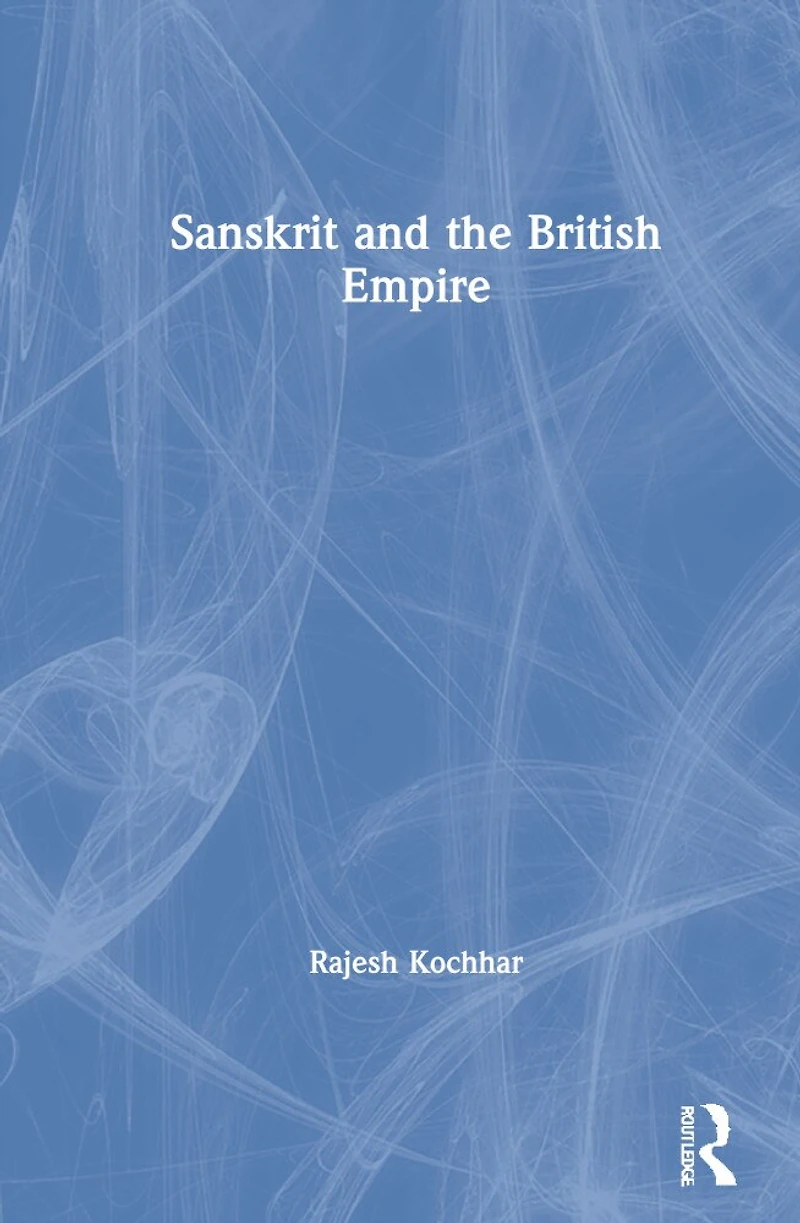
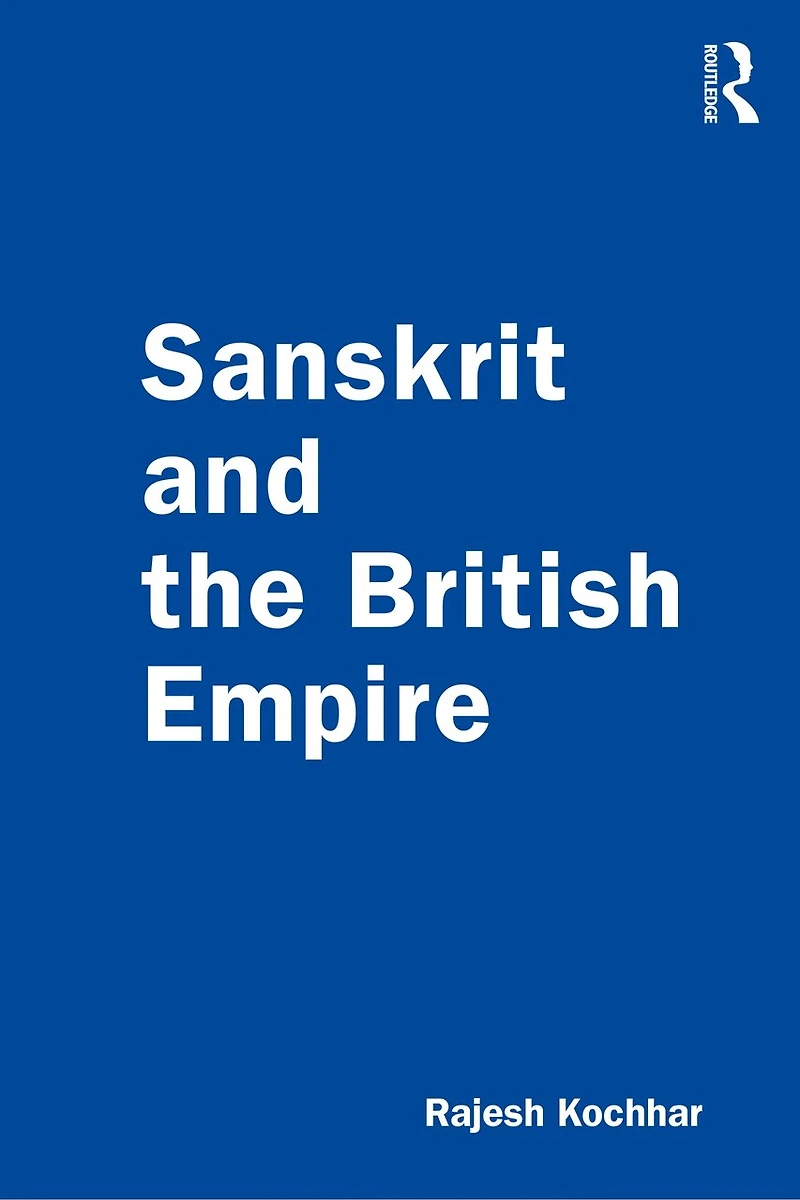
Sanskrit and the British Empire in Ottawa, ON
Current price: $296.50

Sanskrit and the British Empire in Ottawa, ON
Current price: $296.50
Loading Inventory...
Size: Hardcover
*Product information may vary - to confirm product availability, pricing, shipping and return information please contact Coles
This book focuses on the career of Sanskrit in British India. Europe's discovery of Sanskrit was a development of far-reaching historical significance in terms of intellectual curiosity, evangelical considerations, colonial administrative requirements, and political compulsions. The volume critically analyses this interplay between Sanskrit texts and the imperial and colonial presence in India. It goes beyond the question of what the discovery of Sanskrit meant for the West and examines what this collocation meant for India. The author looks at how the British needed Sanskrit for dispensation of Hindu civil law; how learned Pandits were cultivated; and how scholarship was developed transcending utilitarianism. He also studies the extent to which Sanskrit in pre- and non-British India had a bearing on Europe and explores themes such as Jesuit Sanskrit, Hinduism in practice, scripturism, Aryan Race Theory, seductive orientalism, and the introduction of archivalism in India. Rich in archival sources, this unique book will be useful for scholars and researchers of colonial history, modern Indian history, Indology, linguistics, history of education, Sanskrit studies, post-colonial studies, and cultural studies.
This book focuses on the career of Sanskrit in British India. Europe's discovery of Sanskrit was a development of far-reaching historical significance in terms of intellectual curiosity, evangelical considerations, colonial administrative requirements, and political compulsions. The volume critically analyses this interplay between Sanskrit texts and the imperial and colonial presence in India. It goes beyond the question of what the discovery of Sanskrit meant for the West and examines what this collocation meant for India. The author looks at how the British needed Sanskrit for dispensation of Hindu civil law; how learned Pandits were cultivated; and how scholarship was developed transcending utilitarianism. He also studies the extent to which Sanskrit in pre- and non-British India had a bearing on Europe and explores themes such as Jesuit Sanskrit, Hinduism in practice, scripturism, Aryan Race Theory, seductive orientalism, and the introduction of archivalism in India. Rich in archival sources, this unique book will be useful for scholars and researchers of colonial history, modern Indian history, Indology, linguistics, history of education, Sanskrit studies, post-colonial studies, and cultural studies.
You May Also Like











More About Coles at Bayshore Shopping Centre
Coles is renowned for its outstanding customer service and great selection of books. Along with the vast array of magazines, stationary, audio-books, children's literature, fiction, non-fiction and reference books, you can find accessories to make your reading experience more pleasurable. We can recommend the very best in reading today. We will help you search our titles for exactly what you need, and if we do not have it in stock, we will order it for you.
100 Bayshore Dr, Nepean, ON K2B 8C1, Canada
Find Coles at Bayshore Shopping Centre in Ottawa, ON
Visit Coles at Bayshore Shopping Centre in Ottawa, ON