

Give the Gift of Choice!
Too many options? Treat your friends and family to their favourite stores with a Bayshore Shopping Centre gift card, redeemable at participating retailers throughout the centre. Click below to purchase yours today!Purchase HereHome
Savoring Power, Consuming The Times: Metaphors of Food Medieval and Renaissance Italian Literature
Coles
Loading Inventory...
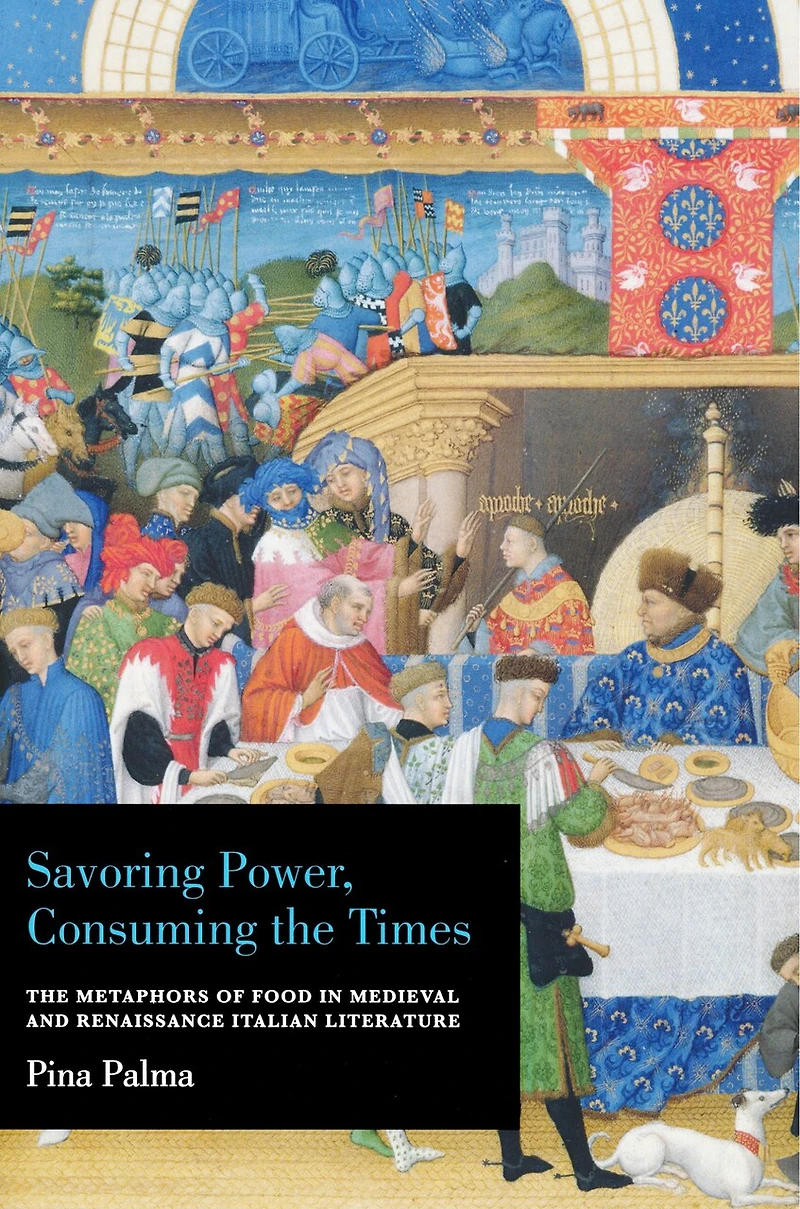
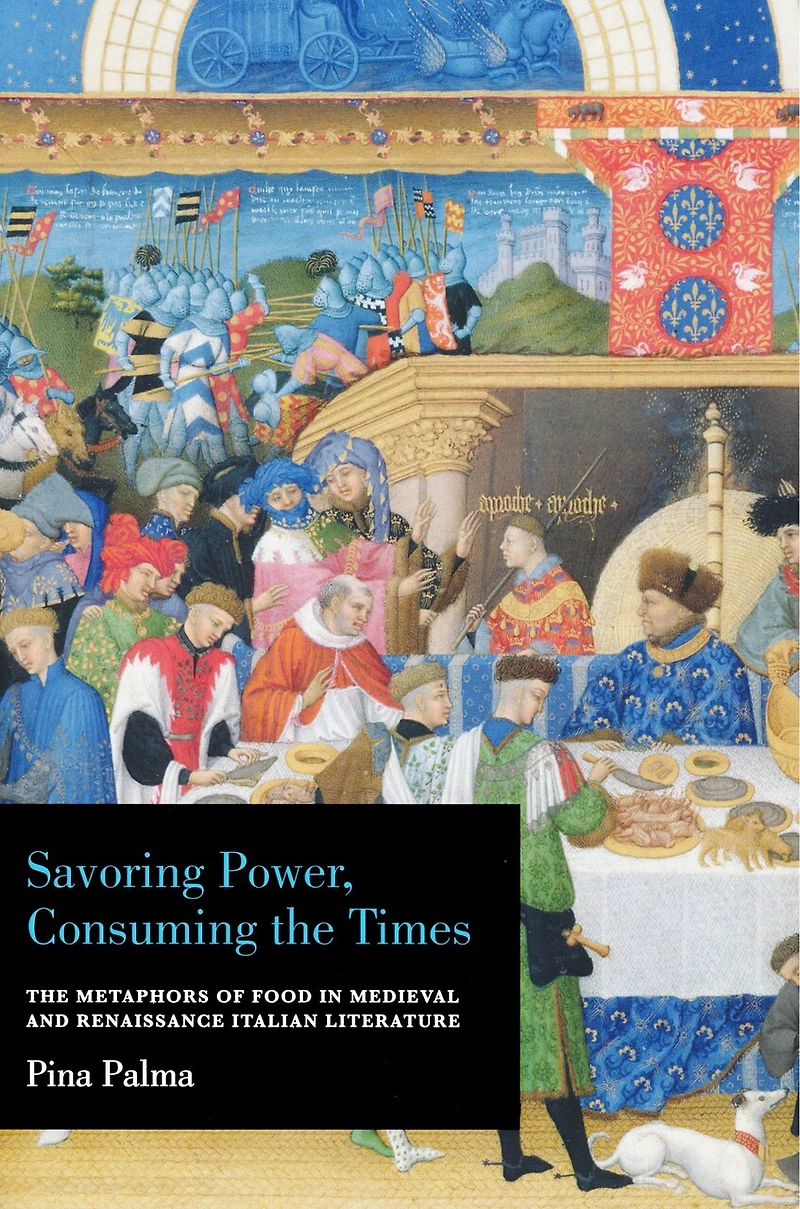
Savoring Power, Consuming The Times: Metaphors of Food Medieval and Renaissance Italian Literature in Ottawa, ON
Current price: $202.95

Savoring Power, Consuming The Times: Metaphors of Food Medieval and Renaissance Italian Literature in Ottawa, ON
Current price: $202.95
Loading Inventory...
Size: Hardcover
*Product information may vary - to confirm product availability, pricing, shipping and return information please contact Coles
Pina Palma?s Savoring Power, Consuming the Times: The Metaphors of Food in Medieval and Renaissance Italian Literature is an innovative look at the writings of five important Italian authors?Boccaccio?s Decameron , Pulci?s Morgante , Boiardo?s Innamorato , Ariosto?s Furioso , and Aretino?s Ragionamento . Through the prism of gastronomy, Palma examines these key works in the Western literary canon, bringing into focus how their authors use food and gastronomy as a means to critique the social, political, theological, philosophical, and cultural beliefs that constitute the fabric of the society in which they live. Palma begins with the anthropological principle that food represents the universal transformation of nature into culture and that it functions as a language that distinguishes every society and its culture from others. This suggests that food?its preparation, presentation, and consumption?is more than merely a source of nourishment. Rather, Palma argues, foodstuffs function as ethical and aesthetic instruments through which the literary hero?s virtues and flaws, achievements and failures, can be gauged. Food also serves as a means to maintain, as well as to negotiate, power, social hierarchy, and relationships between the powerful and the powerless. Touching on three centuries that were pivotal for Italian culture, literature, and history, as well as three literary genres, Palma?s analysis connects the descriptions and references to food found in these works with the wider culture of Italy in the late medieval and early modern period.
Pina Palma?s Savoring Power, Consuming the Times: The Metaphors of Food in Medieval and Renaissance Italian Literature is an innovative look at the writings of five important Italian authors?Boccaccio?s Decameron , Pulci?s Morgante , Boiardo?s Innamorato , Ariosto?s Furioso , and Aretino?s Ragionamento . Through the prism of gastronomy, Palma examines these key works in the Western literary canon, bringing into focus how their authors use food and gastronomy as a means to critique the social, political, theological, philosophical, and cultural beliefs that constitute the fabric of the society in which they live. Palma begins with the anthropological principle that food represents the universal transformation of nature into culture and that it functions as a language that distinguishes every society and its culture from others. This suggests that food?its preparation, presentation, and consumption?is more than merely a source of nourishment. Rather, Palma argues, foodstuffs function as ethical and aesthetic instruments through which the literary hero?s virtues and flaws, achievements and failures, can be gauged. Food also serves as a means to maintain, as well as to negotiate, power, social hierarchy, and relationships between the powerful and the powerless. Touching on three centuries that were pivotal for Italian culture, literature, and history, as well as three literary genres, Palma?s analysis connects the descriptions and references to food found in these works with the wider culture of Italy in the late medieval and early modern period.
You May Also Like







More About Coles at Bayshore Shopping Centre
Coles is renowned for its outstanding customer service and great selection of books. Along with the vast array of magazines, stationary, audio-books, children's literature, fiction, non-fiction and reference books, you can find accessories to make your reading experience more pleasurable. We can recommend the very best in reading today. We will help you search our titles for exactly what you need, and if we do not have it in stock, we will order it for you.
100 Bayshore Dr, Nepean, ON K2B 8C1, Canada
Find Coles at Bayshore Shopping Centre in Ottawa, ON
Visit Coles at Bayshore Shopping Centre in Ottawa, ON