

Give the Gift of Choice!
Too many options? Treat your friends and family to their favourite stores with a Bayshore Shopping Centre gift card, redeemable at participating retailers throughout the centre. Click below to purchase yours today!Purchase HereHome
Schools Transition: Linking Past, Present, and Future Educational Practice
Coles
Loading Inventory...
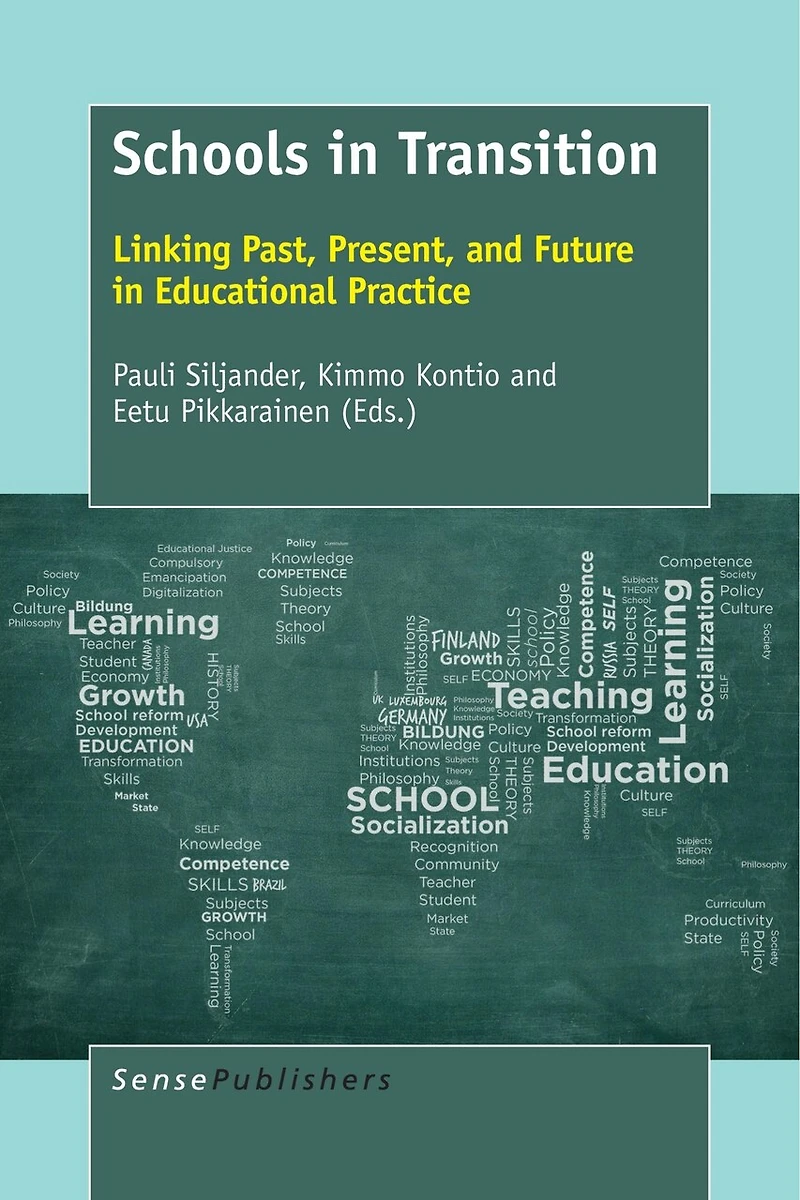
Schools Transition: Linking Past, Present, and Future Educational Practice in Ottawa, ON
Current price: $146.99

Schools Transition: Linking Past, Present, and Future Educational Practice in Ottawa, ON
Current price: $146.99
Loading Inventory...
Size: Hardcover
*Product information may vary - to confirm product availability, pricing, shipping and return information please contact Coles
School is one of the most focal institutions in modern society. It is largely through the institutionalized forms of education that modern society attempts to secure and maintain its social and economic well-being and its valuable cultural life forms. In addition to this, school is the essential institution through which the future of a society is defined. Thus, at least when understood traditionally as a pedagogical institution, the school stands at the center of historically and socially constructed cultural life forms and at the brink of an unknown future: the determination of that future characterizes the pedagogical task of the school. It naturally ensues then, that modern discourses of the school have always been intertwined with the critical question of how past, present and future can be linked in educational practices so that schools can foster (in ever better ways) the well-being of individuals, societies and humanity. The chapters in this volume, despite the variety of viewpoints, share this critical view. The purpose of the volume is not to offer definite answers; rather it is to stress that to understand the role and functions of school in contemporary society and to orientate its transition, a well-founded critical evaluation of prevailing pedagogical practices and policy trends is required. This evaluation is vital for the future of school and society.
School is one of the most focal institutions in modern society. It is largely through the institutionalized forms of education that modern society attempts to secure and maintain its social and economic well-being and its valuable cultural life forms. In addition to this, school is the essential institution through which the future of a society is defined. Thus, at least when understood traditionally as a pedagogical institution, the school stands at the center of historically and socially constructed cultural life forms and at the brink of an unknown future: the determination of that future characterizes the pedagogical task of the school. It naturally ensues then, that modern discourses of the school have always been intertwined with the critical question of how past, present and future can be linked in educational practices so that schools can foster (in ever better ways) the well-being of individuals, societies and humanity. The chapters in this volume, despite the variety of viewpoints, share this critical view. The purpose of the volume is not to offer definite answers; rather it is to stress that to understand the role and functions of school in contemporary society and to orientate its transition, a well-founded critical evaluation of prevailing pedagogical practices and policy trends is required. This evaluation is vital for the future of school and society.
You May Also Like










More About Coles at Bayshore Shopping Centre
Coles is renowned for its outstanding customer service and great selection of books. Along with the vast array of magazines, stationary, audio-books, children's literature, fiction, non-fiction and reference books, you can find accessories to make your reading experience more pleasurable. We can recommend the very best in reading today. We will help you search our titles for exactly what you need, and if we do not have it in stock, we will order it for you.
100 Bayshore Dr, Nepean, ON K2B 8C1, Canada
Find Coles at Bayshore Shopping Centre in Ottawa, ON
Visit Coles at Bayshore Shopping Centre in Ottawa, ON