

Give the Gift of Choice!
Too many options? Treat your friends and family to their favourite stores with a Bayshore Shopping Centre gift card, redeemable at participating retailers throughout the centre. Click below to purchase yours today!Purchase HereHome
Schopenhauer and the Aesthetic Standpoint: Philosophy as a Practice of Sublime
Coles
Loading Inventory...
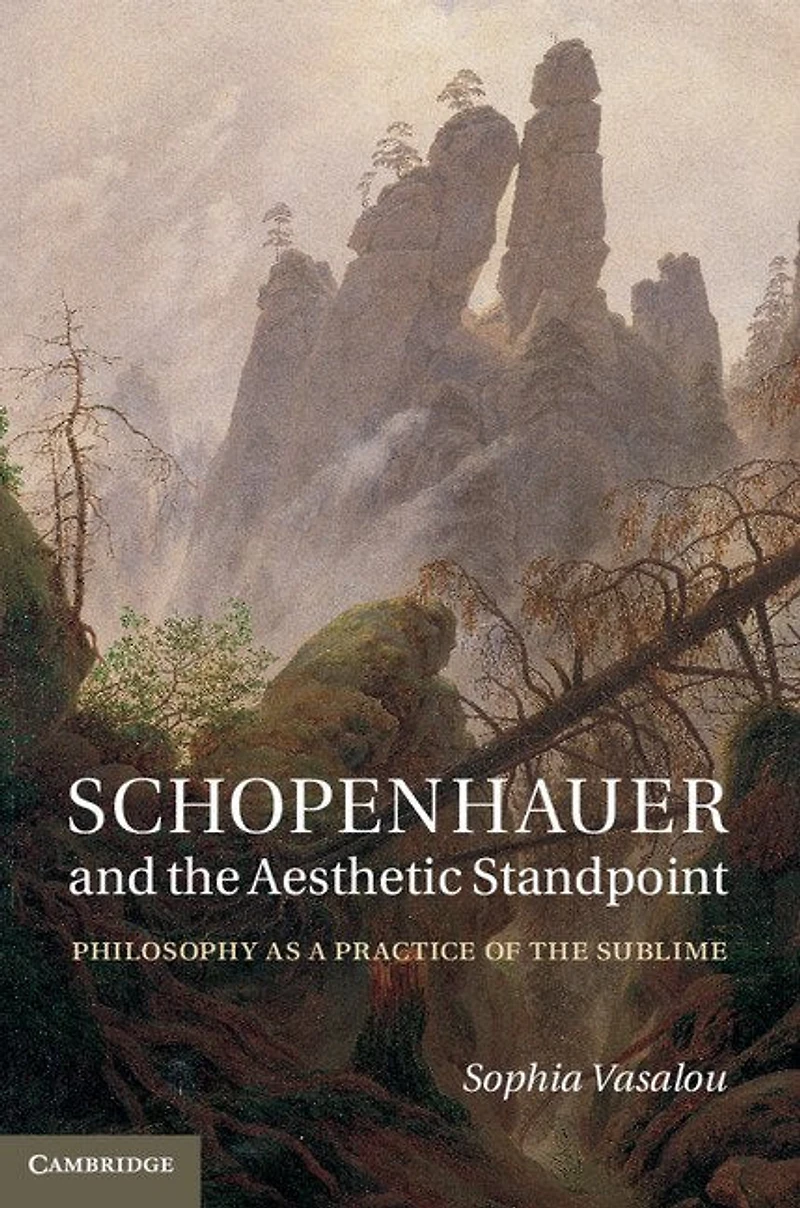

Schopenhauer and the Aesthetic Standpoint: Philosophy as a Practice of Sublime in Ottawa, ON
Current price: $144.95

Schopenhauer and the Aesthetic Standpoint: Philosophy as a Practice of Sublime in Ottawa, ON
Current price: $144.95
Loading Inventory...
Size: Hardcover
*Product information may vary - to confirm product availability, pricing, shipping and return information please contact Coles
With its pessimistic vision and bleak message of world-denial, it has often been difficult to know how to engage with Schopenhauer’s philosophy. His arguments have seemed flawed and his doctrines marred by inconsistencies; his very pessimism almost too flamboyant to be believable. Yet a way of redrawing this engagement stands open, Sophia Vasalou argues, if we attend more closely to the visionary power of Schopenhauer’s work. The aim of this book is to place the aesthetic character of Schopenhauer’s standpoint at the heart of the way we read his philosophy and the way we answer the question: why read Schopenhauer - and how? Approaching his philosophy as an enactment of the sublime with a longer history in the ancient philosophical tradition, Vasalou provides a fresh way of assessing Schopenhauer’s relevance in critical terms. This book will be valuable for students and scholars with an interest in post-Kantian philosophy and ancient ethics.
With its pessimistic vision and bleak message of world-denial, it has often been difficult to know how to engage with Schopenhauer’s philosophy. His arguments have seemed flawed and his doctrines marred by inconsistencies; his very pessimism almost too flamboyant to be believable. Yet a way of redrawing this engagement stands open, Sophia Vasalou argues, if we attend more closely to the visionary power of Schopenhauer’s work. The aim of this book is to place the aesthetic character of Schopenhauer’s standpoint at the heart of the way we read his philosophy and the way we answer the question: why read Schopenhauer - and how? Approaching his philosophy as an enactment of the sublime with a longer history in the ancient philosophical tradition, Vasalou provides a fresh way of assessing Schopenhauer’s relevance in critical terms. This book will be valuable for students and scholars with an interest in post-Kantian philosophy and ancient ethics.
You May Also Like














More About Coles at Bayshore Shopping Centre
Coles is renowned for its outstanding customer service and great selection of books. Along with the vast array of magazines, stationary, audio-books, children's literature, fiction, non-fiction and reference books, you can find accessories to make your reading experience more pleasurable. We can recommend the very best in reading today. We will help you search our titles for exactly what you need, and if we do not have it in stock, we will order it for you.
100 Bayshore Dr, Nepean, ON K2B 8C1, Canada
Find Coles at Bayshore Shopping Centre in Ottawa, ON
Visit Coles at Bayshore Shopping Centre in Ottawa, ON