

Give the Gift of Choice!
Too many options? Treat your friends and family to their favourite stores with a Bayshore Shopping Centre gift card, redeemable at participating retailers throughout the centre. Click below to purchase yours today!Purchase HereHome
Scotland, England and France after the Loss of Normandy, 1204-1296: `Auld Amitie'
Coles
Loading Inventory...
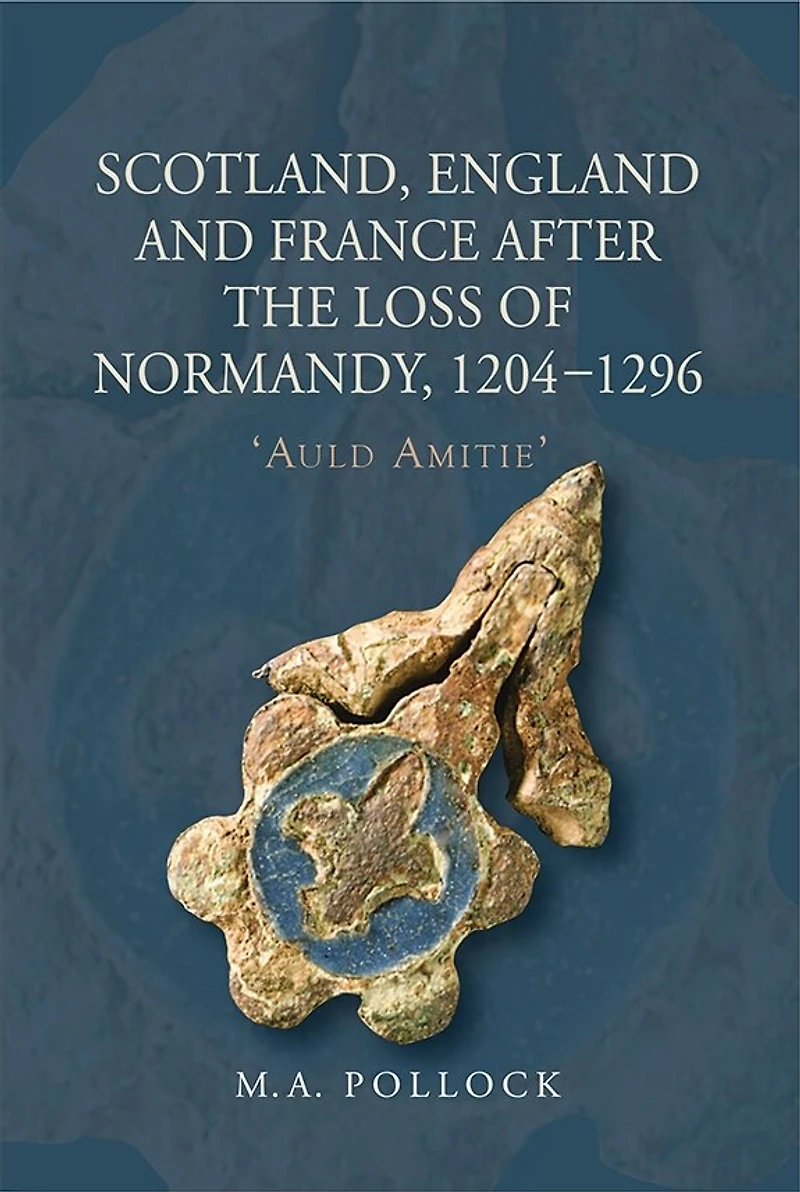
Scotland, England and France after the Loss of Normandy, 1204-1296: `Auld Amitie' in Ottawa, ON
Current price: $170.30

Scotland, England and France after the Loss of Normandy, 1204-1296: `Auld Amitie' in Ottawa, ON
Current price: $170.30
Loading Inventory...
Size: Hardcover
*Product information may vary - to confirm product availability, pricing, shipping and return information please contact Coles
An examination of the complex network of relationships and identity between England, Scotland and France in the thirteenth century.
Following King John's loss of Normandy to King Philip Augustus in 1204, the familial ties that bound the Anglo-French nobility across the Channel spreading into Scotland gradually dissipated. Scotland's pivotal relationship with England and France transformed as Scottish families began to redefine their identity within a native Scottish and English context apart from their French roots.
This book argues that the loss of Normandy ushered in a deep andprofound shift in the political and cultural mentality of the Anglo-Scottish nobility. By the end of the thirteenth century, the number of Scottish families who still held land in France or made French marriages was slashed by two thirds. Cross-Channel relations were maintained mainly through the extended kin of the Scottish royal family, while the crown of Scotland focused more on promoting relations with England. Ironically, it was precisely this disintegration of kin-based, personal relations between the nobility of these three polities that made it necessary for a formal bond (The Treaty of Paris) to be forged between France and Scotland in 1295, referred to as an "Auld Amitie".
M.A. Pollock gained her PhD from the University of St Andrews. She has since taught at St Andrews, the University of Edinburgh, Trinity College, Dublin, and University College Dublin.
An examination of the complex network of relationships and identity between England, Scotland and France in the thirteenth century.
Following King John's loss of Normandy to King Philip Augustus in 1204, the familial ties that bound the Anglo-French nobility across the Channel spreading into Scotland gradually dissipated. Scotland's pivotal relationship with England and France transformed as Scottish families began to redefine their identity within a native Scottish and English context apart from their French roots.
This book argues that the loss of Normandy ushered in a deep andprofound shift in the political and cultural mentality of the Anglo-Scottish nobility. By the end of the thirteenth century, the number of Scottish families who still held land in France or made French marriages was slashed by two thirds. Cross-Channel relations were maintained mainly through the extended kin of the Scottish royal family, while the crown of Scotland focused more on promoting relations with England. Ironically, it was precisely this disintegration of kin-based, personal relations between the nobility of these three polities that made it necessary for a formal bond (The Treaty of Paris) to be forged between France and Scotland in 1295, referred to as an "Auld Amitie".
M.A. Pollock gained her PhD from the University of St Andrews. She has since taught at St Andrews, the University of Edinburgh, Trinity College, Dublin, and University College Dublin.
You May Also Like













More About Coles at Bayshore Shopping Centre
Coles is renowned for its outstanding customer service and great selection of books. Along with the vast array of magazines, stationary, audio-books, children's literature, fiction, non-fiction and reference books, you can find accessories to make your reading experience more pleasurable. We can recommend the very best in reading today. We will help you search our titles for exactly what you need, and if we do not have it in stock, we will order it for you.
100 Bayshore Dr, Nepean, ON K2B 8C1, Canada
Find Coles at Bayshore Shopping Centre in Ottawa, ON
Visit Coles at Bayshore Shopping Centre in Ottawa, ON