

Give the Gift of Choice!
Too many options? Treat your friends and family to their favourite stores with a Bayshore Shopping Centre gift card, redeemable at participating retailers throughout the centre. Click below to purchase yours today!Purchase HereHome
Sector Coupling - Energy-Sustainable Economy of the Future: Fundamentals, Model and Planning Example of a General Energy System (GES)
Coles
Loading Inventory...
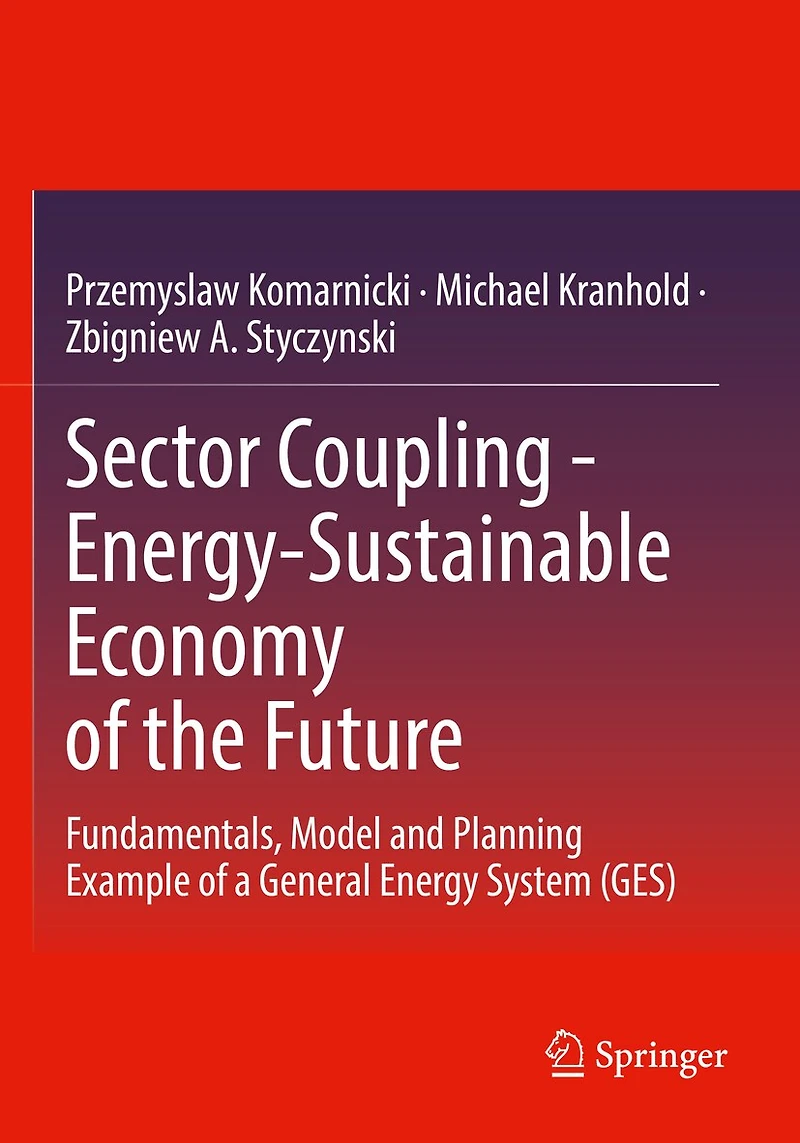
Sector Coupling - Energy-Sustainable Economy of the Future: Fundamentals, Model and Planning Example of a General Energy System (GES) in Ottawa, ON
Current price: $160.95

Sector Coupling - Energy-Sustainable Economy of the Future: Fundamentals, Model and Planning Example of a General Energy System (GES) in Ottawa, ON
Current price: $160.95
Loading Inventory...
Size: Paperback
*Product information may vary - to confirm product availability, pricing, shipping and return information please contact Coles
The core of the book is the presentation of a systematic, continuous and logical chain into the coupled total energy system (GES) of the future, which will lead to the fully sustainable use of renewable energies. Thus, unified models are proposed that are applicable to the subsystems/sectors throughout and allow the optimization of the entire GES. Appropriate algorithms and approaches are illustrated with numerous examples. This is embedded in the context of efforts to fully integrate energy generated from renewable sources into the GES. The overarching role of IT systems for secure operations has been emphasized in the book. The relevance of the correct mapping of technologies to use cases is elaborated and necessary steps derived from this are considered technically and organizationally (standardization). Special attention is paid to the didactic presentation of the material in order to present this new, difficult and complex problem "as simple as possible, but not simpler" [according to Einstein].
The core of the book is the presentation of a systematic, continuous and logical chain into the coupled total energy system (GES) of the future, which will lead to the fully sustainable use of renewable energies. Thus, unified models are proposed that are applicable to the subsystems/sectors throughout and allow the optimization of the entire GES. Appropriate algorithms and approaches are illustrated with numerous examples. This is embedded in the context of efforts to fully integrate energy generated from renewable sources into the GES. The overarching role of IT systems for secure operations has been emphasized in the book. The relevance of the correct mapping of technologies to use cases is elaborated and necessary steps derived from this are considered technically and organizationally (standardization). Special attention is paid to the didactic presentation of the material in order to present this new, difficult and complex problem "as simple as possible, but not simpler" [according to Einstein].
You May Also Like








More About Coles at Bayshore Shopping Centre
Coles is renowned for its outstanding customer service and great selection of books. Along with the vast array of magazines, stationary, audio-books, children's literature, fiction, non-fiction and reference books, you can find accessories to make your reading experience more pleasurable. We can recommend the very best in reading today. We will help you search our titles for exactly what you need, and if we do not have it in stock, we will order it for you.
100 Bayshore Dr, Nepean, ON K2B 8C1, Canada
Find Coles at Bayshore Shopping Centre in Ottawa, ON
Visit Coles at Bayshore Shopping Centre in Ottawa, ON