

Give the Gift of Choice!
Too many options? Treat your friends and family to their favourite stores with a Bayshore Shopping Centre gift card, redeemable at participating retailers throughout the centre. Click below to purchase yours today!Purchase HereHome
Secularization of Islam Post-Revolutionary Iran
Coles
Loading Inventory...
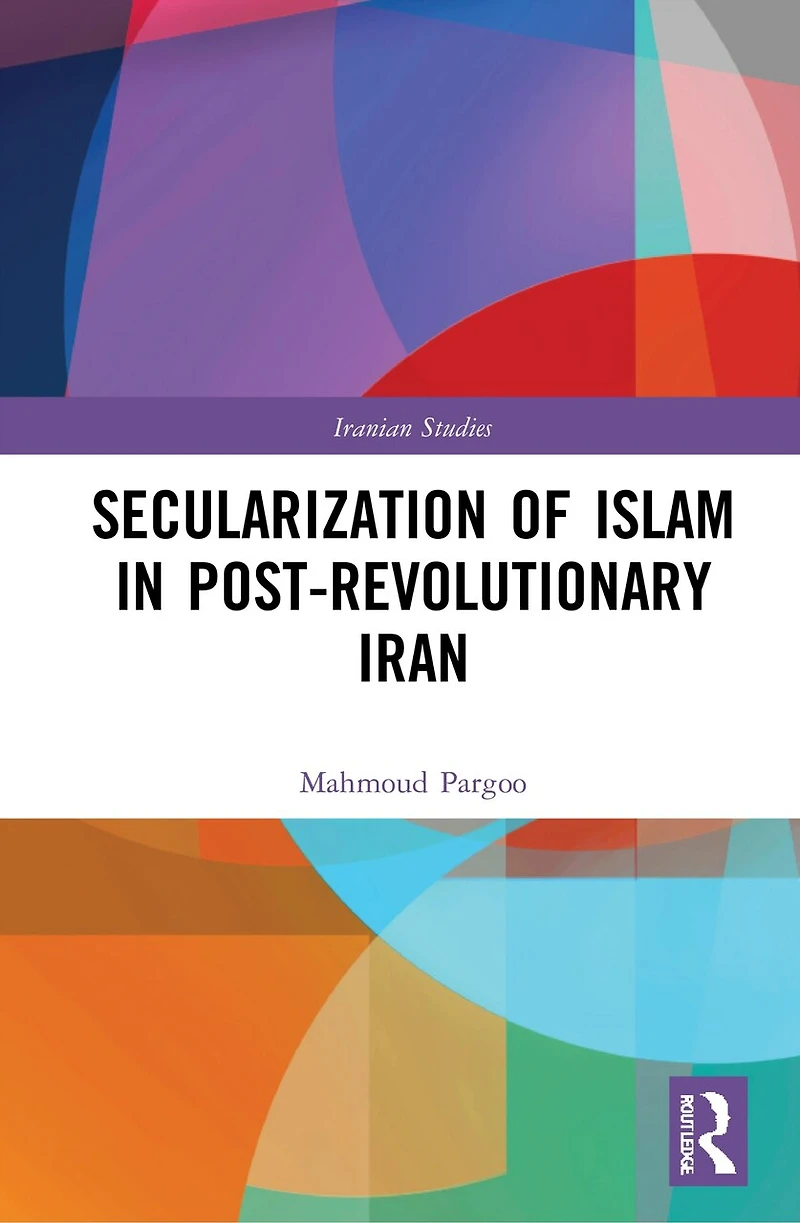
Secularization of Islam Post-Revolutionary Iran in Ottawa, ON
Current price: $296.50

Secularization of Islam Post-Revolutionary Iran in Ottawa, ON
Current price: $296.50
Loading Inventory...
Size: Hardcover
*Product information may vary - to confirm product availability, pricing, shipping and return information please contact Coles
Examining the trajectory of the secularization of Islam in Iran, this book explains how efforts to Islamize society led, self-destructively, to its secularization. The research engages a range of debates across different fields, emphasizing the political and epistemological instability of the basic categories such as Islam, Sharia, and secularism. The volume is an interdisciplinary study of both the history of Islamic revival and Khomeini's very specific merger of Islamic law and mysticism. It traces back the process of secularization to the early encounter of Iranian intellectuals with Europeans and adoption of their fundamental framework in an Islamic guise. The process continued until the Islamic Revolution of Iran in 1979, when Khomeini tried to substantively de-secularize Iranian social imaginaries. His attempts were not followed up by his followers, who vigorously reinstated the previous trend, after his death, resulting in a polity that is mostly secular but with Islamic ornaments. Bringing together area studies (Iran), religious studies (Islam), and political theory (secularism), this interdisciplinary volume places findings in a broader narrative that is both specific to Iran and broad enough to engage a global readership.
Examining the trajectory of the secularization of Islam in Iran, this book explains how efforts to Islamize society led, self-destructively, to its secularization. The research engages a range of debates across different fields, emphasizing the political and epistemological instability of the basic categories such as Islam, Sharia, and secularism. The volume is an interdisciplinary study of both the history of Islamic revival and Khomeini's very specific merger of Islamic law and mysticism. It traces back the process of secularization to the early encounter of Iranian intellectuals with Europeans and adoption of their fundamental framework in an Islamic guise. The process continued until the Islamic Revolution of Iran in 1979, when Khomeini tried to substantively de-secularize Iranian social imaginaries. His attempts were not followed up by his followers, who vigorously reinstated the previous trend, after his death, resulting in a polity that is mostly secular but with Islamic ornaments. Bringing together area studies (Iran), religious studies (Islam), and political theory (secularism), this interdisciplinary volume places findings in a broader narrative that is both specific to Iran and broad enough to engage a global readership.
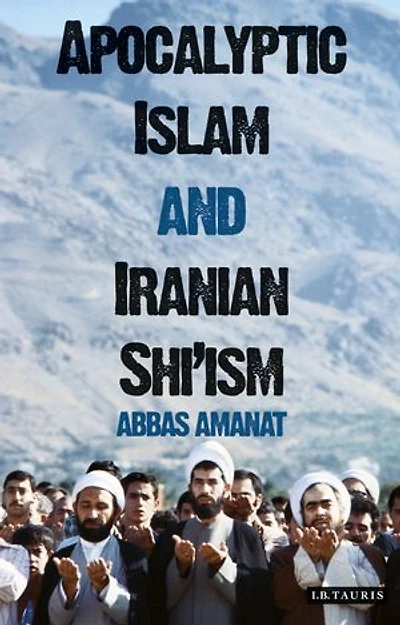
You May Also Like








More About Coles at Bayshore Shopping Centre
Coles is renowned for its outstanding customer service and great selection of books. Along with the vast array of magazines, stationary, audio-books, children's literature, fiction, non-fiction and reference books, you can find accessories to make your reading experience more pleasurable. We can recommend the very best in reading today. We will help you search our titles for exactly what you need, and if we do not have it in stock, we will order it for you.
100 Bayshore Dr, Nepean, ON K2B 8C1, Canada
Find Coles at Bayshore Shopping Centre in Ottawa, ON
Visit Coles at Bayshore Shopping Centre in Ottawa, ON