

Give the Gift of Choice!
Too many options? Treat your friends and family to their favourite stores with a Bayshore Shopping Centre gift card, redeemable at participating retailers throughout the centre. Click below to purchase yours today!Purchase HereHome
Security Assessment of SCADA Protocols - A Taxonomy Based Methodology for the Identification of Security Vulnerabilities in SCADA Protocols
Coles
Loading Inventory...
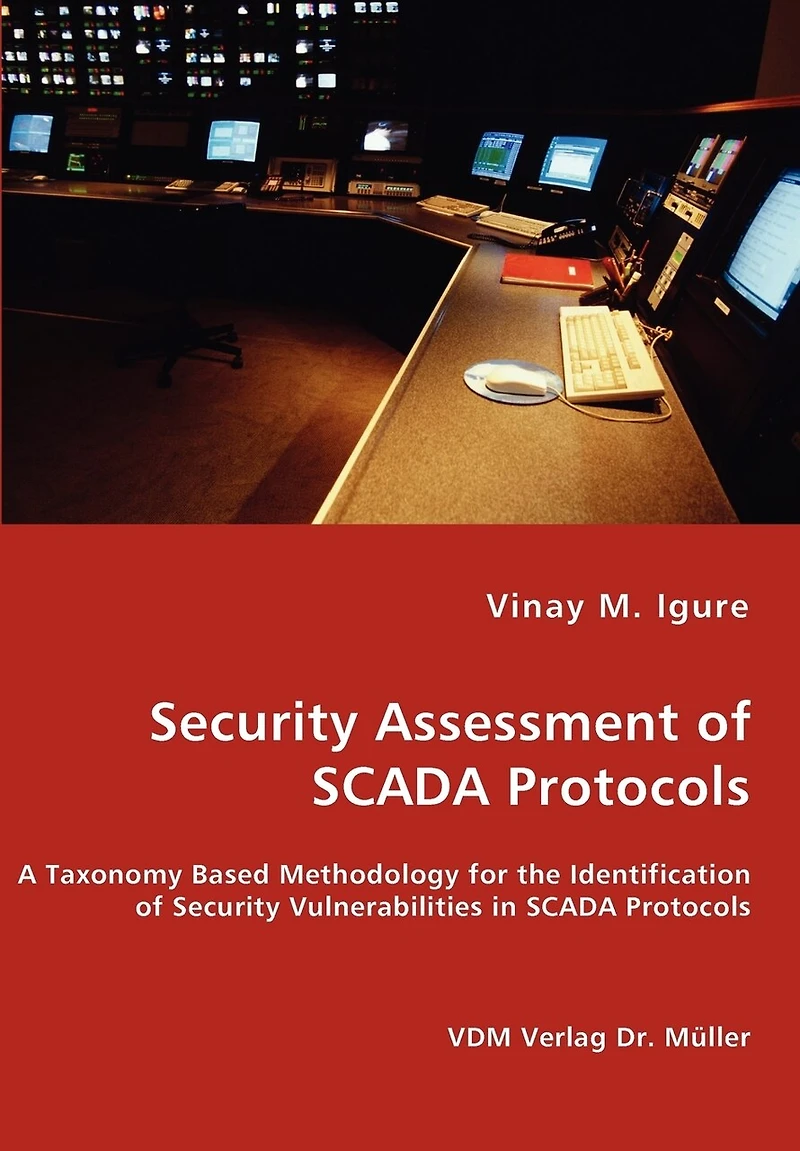
Security Assessment of SCADA Protocols - A Taxonomy Based Methodology for the Identification of Security Vulnerabilities in SCADA Protocols in Ottawa, ON
Current price: $68.95

Security Assessment of SCADA Protocols - A Taxonomy Based Methodology for the Identification of Security Vulnerabilities in SCADA Protocols in Ottawa, ON
Current price: $68.95
Loading Inventory...
Size: Paperback
*Product information may vary - to confirm product availability, pricing, shipping and return information please contact Coles
Modern industrial facilities, such as oil refineries, chemical factories, electric power generation plants, etc. are large, complex, distributed systems. These systems are monitored and controlled by networks of special purpose embedded computing devices such as sensors, actuators, and PLCs. These industrial control networks are commonly called SCADA (Supervisory Control and Data Acquisition) networks. The increasing interconnectivity of SCADA networks has exposed them to a wide range of network security problems. One of the important issues in securing SCADA networks is to identify vulnerabilities in the communication protocols. This book analyses existing qualitative security assessment guidelines, specifically attack and vulnerability taxonomies, and proposes a new framework for organizing information about known attacks and vulnerabilities to find unknown or similar vulnerabilities in new systems. This framework is used to organize information related to known vulnerabilities in SCADA protocols into a taxonomy that provides a systematic methodology for the security assessment of other SCADA protocols.
Modern industrial facilities, such as oil refineries, chemical factories, electric power generation plants, etc. are large, complex, distributed systems. These systems are monitored and controlled by networks of special purpose embedded computing devices such as sensors, actuators, and PLCs. These industrial control networks are commonly called SCADA (Supervisory Control and Data Acquisition) networks. The increasing interconnectivity of SCADA networks has exposed them to a wide range of network security problems. One of the important issues in securing SCADA networks is to identify vulnerabilities in the communication protocols. This book analyses existing qualitative security assessment guidelines, specifically attack and vulnerability taxonomies, and proposes a new framework for organizing information about known attacks and vulnerabilities to find unknown or similar vulnerabilities in new systems. This framework is used to organize information related to known vulnerabilities in SCADA protocols into a taxonomy that provides a systematic methodology for the security assessment of other SCADA protocols.
You May Also Like


















More About Coles at Bayshore Shopping Centre
Coles is renowned for its outstanding customer service and great selection of books. Along with the vast array of magazines, stationary, audio-books, children's literature, fiction, non-fiction and reference books, you can find accessories to make your reading experience more pleasurable. We can recommend the very best in reading today. We will help you search our titles for exactly what you need, and if we do not have it in stock, we will order it for you.
100 Bayshore Dr, Nepean, ON K2B 8C1, Canada
Find Coles at Bayshore Shopping Centre in Ottawa, ON
Visit Coles at Bayshore Shopping Centre in Ottawa, ON