

Give the Gift of Choice!
Too many options? Treat your friends and family to their favourite stores with a Bayshore Shopping Centre gift card, redeemable at participating retailers throughout the centre. Click below to purchase yours today!Purchase HereHome
Seducing The Eighteenth-century French Reader: Reading, Writing, And The Question Of Pleasure
Coles
Loading Inventory...
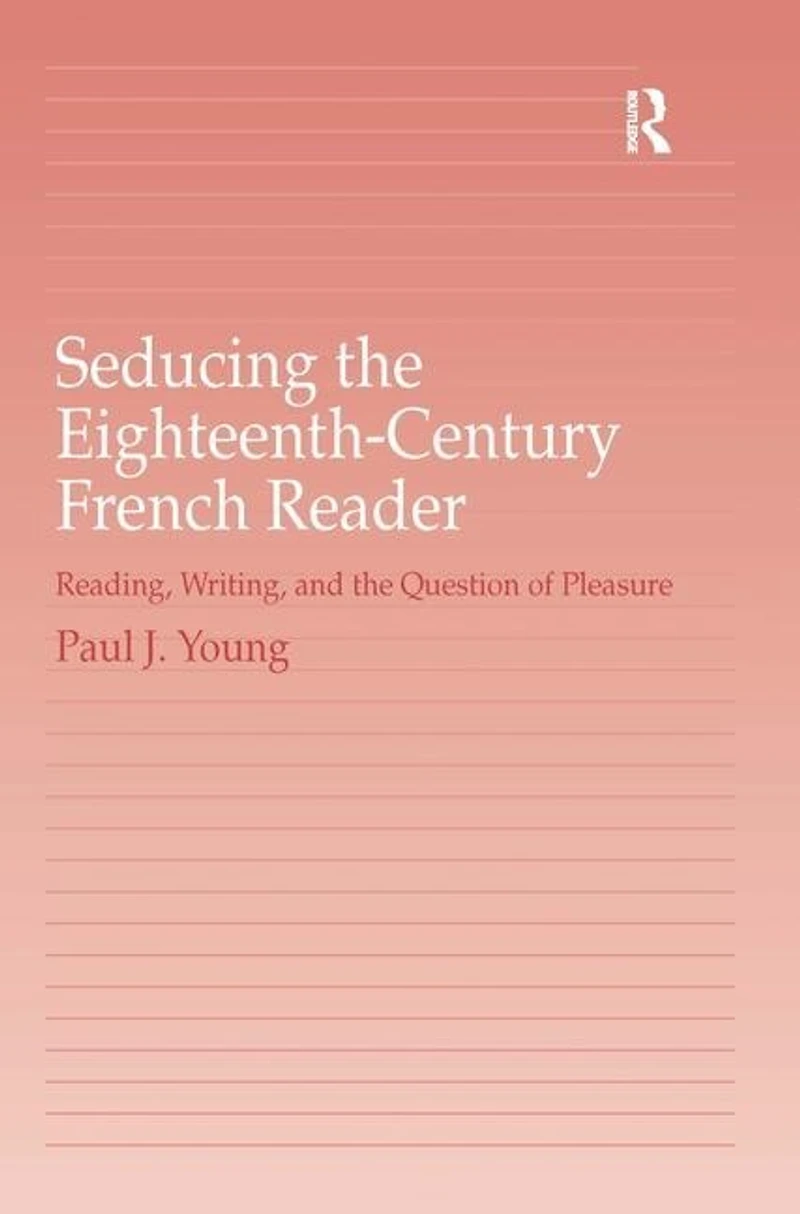
Seducing The Eighteenth-century French Reader: Reading, Writing, And The Question Of Pleasure in Ottawa, ON
Current price: $224.00

Seducing The Eighteenth-century French Reader: Reading, Writing, And The Question Of Pleasure in Ottawa, ON
Current price: $224.00
Loading Inventory...
Size: Hardcover
*Product information may vary - to confirm product availability, pricing, shipping and return information please contact Coles
As he demonstrates that narratives of seduction function as a master plot for French literature in the eighteenth century, Paul Young argues that the prevalence of this trope was a reaction to a dominant cultural discourse that coded the novel and the new practice of solitary reading as dangerous, seductive practices. Situating his study in the context of paintings, educational manuals, and criticism that caution against the act of reading, Young considers both canonical and lesser-known works by authors that include Rousseau, Sade, Bastide, Laclos, Cr¿llon fils, and the writers of two widely read libertine novels. How these authors responded to a cultural climate that viewed literature, and especially the novel, as seductive, sheds light on the perils and pleasures of authorship, the ways in which texts interact with the larger cultural discourse, and what eighteenth-century texts tell us about the dangers of reading or writing. Ultimately, Young argues, the seduction not in the text, but by the text raises questions about the nature of pleasure in eighteenth-century French literature and culture.
As he demonstrates that narratives of seduction function as a master plot for French literature in the eighteenth century, Paul Young argues that the prevalence of this trope was a reaction to a dominant cultural discourse that coded the novel and the new practice of solitary reading as dangerous, seductive practices. Situating his study in the context of paintings, educational manuals, and criticism that caution against the act of reading, Young considers both canonical and lesser-known works by authors that include Rousseau, Sade, Bastide, Laclos, Cr¿llon fils, and the writers of two widely read libertine novels. How these authors responded to a cultural climate that viewed literature, and especially the novel, as seductive, sheds light on the perils and pleasures of authorship, the ways in which texts interact with the larger cultural discourse, and what eighteenth-century texts tell us about the dangers of reading or writing. Ultimately, Young argues, the seduction not in the text, but by the text raises questions about the nature of pleasure in eighteenth-century French literature and culture.
You May Also Like













More About Coles at Bayshore Shopping Centre
Coles is renowned for its outstanding customer service and great selection of books. Along with the vast array of magazines, stationary, audio-books, children's literature, fiction, non-fiction and reference books, you can find accessories to make your reading experience more pleasurable. We can recommend the very best in reading today. We will help you search our titles for exactly what you need, and if we do not have it in stock, we will order it for you.
100 Bayshore Dr, Nepean, ON K2B 8C1, Canada
Find Coles at Bayshore Shopping Centre in Ottawa, ON
Visit Coles at Bayshore Shopping Centre in Ottawa, ON