

Give the Gift of Choice!
Too many options? Treat your friends and family to their favourite stores with a Bayshore Shopping Centre gift card, redeemable at participating retailers throughout the centre. Click below to purchase yours today!Purchase HereHome
Self-Ownership, Property Rights, and the Human Body: A Legal Philosophical Analysis
Coles
Loading Inventory...
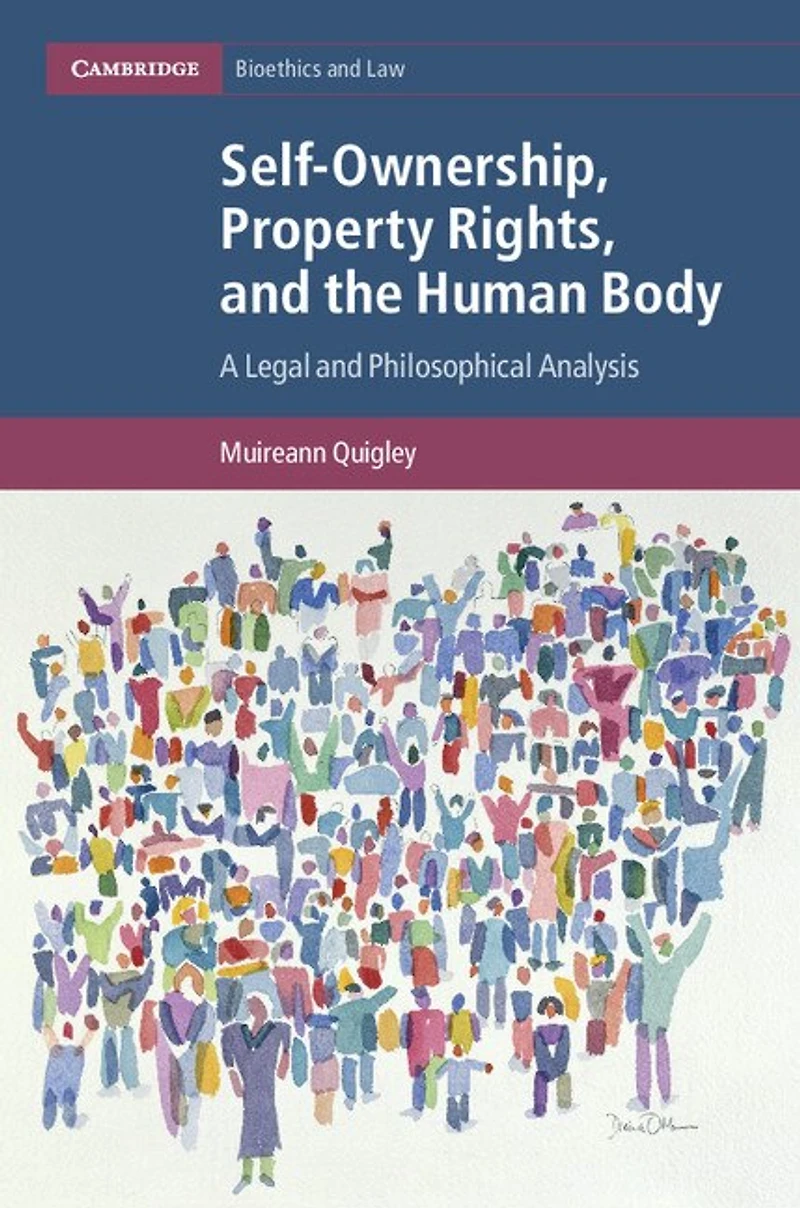
Self-Ownership, Property Rights, and the Human Body: A Legal Philosophical Analysis in Ottawa, ON
Current price: $182.95

Self-Ownership, Property Rights, and the Human Body: A Legal Philosophical Analysis in Ottawa, ON
Current price: $182.95
Loading Inventory...
Size: Hardcover
*Product information may vary - to confirm product availability, pricing, shipping and return information please contact Coles
How ought the law to deal with novel challenges regarding the use and control of human biomaterials? As it stands the law is ill-equipped to deal with these. Quigley argues that advancing biotechnology means that the law must confront and move boundaries which it has constructed; in particular, those which delineate property from non-property in relation to biomaterials. Drawing together often disparate strands of property discourse, she offers a philosophical and legal re-analysis of the law in relation to property in the body and biomaterials. She advances a new defence, underpinned by self-ownership, of the position that persons ought to be seen as the prima facie holders of property rights in their separated biomaterials. This book will appeal to those interested in medical and property law, philosophy, bioethics, and health policy amongst others.
How ought the law to deal with novel challenges regarding the use and control of human biomaterials? As it stands the law is ill-equipped to deal with these. Quigley argues that advancing biotechnology means that the law must confront and move boundaries which it has constructed; in particular, those which delineate property from non-property in relation to biomaterials. Drawing together often disparate strands of property discourse, she offers a philosophical and legal re-analysis of the law in relation to property in the body and biomaterials. She advances a new defence, underpinned by self-ownership, of the position that persons ought to be seen as the prima facie holders of property rights in their separated biomaterials. This book will appeal to those interested in medical and property law, philosophy, bioethics, and health policy amongst others.
You May Also Like










More About Coles at Bayshore Shopping Centre
Coles is renowned for its outstanding customer service and great selection of books. Along with the vast array of magazines, stationary, audio-books, children's literature, fiction, non-fiction and reference books, you can find accessories to make your reading experience more pleasurable. We can recommend the very best in reading today. We will help you search our titles for exactly what you need, and if we do not have it in stock, we will order it for you.
100 Bayshore Dr, Nepean, ON K2B 8C1, Canada
Find Coles at Bayshore Shopping Centre in Ottawa, ON
Visit Coles at Bayshore Shopping Centre in Ottawa, ON