

Give the Gift of Choice!
Too many options? Treat your friends and family to their favourite stores with a Bayshore Shopping Centre gift card, redeemable at participating retailers throughout the centre. Click below to purchase yours today!Purchase HereHome
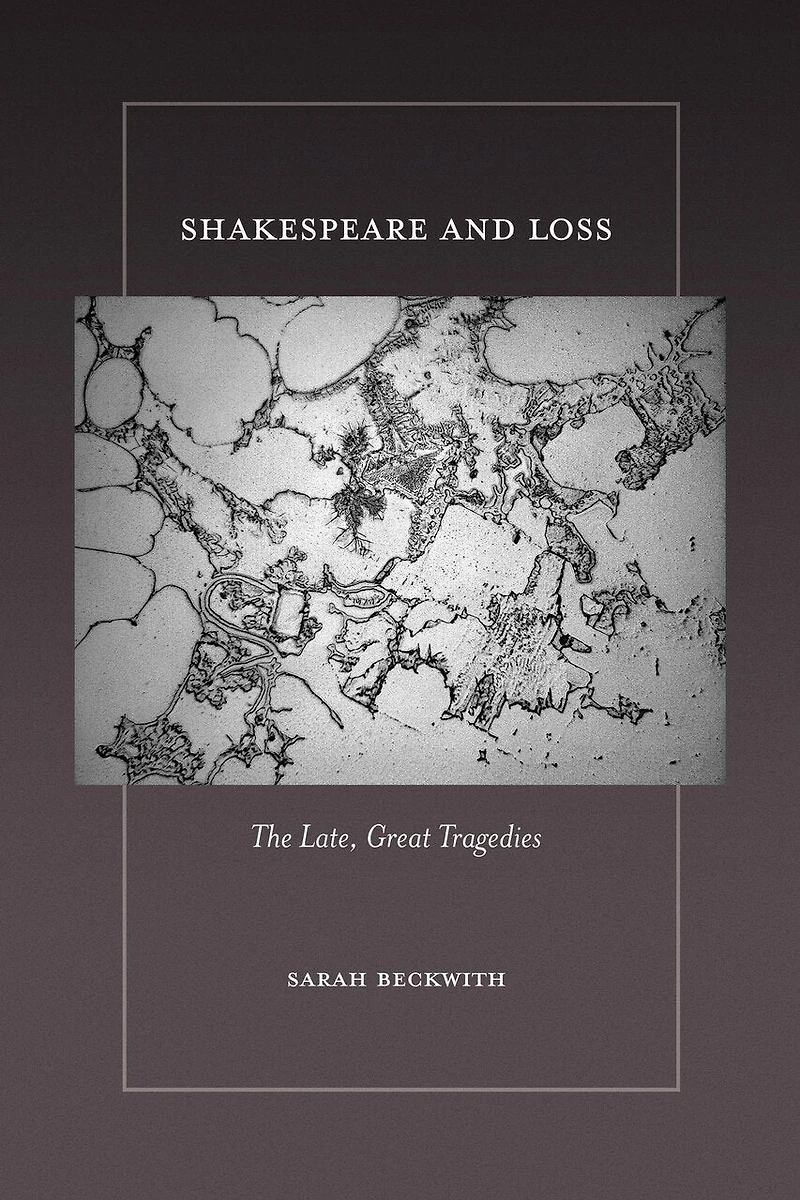
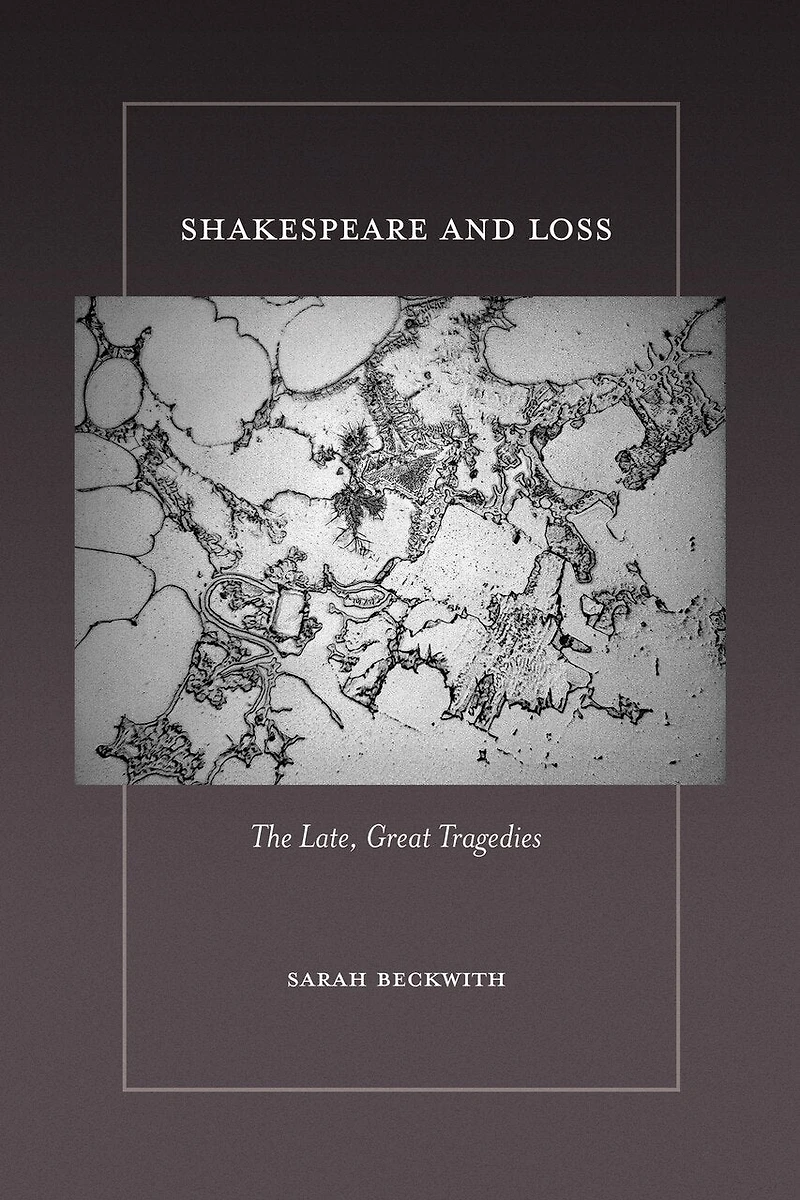
Shakespeare and Loss: The Late, Great Tragedies
Coles
Loading Inventory...
Shakespeare and Loss: The Late, Great Tragedies in Ottawa, ON
Current price: $195.95

Shakespeare and Loss: The Late, Great Tragedies in Ottawa, ON
Current price: $195.95
Loading Inventory...
Size: Hardcover
*Product information may vary - to confirm product availability, pricing, shipping and return information please contact Coles
Shakespeare and Loss explores how, in Shakespeare's late tragedies ( Hamlet , King Lear , Timon of Athens , Macbeth , Coriolanus , and Antony and Cleopatra ), some of the most fundamental forms of understanding and life that bind human communities together—grieving; loving; giving; acting and doing; speaking and being human; marrying, conversing, and judging—can become dangerously, even lethally obscure. These losses, Sarah Beckwith contends, shape the form, plot, and preoccupations that the late tragedies take and define them as a group, which she terms "tragedies of exile." This unprecedented and searing run of tragedies written between 1601 and 1608 features protagonists who are driven out (or drive themselves out) of family and society, finding themselves banished (or seeking exile) to the edgelands of civilization. Using philosophical insights from Ludwig Wittgenstein and Stanley Cavell, Shakespeare and Loss shows that the exile of these protagonists is ultimately linguistic. They are exiled from sense and intelligibility, stripping from them vital concepts of human bonding—loving, grieving, giving—that they realize are precious only when it is too late.
Shakespeare and Loss explores how, in Shakespeare's late tragedies ( Hamlet , King Lear , Timon of Athens , Macbeth , Coriolanus , and Antony and Cleopatra ), some of the most fundamental forms of understanding and life that bind human communities together—grieving; loving; giving; acting and doing; speaking and being human; marrying, conversing, and judging—can become dangerously, even lethally obscure. These losses, Sarah Beckwith contends, shape the form, plot, and preoccupations that the late tragedies take and define them as a group, which she terms "tragedies of exile." This unprecedented and searing run of tragedies written between 1601 and 1608 features protagonists who are driven out (or drive themselves out) of family and society, finding themselves banished (or seeking exile) to the edgelands of civilization. Using philosophical insights from Ludwig Wittgenstein and Stanley Cavell, Shakespeare and Loss shows that the exile of these protagonists is ultimately linguistic. They are exiled from sense and intelligibility, stripping from them vital concepts of human bonding—loving, grieving, giving—that they realize are precious only when it is too late.
You May Also Like







More About Coles at Bayshore Shopping Centre
Coles is renowned for its outstanding customer service and great selection of books. Along with the vast array of magazines, stationary, audio-books, children's literature, fiction, non-fiction and reference books, you can find accessories to make your reading experience more pleasurable. We can recommend the very best in reading today. We will help you search our titles for exactly what you need, and if we do not have it in stock, we will order it for you.
100 Bayshore Dr, Nepean, ON K2B 8C1, Canada
Find Coles at Bayshore Shopping Centre in Ottawa, ON
Visit Coles at Bayshore Shopping Centre in Ottawa, ON