

Give the Gift of Choice!
Too many options? Treat your friends and family to their favourite stores with a Bayshore Shopping Centre gift card, redeemable at participating retailers throughout the centre. Click below to purchase yours today!Purchase HereHome
Shakespeare and the Theater of Religious Conviction Early Modern England
Coles
Loading Inventory...
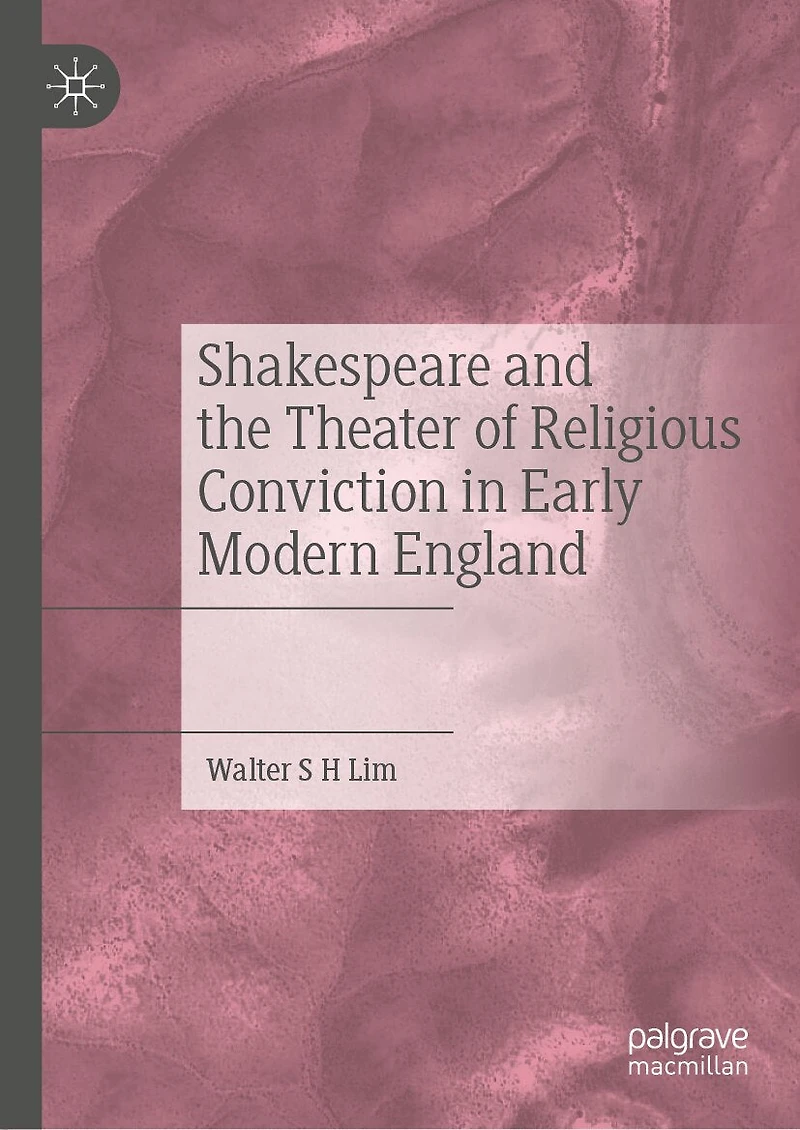
Shakespeare and the Theater of Religious Conviction Early Modern England in Ottawa, ON
Current price: $189.95

Shakespeare and the Theater of Religious Conviction Early Modern England in Ottawa, ON
Current price: $189.95
Loading Inventory...
Size: Hardcover
*Product information may vary - to confirm product availability, pricing, shipping and return information please contact Coles
This book analyzes Shakespeare's use of biblical allusions and evocation of doctrinal topics in Hamlet , Measure for Measure , The Winter's Tale , Richard II, and The Merchant of Venice . It identifies references to theological and doctrinal commonplaces such as sin, grace, confession, damnation, and the Fall in these plays, affirming that Shakespeare's literary imagination is very much influenced by his familiarity with the Bible and also with matters of church doctrine. This theological and doctrinal subject matter also derives its significance from genres as diverse as travel narratives, sermons, political treatises, and royal proclamations. This study looks at how Shakespeare's deployment of religious topics interacts with ideas circulating via other cultural texts and genres in society. It also analyzes how religion enables Shakespeare's engagement with cultural debates and political developments in England: absolutism and law; radical political theory; morality and law; and conceptions of nationhood.
This book analyzes Shakespeare's use of biblical allusions and evocation of doctrinal topics in Hamlet , Measure for Measure , The Winter's Tale , Richard II, and The Merchant of Venice . It identifies references to theological and doctrinal commonplaces such as sin, grace, confession, damnation, and the Fall in these plays, affirming that Shakespeare's literary imagination is very much influenced by his familiarity with the Bible and also with matters of church doctrine. This theological and doctrinal subject matter also derives its significance from genres as diverse as travel narratives, sermons, political treatises, and royal proclamations. This study looks at how Shakespeare's deployment of religious topics interacts with ideas circulating via other cultural texts and genres in society. It also analyzes how religion enables Shakespeare's engagement with cultural debates and political developments in England: absolutism and law; radical political theory; morality and law; and conceptions of nationhood.
You May Also Like








More About Coles at Bayshore Shopping Centre
Coles is renowned for its outstanding customer service and great selection of books. Along with the vast array of magazines, stationary, audio-books, children's literature, fiction, non-fiction and reference books, you can find accessories to make your reading experience more pleasurable. We can recommend the very best in reading today. We will help you search our titles for exactly what you need, and if we do not have it in stock, we will order it for you.
100 Bayshore Dr, Nepean, ON K2B 8C1, Canada
Find Coles at Bayshore Shopping Centre in Ottawa, ON
Visit Coles at Bayshore Shopping Centre in Ottawa, ON