

Give the Gift of Choice!
Too many options? Treat your friends and family to their favourite stores with a Bayshore Shopping Centre gift card, redeemable at participating retailers throughout the centre. Click below to purchase yours today!Purchase HereHome
Shakespeare's A Midsummer Night's Dream
Coles
Loading Inventory...
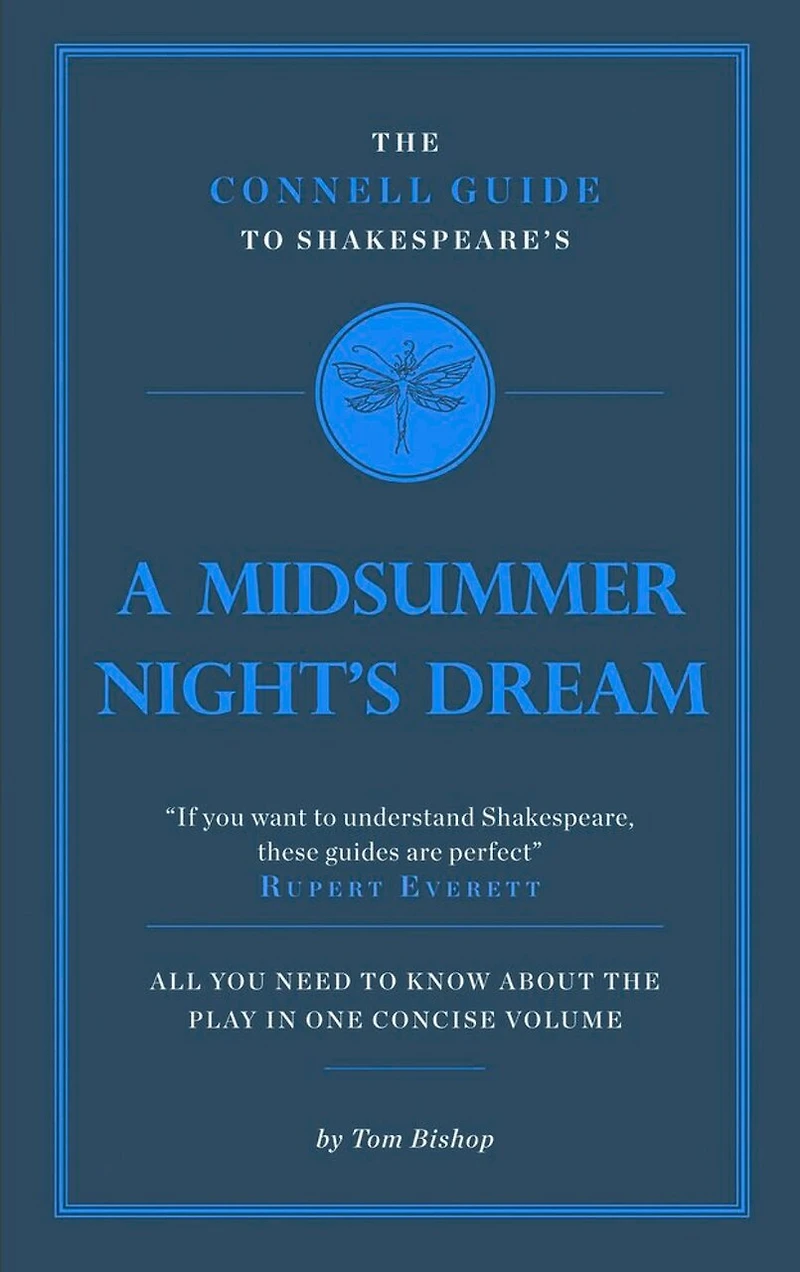
Shakespeare's A Midsummer Night's Dream in Ottawa, ON
Current price: $16.99

Shakespeare's A Midsummer Night's Dream in Ottawa, ON
Current price: $16.99
Loading Inventory...
Size: Paperback
*Product information may vary - to confirm product availability, pricing, shipping and return information please contact Coles
What explains the special quality of A Midsummer Night’s Dream? Samuel Johnson called the play “wild and fantastical”, noting how “all the parts in their various modes are well written and give the kind of pleasure which the author designed”. The 19th-century critic William Hazlitt wrote, in the play’s own imagery, of his “wandering in a grove by moonlight” through “a sweetness like odours thrown from beds of flowers”. For these critics, the variety of language, character and incident on offer in the Dream was particularly pleasant and happy, and suited what they saw as the overall bent of the play towards happiness. G. K. Chesterton responded to “a spirit that unites mankind” in “the mysticism of happiness” and of the play’s “pure poetry and intoxication of words”, “the amazing artistic and moral beauty” of its design. As Tom Bishop says in this thoughtful guide to the play, one can acknowledge all this, and yet also note how the brightness of that design is full of shadow. Indeed, “shadow” is an important word in the play; the very actors who present it are finally called “shadows”. If the play celebrates happiness, it also knows something sadder, not only that unhappiness is possible but that happiness itself may be maintained only by a fragile resolution, perhaps by mere good fortune. Happiness is a kind of gift, perhaps even a kind of grace. In this play, the gift is not withheld, but the play remains very much aware of how it might be, of what slight turn would produce a very different outcome, one not less true to its picture of human life, if less lucky.
What explains the special quality of A Midsummer Night’s Dream? Samuel Johnson called the play “wild and fantastical”, noting how “all the parts in their various modes are well written and give the kind of pleasure which the author designed”. The 19th-century critic William Hazlitt wrote, in the play’s own imagery, of his “wandering in a grove by moonlight” through “a sweetness like odours thrown from beds of flowers”. For these critics, the variety of language, character and incident on offer in the Dream was particularly pleasant and happy, and suited what they saw as the overall bent of the play towards happiness. G. K. Chesterton responded to “a spirit that unites mankind” in “the mysticism of happiness” and of the play’s “pure poetry and intoxication of words”, “the amazing artistic and moral beauty” of its design. As Tom Bishop says in this thoughtful guide to the play, one can acknowledge all this, and yet also note how the brightness of that design is full of shadow. Indeed, “shadow” is an important word in the play; the very actors who present it are finally called “shadows”. If the play celebrates happiness, it also knows something sadder, not only that unhappiness is possible but that happiness itself may be maintained only by a fragile resolution, perhaps by mere good fortune. Happiness is a kind of gift, perhaps even a kind of grace. In this play, the gift is not withheld, but the play remains very much aware of how it might be, of what slight turn would produce a very different outcome, one not less true to its picture of human life, if less lucky.
You May Also Like















More About Coles at Bayshore Shopping Centre
Coles is renowned for its outstanding customer service and great selection of books. Along with the vast array of magazines, stationary, audio-books, children's literature, fiction, non-fiction and reference books, you can find accessories to make your reading experience more pleasurable. We can recommend the very best in reading today. We will help you search our titles for exactly what you need, and if we do not have it in stock, we will order it for you.
100 Bayshore Dr, Nepean, ON K2B 8C1, Canada
Find Coles at Bayshore Shopping Centre in Ottawa, ON
Visit Coles at Bayshore Shopping Centre in Ottawa, ON