

Give the Gift of Choice!
Too many options? Treat your friends and family to their favourite stores with a Bayshore Shopping Centre gift card, redeemable at participating retailers throughout the centre. Click below to purchase yours today!Purchase HereHome
Shakespeare’s Golden Ages: Resisting Nostalgia Elizabethan Drama
Coles
Loading Inventory...
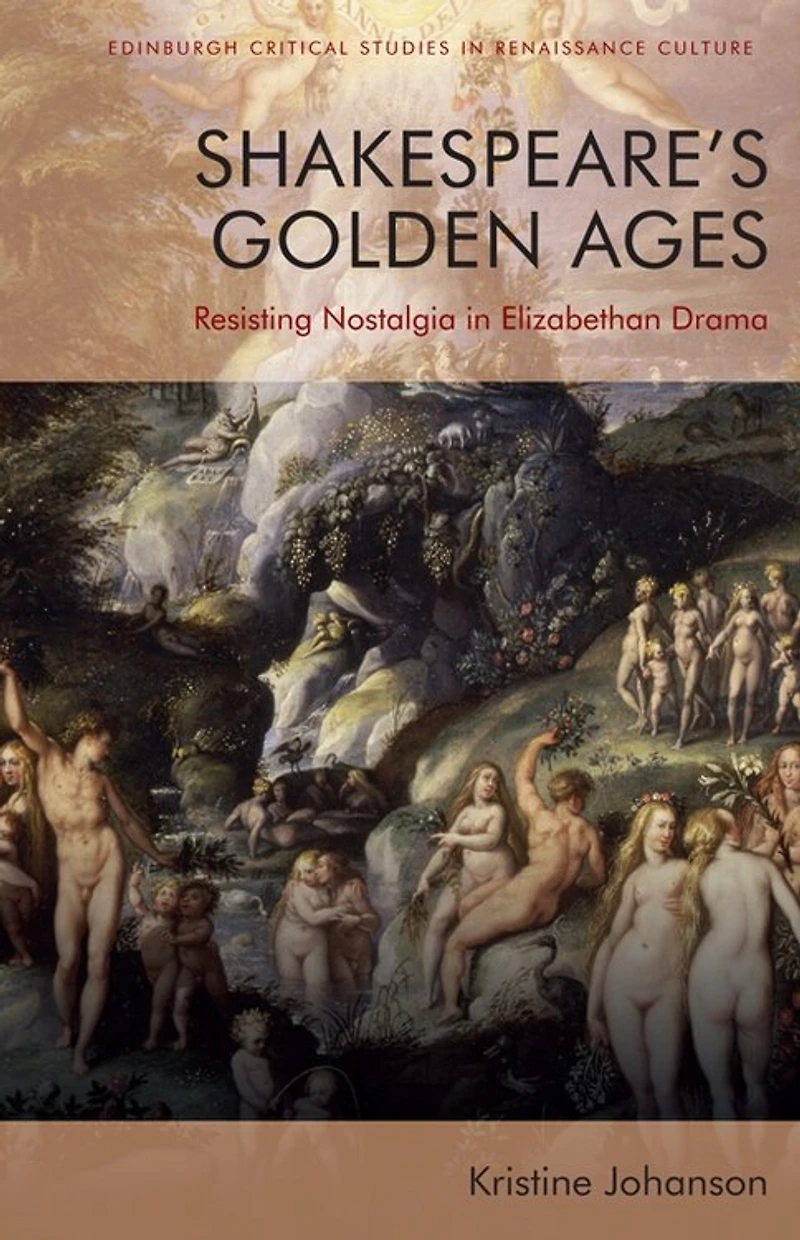
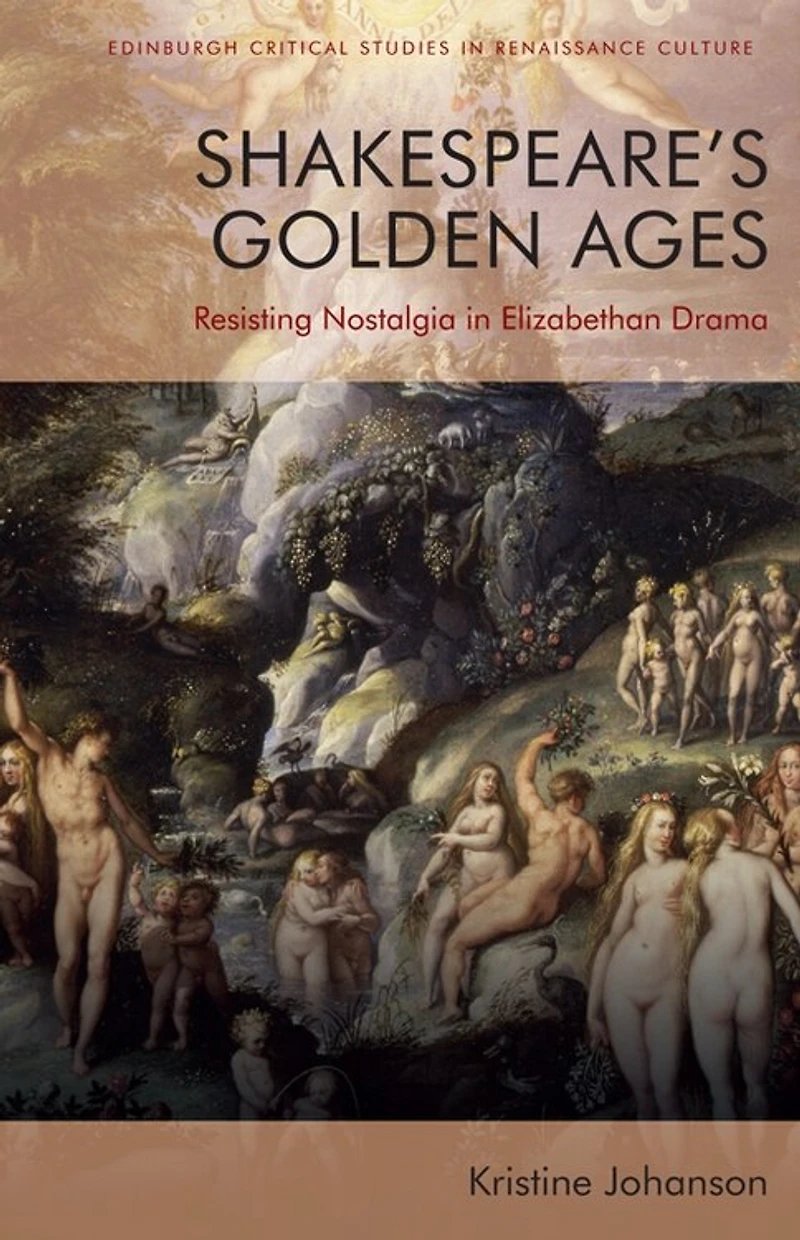
Shakespeare’s Golden Ages: Resisting Nostalgia Elizabethan Drama in Ottawa, ON
Current price: $157.78

Shakespeare’s Golden Ages: Resisting Nostalgia Elizabethan Drama in Ottawa, ON
Current price: $157.78
Loading Inventory...
Size: Hardcover
*Product information may vary - to confirm product availability, pricing, shipping and return information please contact Coles
Diverging from critical paths that have focused on nostalgia as a memorializing practice or on Stuart nostalgia for Elizabeth, this book argues that Shakespeare’s Elizabethan history plays stage nostalgia as a future-focused political rhetoric. In doing so, the book suggests new directions for studying nostalgia. Case studies including Richard II and Julius Caesar demonstrate how Shakespeare creates a dramatic argument for nostalgia’s power and possibility, even as he represents the fruitlessness of trying to reclaim the past and the fiction of that past's ideal nature. In his dramaturgy, nostalgia functions as a persuasive call for (short-lived) political change. The book provides new interpretations of Shakespeare’s contemporaries to illustrate how his use of nostalgia depends on, innovates from and influences his fellow playwrights. By reading literary, religious and political texts alongside Shakespeare's histories, this book attends additionally to the extra-dramatic valences nostalgic rhetoric obtains in Elizabethan England.
Diverging from critical paths that have focused on nostalgia as a memorializing practice or on Stuart nostalgia for Elizabeth, this book argues that Shakespeare’s Elizabethan history plays stage nostalgia as a future-focused political rhetoric. In doing so, the book suggests new directions for studying nostalgia. Case studies including Richard II and Julius Caesar demonstrate how Shakespeare creates a dramatic argument for nostalgia’s power and possibility, even as he represents the fruitlessness of trying to reclaim the past and the fiction of that past's ideal nature. In his dramaturgy, nostalgia functions as a persuasive call for (short-lived) political change. The book provides new interpretations of Shakespeare’s contemporaries to illustrate how his use of nostalgia depends on, innovates from and influences his fellow playwrights. By reading literary, religious and political texts alongside Shakespeare's histories, this book attends additionally to the extra-dramatic valences nostalgic rhetoric obtains in Elizabethan England.
You May Also Like
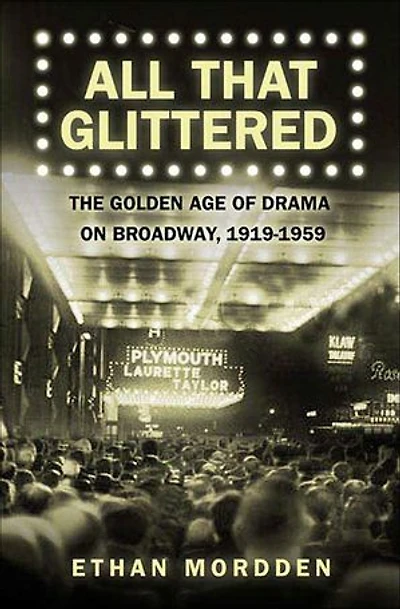

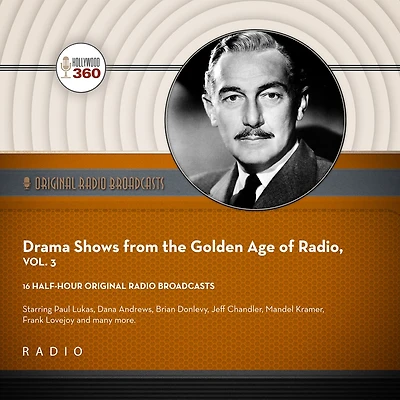













More About Coles at Bayshore Shopping Centre
Coles is renowned for its outstanding customer service and great selection of books. Along with the vast array of magazines, stationary, audio-books, children's literature, fiction, non-fiction and reference books, you can find accessories to make your reading experience more pleasurable. We can recommend the very best in reading today. We will help you search our titles for exactly what you need, and if we do not have it in stock, we will order it for you.
100 Bayshore Dr, Nepean, ON K2B 8C1, Canada
Find Coles at Bayshore Shopping Centre in Ottawa, ON
Visit Coles at Bayshore Shopping Centre in Ottawa, ON