

Give the Gift of Choice!
Too many options? Treat your friends and family to their favourite stores with a Bayshore Shopping Centre gift card, redeemable at participating retailers throughout the centre. Click below to purchase yours today!Purchase HereHome
Shakespeare's White Others
Coles
Loading Inventory...
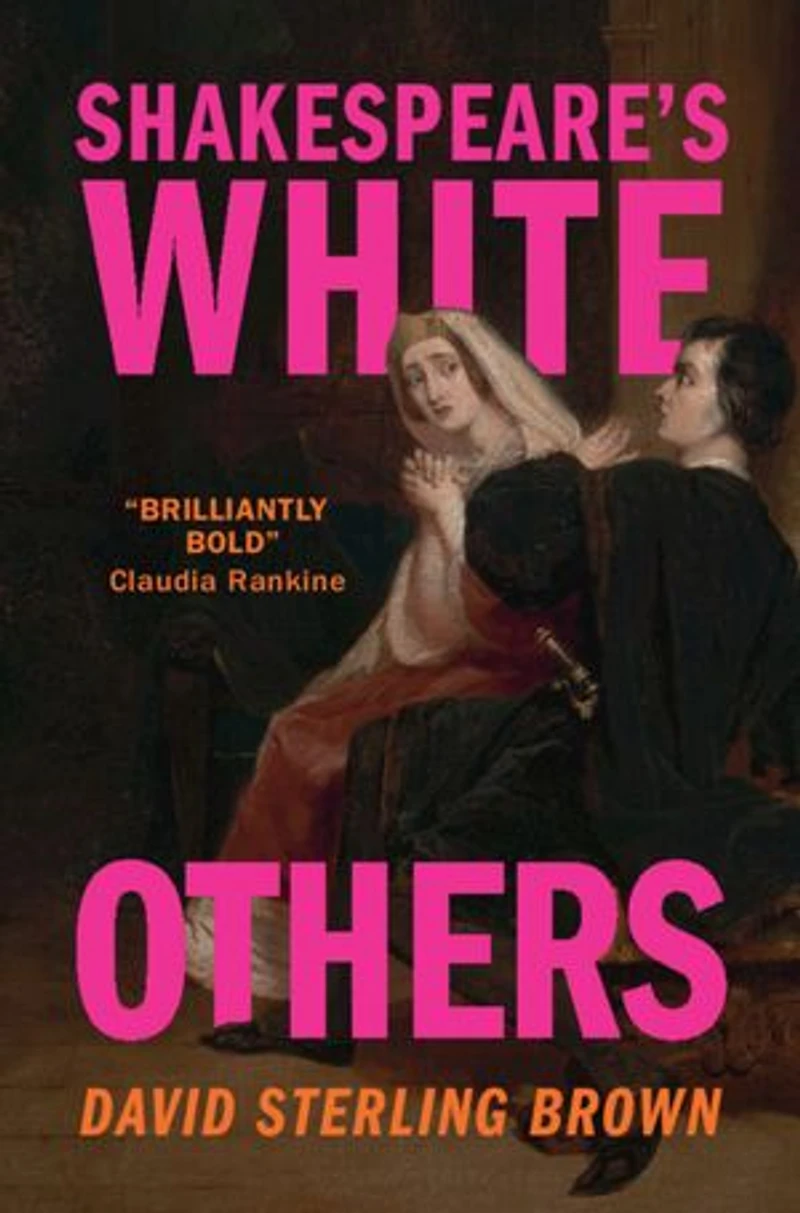
Shakespeare's White Others in Ottawa, ON
Current price: $23.99
Original price: $29.95

Shakespeare's White Others in Ottawa, ON
Current price: $23.99
Original price: $29.95
Loading Inventory...
Size: Kobo eBook
*Product information may vary - to confirm product availability, pricing, shipping and return information please contact Coles
Examining the racially white 'others' whom Shakespeare creates in characters like Richard III, Hamlet and Tamora – figures who are never quite 'white enough' – this bold and compelling work emphasises how such classification perpetuates anti-Blackness and re-affirms white supremacy. David Sterling Brown offers nothing less here than a wholesale deconstruction of whiteness in Shakespeare's plays, arguing that the 'white other' was a racialized category already in formation during the Elizabethan era – and also one to which Shakespeare was himself a crucial contributor. In exploring Shakespeare's determinative role and strategic investment in identity politics (while drawing powerfully on his own life experiences, including adolescence), the author argues that even as Shakespearean theatrical texts functioned as engines of white identity formation, they expose the illusion of white racial solidarity. This essential contribution to Shakespeare studies, critical whiteness studies and critical race studies is an authoritative, urgent dismantling of dramatized racial profiling.
Examining the racially white 'others' whom Shakespeare creates in characters like Richard III, Hamlet and Tamora – figures who are never quite 'white enough' – this bold and compelling work emphasises how such classification perpetuates anti-Blackness and re-affirms white supremacy. David Sterling Brown offers nothing less here than a wholesale deconstruction of whiteness in Shakespeare's plays, arguing that the 'white other' was a racialized category already in formation during the Elizabethan era – and also one to which Shakespeare was himself a crucial contributor. In exploring Shakespeare's determinative role and strategic investment in identity politics (while drawing powerfully on his own life experiences, including adolescence), the author argues that even as Shakespearean theatrical texts functioned as engines of white identity formation, they expose the illusion of white racial solidarity. This essential contribution to Shakespeare studies, critical whiteness studies and critical race studies is an authoritative, urgent dismantling of dramatized racial profiling.
You May Also Like











More About Coles at Bayshore Shopping Centre
Coles is renowned for its outstanding customer service and great selection of books. Along with the vast array of magazines, stationary, audio-books, children's literature, fiction, non-fiction and reference books, you can find accessories to make your reading experience more pleasurable. We can recommend the very best in reading today. We will help you search our titles for exactly what you need, and if we do not have it in stock, we will order it for you.
100 Bayshore Dr, Nepean, ON K2B 8C1, Canada
Find Coles at Bayshore Shopping Centre in Ottawa, ON
Visit Coles at Bayshore Shopping Centre in Ottawa, ON