

Give the Gift of Choice!
Too many options? Treat your friends and family to their favourite stores with a Bayshore Shopping Centre gift card, redeemable at participating retailers throughout the centre. Click below to purchase yours today!Purchase HereHome
Sika Deer: Biology and Management of Native Introduced Populations
Coles
Loading Inventory...
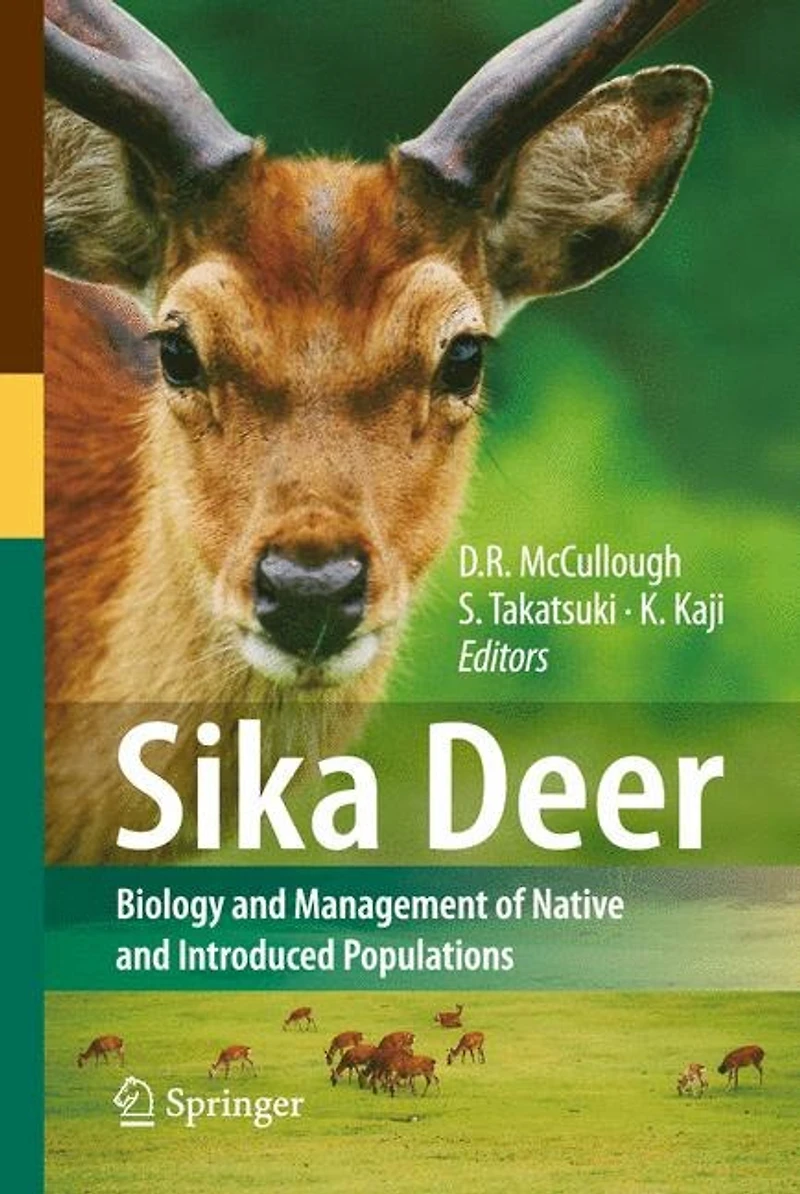
Sika Deer: Biology and Management of Native Introduced Populations in Ottawa, ON
Current price: $640.95

Sika Deer: Biology and Management of Native Introduced Populations in Ottawa, ON
Current price: $640.95
Loading Inventory...
Size: Hardcover
*Product information may vary - to confirm product availability, pricing, shipping and return information please contact Coles
Sika deer, the graceful spotted deer of Japanese and Chinese art, originally were native to Asia from far-east Russia to Vietnam to the islands of Japan and Taiwan. They are widely raised in captivity to supply velvet antler for traditional medicine. They also were introduced to Europe, North America, and New Zealand, where they compete or interbreed with native deer. Sika deer typically occupy lowland hardwood forests with low winter snow depths, where they thrive in sites disturbed by fire, storm, or logging. In high numbers they can severely impact vegetation though overgrazing, stripping bark from trees and damaging crop fields and forest plantations. Their numbers are high in many parts of Japan, moderate in Russia, and reduced or extinct in the wild in China, Korea, Vietnam, and Taiwan. This book explores their basic biology, behavior, and ecology, including management for sport hunting, conservation or recovery of threatened populations, and resolution of conflict with humans in native and introduced lands.
Sika deer, the graceful spotted deer of Japanese and Chinese art, originally were native to Asia from far-east Russia to Vietnam to the islands of Japan and Taiwan. They are widely raised in captivity to supply velvet antler for traditional medicine. They also were introduced to Europe, North America, and New Zealand, where they compete or interbreed with native deer. Sika deer typically occupy lowland hardwood forests with low winter snow depths, where they thrive in sites disturbed by fire, storm, or logging. In high numbers they can severely impact vegetation though overgrazing, stripping bark from trees and damaging crop fields and forest plantations. Their numbers are high in many parts of Japan, moderate in Russia, and reduced or extinct in the wild in China, Korea, Vietnam, and Taiwan. This book explores their basic biology, behavior, and ecology, including management for sport hunting, conservation or recovery of threatened populations, and resolution of conflict with humans in native and introduced lands.
You May Also Like











More About Coles at Bayshore Shopping Centre
Coles is renowned for its outstanding customer service and great selection of books. Along with the vast array of magazines, stationary, audio-books, children's literature, fiction, non-fiction and reference books, you can find accessories to make your reading experience more pleasurable. We can recommend the very best in reading today. We will help you search our titles for exactly what you need, and if we do not have it in stock, we will order it for you.
100 Bayshore Dr, Nepean, ON K2B 8C1, Canada
Find Coles at Bayshore Shopping Centre in Ottawa, ON
Visit Coles at Bayshore Shopping Centre in Ottawa, ON