

Give the Gift of Choice!
Too many options? Treat your friends and family to their favourite stores with a Bayshore Shopping Centre gift card, redeemable at participating retailers throughout the centre. Click below to purchase yours today!Purchase HereHome
Silence is Not Golden: Strategies for Helping the Shy Child
Coles
Loading Inventory...
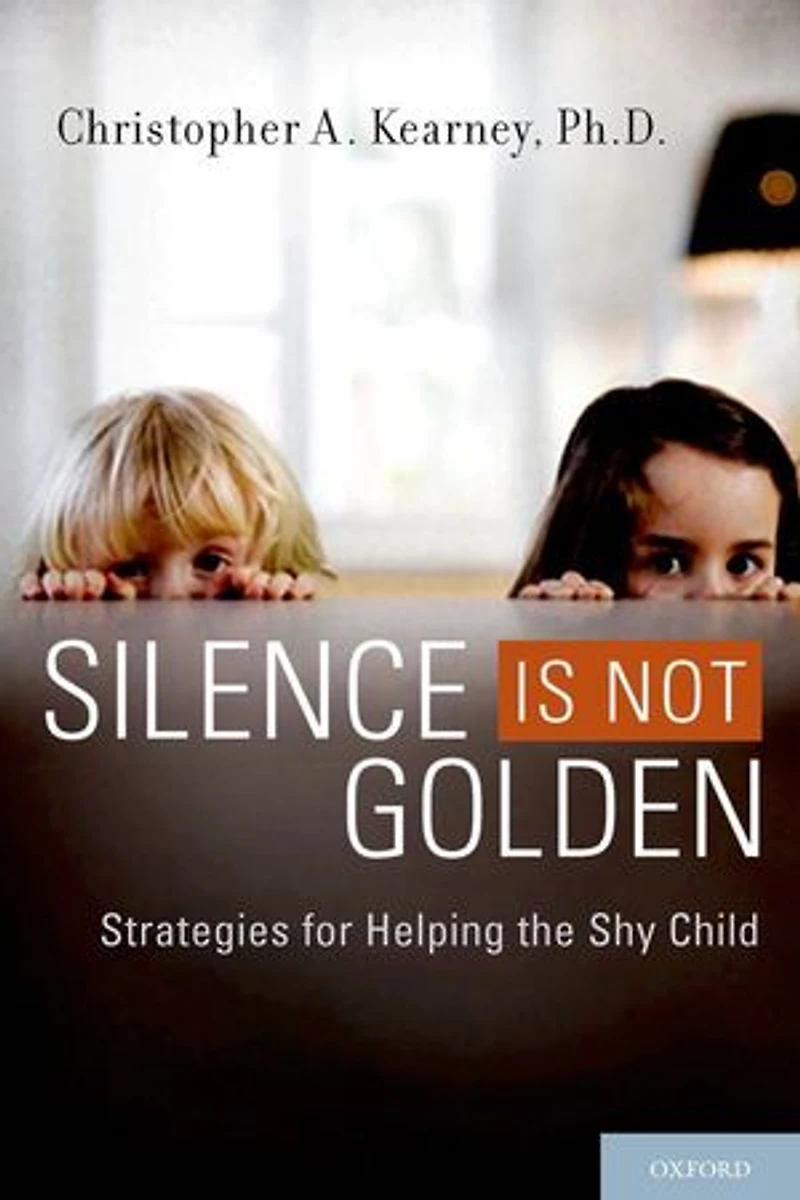
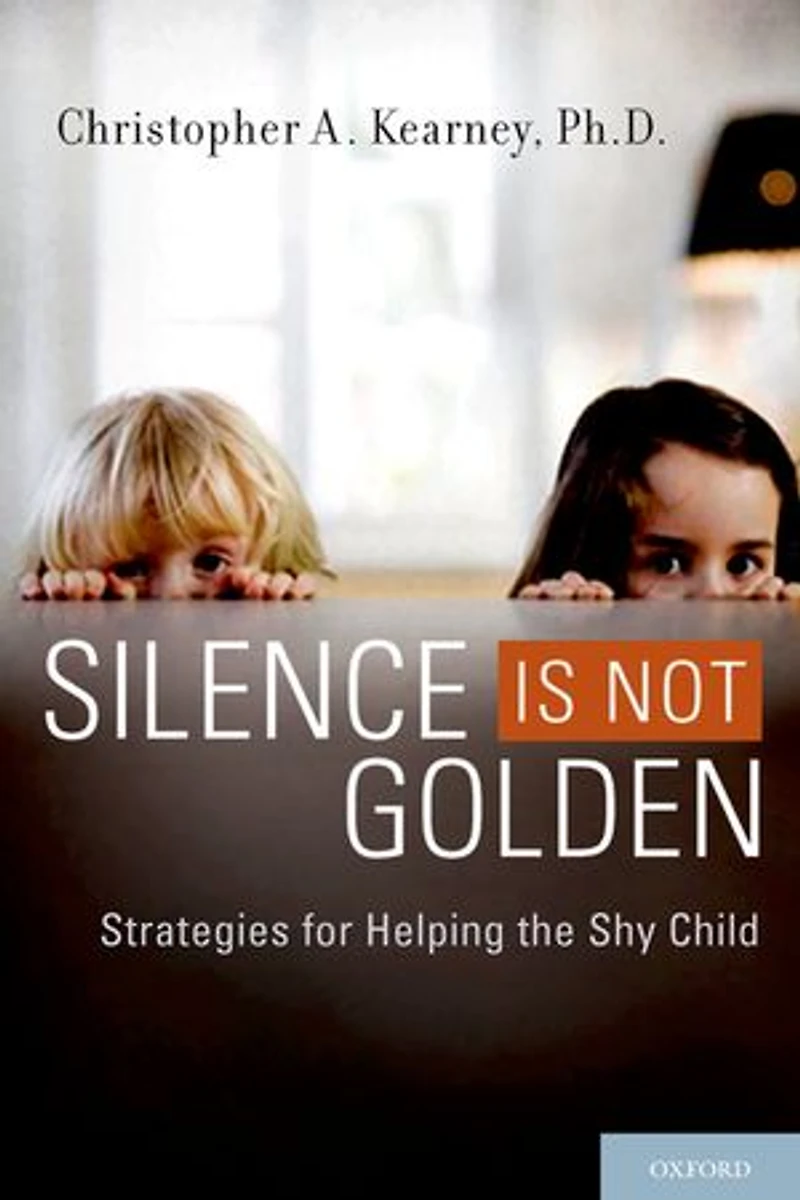
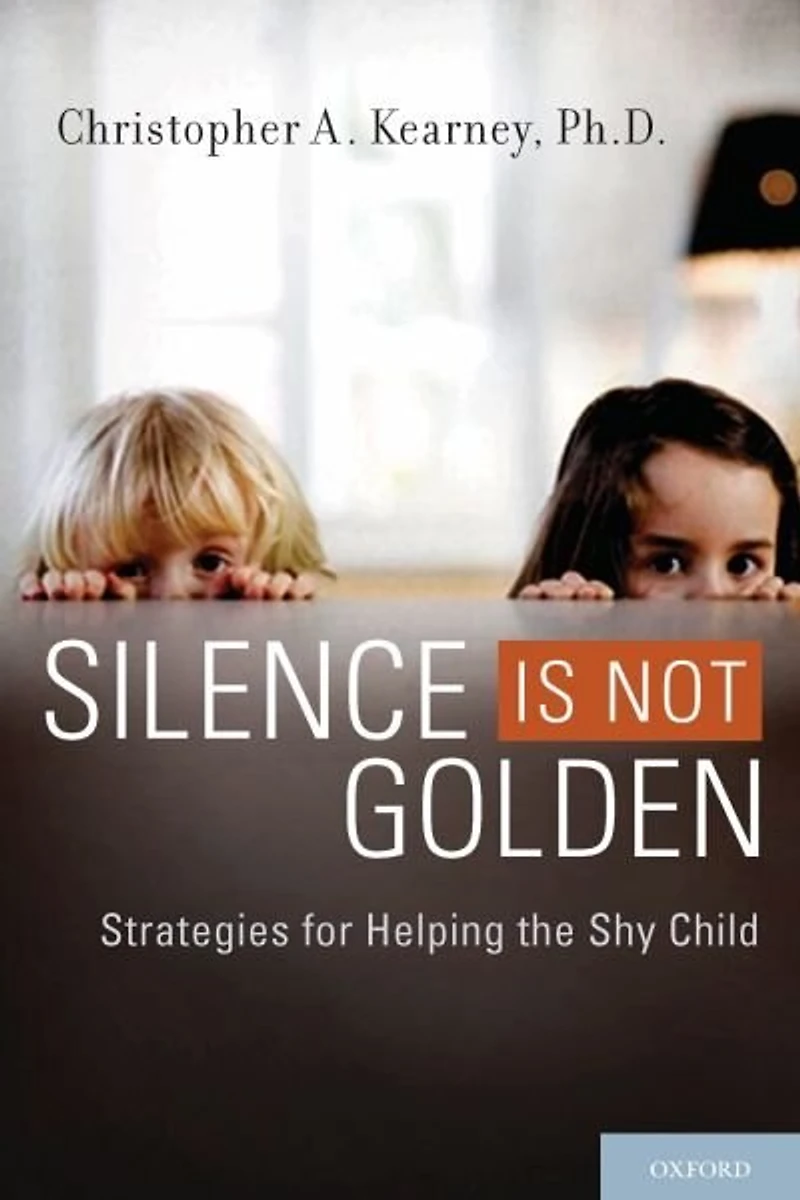
Silence is Not Golden: Strategies for Helping the Shy Child in Ottawa, ON
Current price: $21.59
Original price: $26.99

Silence is Not Golden: Strategies for Helping the Shy Child in Ottawa, ON
Current price: $21.59
Original price: $26.99
Loading Inventory...
Size: Kobo eBook (2016 A)
*Product information may vary - to confirm product availability, pricing, shipping and return information please contact Coles
Chronic shyness can pose a serious threat to a child's academic, emotional, and social development. Children who are extremely shy may miss out on important learning opportunities, have trouble making friends, and avoid activities and events that they might otherwise enjoy. This can be troubling for parents and school-based professionals who do not have enough time or expertise to coax shy children out of their shells.
Silence is Not Golden: Strategies for Helping the Shy Child provides information for parents and educators on the nature of chronic shyness and its most common clinical manifestations among children (such as social anxiety and selective mutism, the refusal to talk in certain situations or settings). Kearney, an expert in childhood anxiety disorders, offers strategies for helping readers to determine the form and purpose of a child's shy, anxious, and avoidant behaviors, and methods for enhancing a child's participation in social interactions at school and elsewhere, with the ultimate goal of preventing such problems from recurring in the future. Alongside social anxiety and selective mutism, other types of anxiety that may cause a child to appear shy in more specific situations-such as separation anxiety and certain phobias-are also discussed. Presented in a conversational style, Silence is Not Golden features widespread visuals, open spaces for writing, step-by-step procedures, and other pedagogical features that enhance its utility, clarity, and responsiveness. This book is a must-read for parents and teachers, as well as professionals who work with shy children, including clinical child psychologists and psychiatrists, social workers, and pediatricians.
Chronic shyness can pose a serious threat to a child's academic, emotional, and social development. Children who are extremely shy may miss out on important learning opportunities, have trouble making friends, and avoid activities and events that they might otherwise enjoy. This can be troubling for parents and school-based professionals who do not have enough time or expertise to coax shy children out of their shells.
Silence is Not Golden: Strategies for Helping the Shy Child provides information for parents and educators on the nature of chronic shyness and its most common clinical manifestations among children (such as social anxiety and selective mutism, the refusal to talk in certain situations or settings). Kearney, an expert in childhood anxiety disorders, offers strategies for helping readers to determine the form and purpose of a child's shy, anxious, and avoidant behaviors, and methods for enhancing a child's participation in social interactions at school and elsewhere, with the ultimate goal of preventing such problems from recurring in the future. Alongside social anxiety and selective mutism, other types of anxiety that may cause a child to appear shy in more specific situations-such as separation anxiety and certain phobias-are also discussed. Presented in a conversational style, Silence is Not Golden features widespread visuals, open spaces for writing, step-by-step procedures, and other pedagogical features that enhance its utility, clarity, and responsiveness. This book is a must-read for parents and teachers, as well as professionals who work with shy children, including clinical child psychologists and psychiatrists, social workers, and pediatricians.
You May Also Like












More About Coles at Bayshore Shopping Centre
Coles is renowned for its outstanding customer service and great selection of books. Along with the vast array of magazines, stationary, audio-books, children's literature, fiction, non-fiction and reference books, you can find accessories to make your reading experience more pleasurable. We can recommend the very best in reading today. We will help you search our titles for exactly what you need, and if we do not have it in stock, we will order it for you.
100 Bayshore Dr, Nepean, ON K2B 8C1, Canada
Find Coles at Bayshore Shopping Centre in Ottawa, ON
Visit Coles at Bayshore Shopping Centre in Ottawa, ON