

Give the Gift of Choice!
Too many options? Treat your friends and family to their favourite stores with a Bayshore Shopping Centre gift card, redeemable at participating retailers throughout the centre. Click below to purchase yours today!Purchase HereHome
Simplicius: on Aristotle the Heavens 1.3-4
Coles
Loading Inventory...
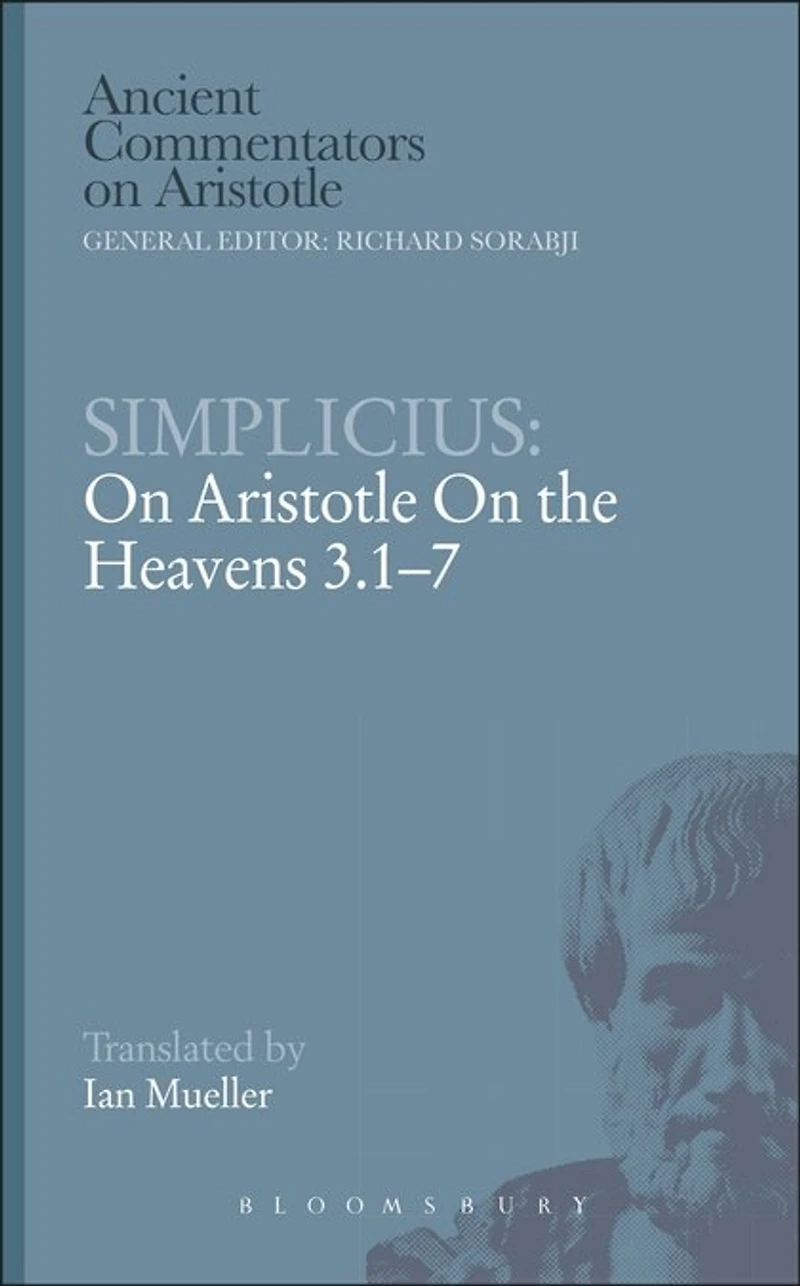
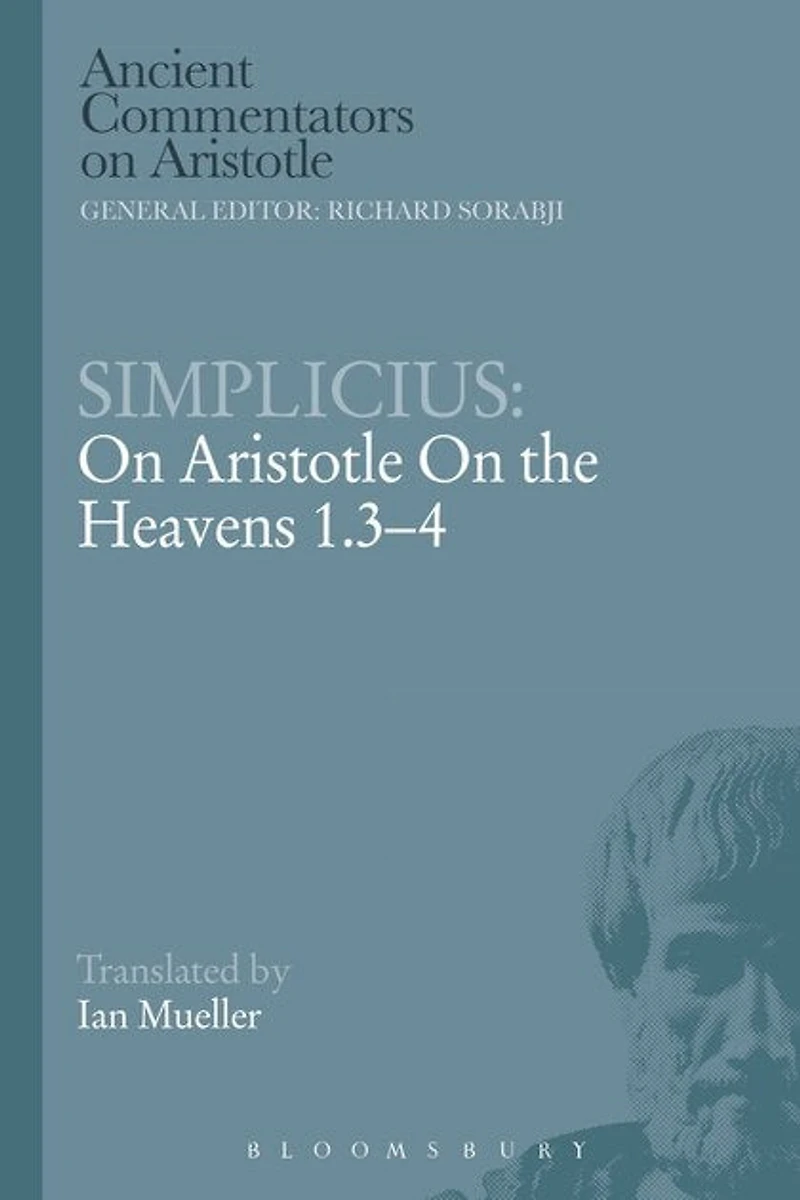
Simplicius: on Aristotle the Heavens 1.3-4 in Ottawa, ON
Current price: $321.50

Simplicius: on Aristotle the Heavens 1.3-4 in Ottawa, ON
Current price: $321.50
Loading Inventory...
Size: Hardcover (2009)
*Product information may vary - to confirm product availability, pricing, shipping and return information please contact Coles
This is the first English translation of Simplicius' responses to Philoponus' Against Aristotle on the Eternity of the World. The commentary is published in two volumes: Ian Mueller's previous book in the series, Simplicius: On Aristotle On the Heavens 1.2-3 , and this book on 1.3-4. Philoponus, the Christian, had argued that Aristotle's arguments do not succeed. For all they show to the contrary, Christianity may be right that the heavens were brought into existence by the only divine being and one moment in time, and will cease to exist at some future moment. Simplicius upholds the pagan view that the heavens are eternal and divine, and argues that their eternity is shown by their astronomical movements coupled with certain principles of Aristotle. The English translation in this volume is accompanied by a detailed introduction, extensive commentary notes and a bibliography.
This is the first English translation of Simplicius' responses to Philoponus' Against Aristotle on the Eternity of the World. The commentary is published in two volumes: Ian Mueller's previous book in the series, Simplicius: On Aristotle On the Heavens 1.2-3 , and this book on 1.3-4. Philoponus, the Christian, had argued that Aristotle's arguments do not succeed. For all they show to the contrary, Christianity may be right that the heavens were brought into existence by the only divine being and one moment in time, and will cease to exist at some future moment. Simplicius upholds the pagan view that the heavens are eternal and divine, and argues that their eternity is shown by their astronomical movements coupled with certain principles of Aristotle. The English translation in this volume is accompanied by a detailed introduction, extensive commentary notes and a bibliography.
You May Also Like













More About Coles at Bayshore Shopping Centre
Coles is renowned for its outstanding customer service and great selection of books. Along with the vast array of magazines, stationary, audio-books, children's literature, fiction, non-fiction and reference books, you can find accessories to make your reading experience more pleasurable. We can recommend the very best in reading today. We will help you search our titles for exactly what you need, and if we do not have it in stock, we will order it for you.
100 Bayshore Dr, Nepean, ON K2B 8C1, Canada
Find Coles at Bayshore Shopping Centre in Ottawa, ON
Visit Coles at Bayshore Shopping Centre in Ottawa, ON