

Give the Gift of Choice!
Too many options? Treat your friends and family to their favourite stores with a Bayshore Shopping Centre gift card, redeemable at participating retailers throughout the centre. Click below to purchase yours today!Purchase HereHome
Since the Boom: Continuity and Change in the Western Industrialized World after 1970
Coles
Loading Inventory...
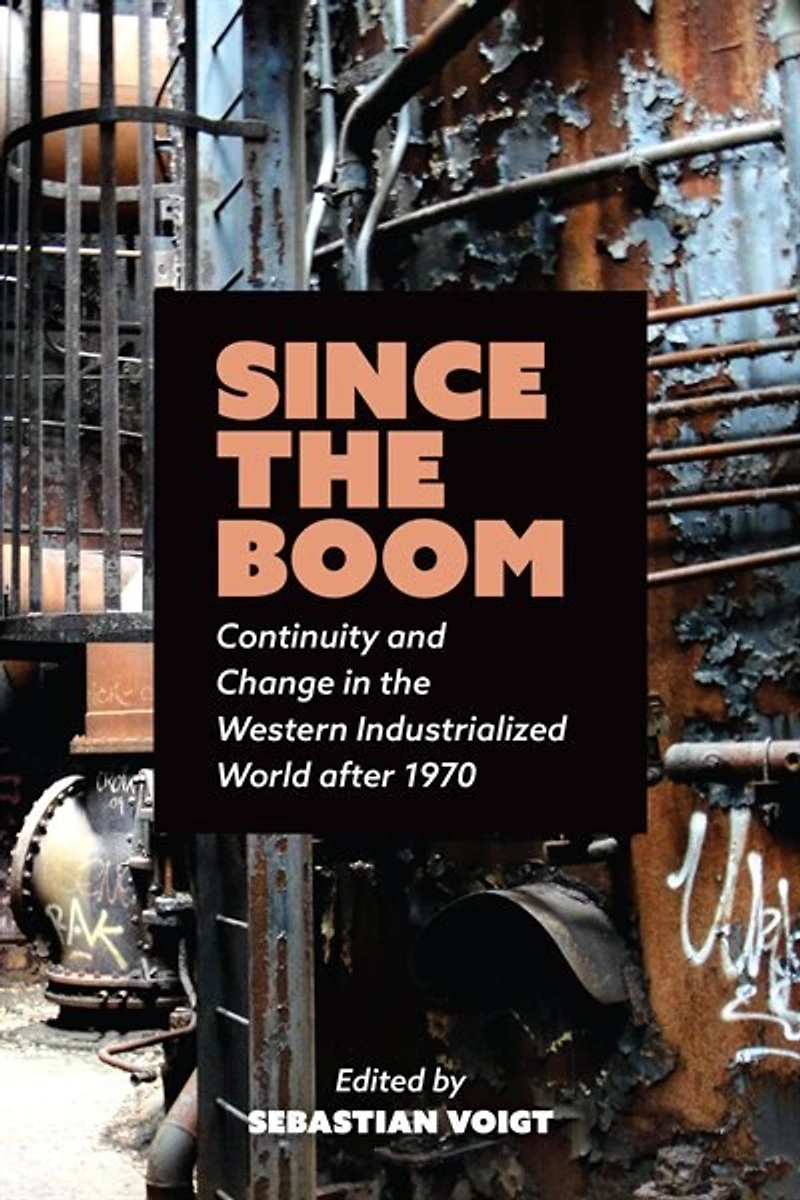
Since the Boom: Continuity and Change in the Western Industrialized World after 1970 in Ottawa, ON
Current price: $97.11

Since the Boom: Continuity and Change in the Western Industrialized World after 1970 in Ottawa, ON
Current price: $97.11
Loading Inventory...
Size: Hardcover
*Product information may vary - to confirm product availability, pricing, shipping and return information please contact Coles
The 1970s are of particular relevance for understanding the socio-economic changes still shaping Western societies today. The collapse of traditional manufacturing industries like coal and steel, shipbuilding, and printing, as well as the rise of the service sector, contributed to a notable sense of decline and radical transformation.
Building on the seminal work of Lutz Raphael and Anselm Doering-Manteuffel, Nach dem Boom, which identified a "social transformation of revolutionary quality" that ushered in "digital financial capitalism," this volume features a series of essays that reconsider the idea of a structural break in the 1970s. Contributors draw on case studies from France, the Netherlands, the UK, the US, and Germany to examine the validity of the "after the boom" hypothesis. Since the Boom attempts to bridge the gap between the English and highly productive German debates on the 1970s.
The 1970s are of particular relevance for understanding the socio-economic changes still shaping Western societies today. The collapse of traditional manufacturing industries like coal and steel, shipbuilding, and printing, as well as the rise of the service sector, contributed to a notable sense of decline and radical transformation.
Building on the seminal work of Lutz Raphael and Anselm Doering-Manteuffel, Nach dem Boom, which identified a "social transformation of revolutionary quality" that ushered in "digital financial capitalism," this volume features a series of essays that reconsider the idea of a structural break in the 1970s. Contributors draw on case studies from France, the Netherlands, the UK, the US, and Germany to examine the validity of the "after the boom" hypothesis. Since the Boom attempts to bridge the gap between the English and highly productive German debates on the 1970s.
You May Also Like















More About Coles at Bayshore Shopping Centre
Coles is renowned for its outstanding customer service and great selection of books. Along with the vast array of magazines, stationary, audio-books, children's literature, fiction, non-fiction and reference books, you can find accessories to make your reading experience more pleasurable. We can recommend the very best in reading today. We will help you search our titles for exactly what you need, and if we do not have it in stock, we will order it for you.
100 Bayshore Dr, Nepean, ON K2B 8C1, Canada
Find Coles at Bayshore Shopping Centre in Ottawa, ON
Visit Coles at Bayshore Shopping Centre in Ottawa, ON