

Give the Gift of Choice!
Too many options? Treat your friends and family to their favourite stores with a Bayshore Shopping Centre gift card, redeemable at participating retailers throughout the centre. Click below to purchase yours today!Purchase HereHome
Skepticism and Belief Early Modern England: The Reformation of Moral Value
Coles
Loading Inventory...
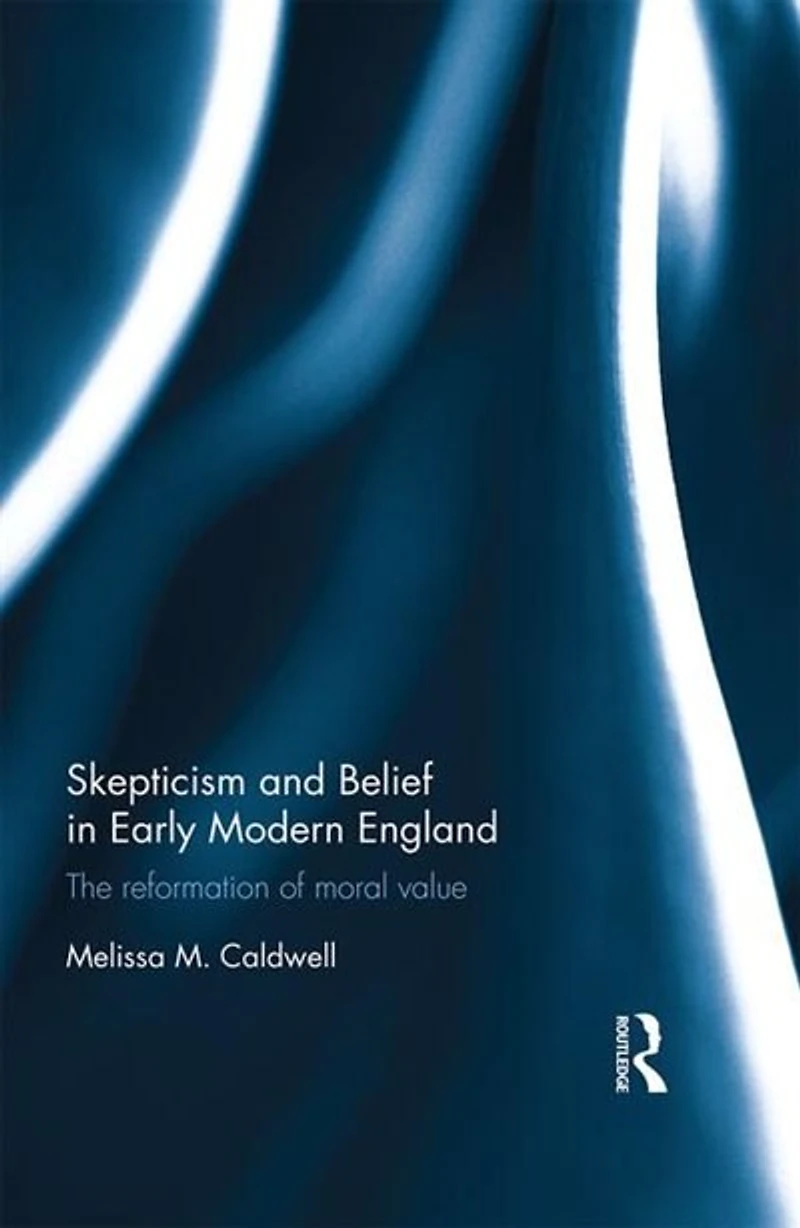
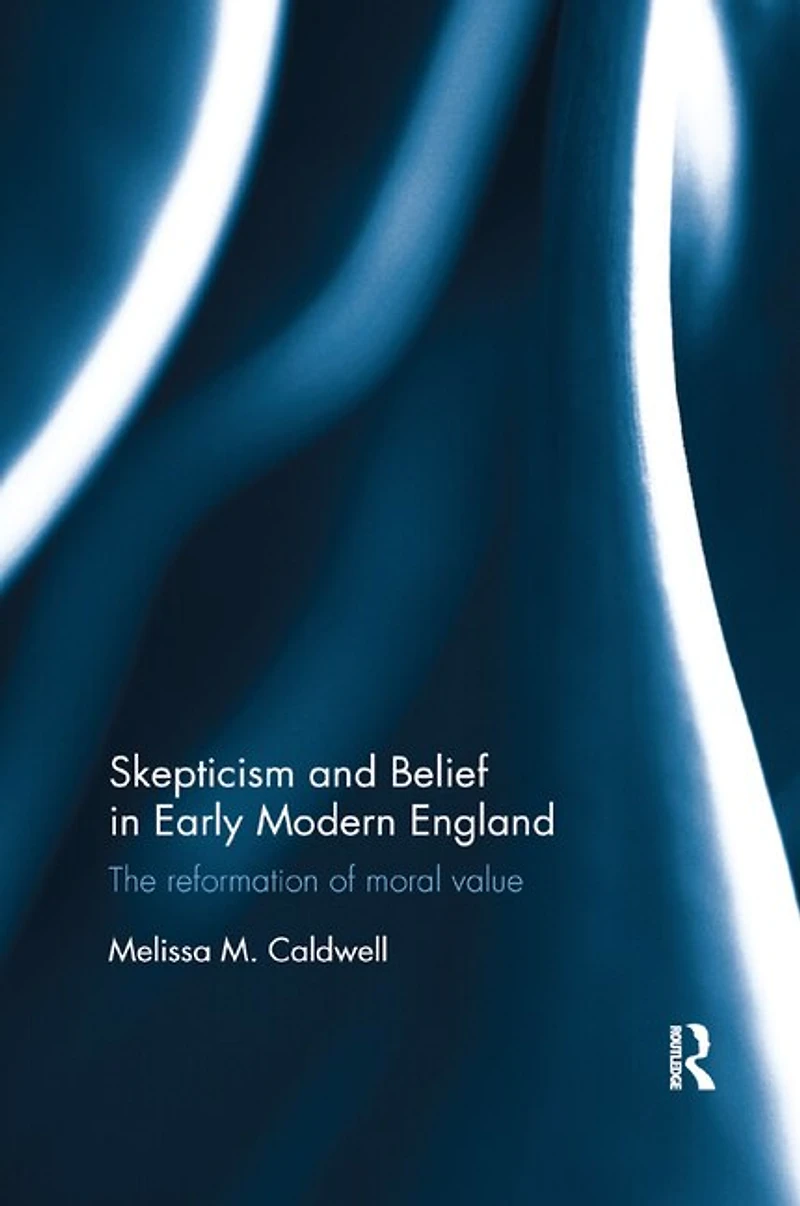
Skepticism and Belief Early Modern England: The Reformation of Moral Value in Ottawa, ON
Current price: $333.50

Skepticism and Belief Early Modern England: The Reformation of Moral Value in Ottawa, ON
Current price: $333.50
Loading Inventory...
Size: Hardcover
*Product information may vary - to confirm product availability, pricing, shipping and return information please contact Coles
The central thesis of this book is that skepticism was instrumental to the defense of orthodox religion and the development of the identity of the Church of England. Examining the presence of skepticism in non-fiction prose literature at four transitional moments in English Protestant history during which orthodoxy was challenged and revised, Melissa Caldwell argues that a skeptical mode of thinking is embedded in the literary and rhetorical choices made by English writers who straddle the project of reform and the maintenance of orthodoxy after the Reformation in England. Far from being a radical belief simply indicative of an emerging secularism, she demonstrates the varied and complex appropriations of skeptical thought in early modern England. By examining a selection of various kinds of literature-including religious polemic, dialogue, pamphlets, sermons, and treatises-produced at key moments in early modern England's religious history, Caldwell shows how the writers under consideration capitalized on the unscripted moral space that emerged in the wake of the Reformation. The result was a new kind of discourse--and a new form of orthodoxy--that sought both to exploit and to contain the skepticism unearthed by the Reformation.
The central thesis of this book is that skepticism was instrumental to the defense of orthodox religion and the development of the identity of the Church of England. Examining the presence of skepticism in non-fiction prose literature at four transitional moments in English Protestant history during which orthodoxy was challenged and revised, Melissa Caldwell argues that a skeptical mode of thinking is embedded in the literary and rhetorical choices made by English writers who straddle the project of reform and the maintenance of orthodoxy after the Reformation in England. Far from being a radical belief simply indicative of an emerging secularism, she demonstrates the varied and complex appropriations of skeptical thought in early modern England. By examining a selection of various kinds of literature-including religious polemic, dialogue, pamphlets, sermons, and treatises-produced at key moments in early modern England's religious history, Caldwell shows how the writers under consideration capitalized on the unscripted moral space that emerged in the wake of the Reformation. The result was a new kind of discourse--and a new form of orthodoxy--that sought both to exploit and to contain the skepticism unearthed by the Reformation.
You May Also Like








More About Coles at Bayshore Shopping Centre
Coles is renowned for its outstanding customer service and great selection of books. Along with the vast array of magazines, stationary, audio-books, children's literature, fiction, non-fiction and reference books, you can find accessories to make your reading experience more pleasurable. We can recommend the very best in reading today. We will help you search our titles for exactly what you need, and if we do not have it in stock, we will order it for you.
100 Bayshore Dr, Nepean, ON K2B 8C1, Canada
Find Coles at Bayshore Shopping Centre in Ottawa, ON
Visit Coles at Bayshore Shopping Centre in Ottawa, ON