

Give the Gift of Choice!
Too many options? Treat your friends and family to their favourite stores with a Bayshore Shopping Centre gift card, redeemable at participating retailers throughout the centre. Click below to purchase yours today!Purchase HereHome
Skepticism: The Basics
Coles
Loading Inventory...
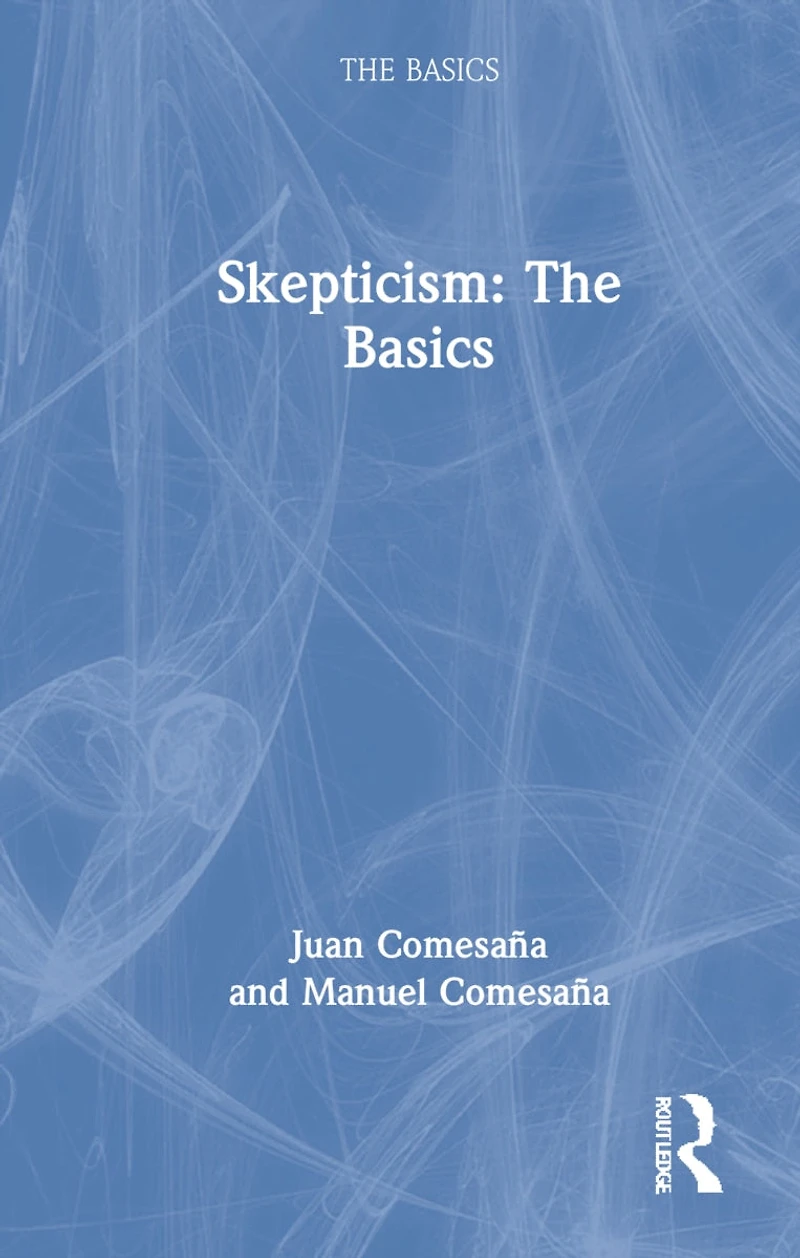
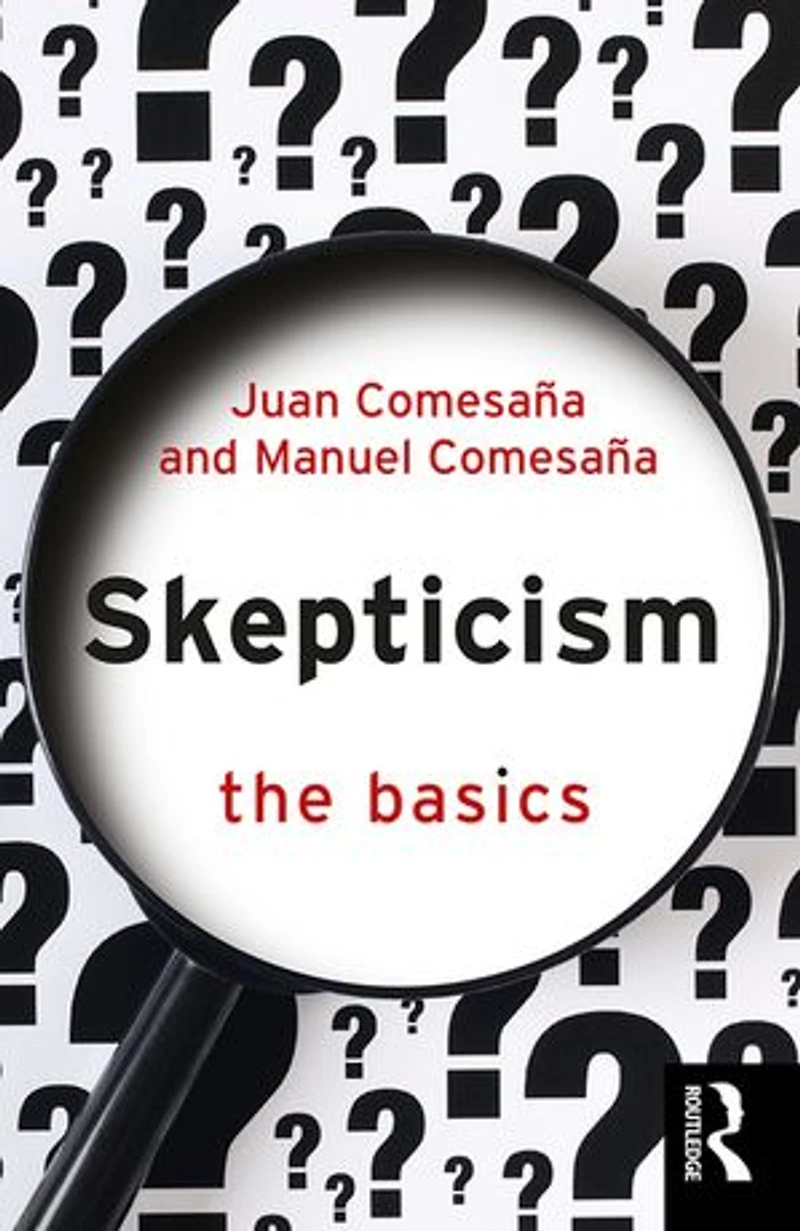
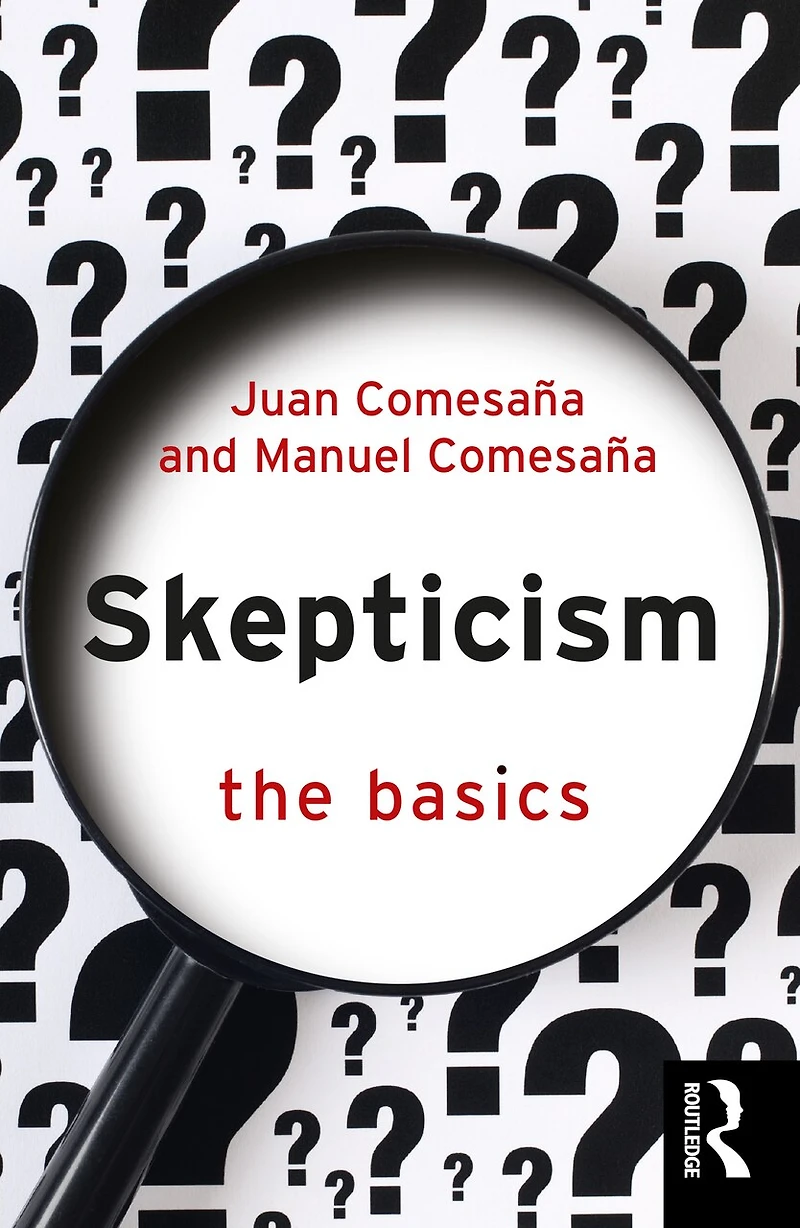
Skepticism: The Basics in Ottawa, ON
Current price: $207.50

Skepticism: The Basics in Ottawa, ON
Current price: $207.50
Loading Inventory...
Size: Hardcover
*Product information may vary - to confirm product availability, pricing, shipping and return information please contact Coles
This book introduces students and other interested readers to the philosophical study of skepticism, a central and long-standing subject in philosophy. The first three chapters cover knowledge , providing the necessary foundation for introducing skepticism in the book's final three chapters. Throughout, the volume addresses basic questions in these two areas, such as:
What are the differences between the three types of knowledge: direct knowledge, knowledge by ability, and propositional knowledge?
What is the Gettier problem and why does it resist easy solutions?
Why do philosophers still talk about René Descartes' techniques for raising doubts about what we can know but have largely forgotten Descartes' attempts to answer these doubts?
How do we know that we're not just brains in a vat?
Is Pyrrhonian skepticism-the idea that we know absolutely nothing-ultimately self-refuting?
With a glossary of key terms and suggestions for further reading, Skepticism: The Basics is an ideal starting point for anyone seeking a lively and accessible foray into the study of epistemology. Key Features and Benefits:
Cover both traditional topics - like the tripartite conception of knowledge - and emerging issues, like knowledge-first epistemology and concessive responses to inductive skepticism
Demystifies an area where beginners frequently get stuck: the difference between common-sense skepticism and philosophical skepticism
Clearly explains the important contributions from historical and contemporary thinkers, like Descartes, Hume, Popper, Quine, Dretske, Strawson, Nozick, and Sosa
This book introduces students and other interested readers to the philosophical study of skepticism, a central and long-standing subject in philosophy. The first three chapters cover knowledge , providing the necessary foundation for introducing skepticism in the book's final three chapters. Throughout, the volume addresses basic questions in these two areas, such as:
What are the differences between the three types of knowledge: direct knowledge, knowledge by ability, and propositional knowledge?
What is the Gettier problem and why does it resist easy solutions?
Why do philosophers still talk about René Descartes' techniques for raising doubts about what we can know but have largely forgotten Descartes' attempts to answer these doubts?
How do we know that we're not just brains in a vat?
Is Pyrrhonian skepticism-the idea that we know absolutely nothing-ultimately self-refuting?
With a glossary of key terms and suggestions for further reading, Skepticism: The Basics is an ideal starting point for anyone seeking a lively and accessible foray into the study of epistemology. Key Features and Benefits:
Cover both traditional topics - like the tripartite conception of knowledge - and emerging issues, like knowledge-first epistemology and concessive responses to inductive skepticism
Demystifies an area where beginners frequently get stuck: the difference between common-sense skepticism and philosophical skepticism
Clearly explains the important contributions from historical and contemporary thinkers, like Descartes, Hume, Popper, Quine, Dretske, Strawson, Nozick, and Sosa
You May Also Like












More About Coles at Bayshore Shopping Centre
Coles is renowned for its outstanding customer service and great selection of books. Along with the vast array of magazines, stationary, audio-books, children's literature, fiction, non-fiction and reference books, you can find accessories to make your reading experience more pleasurable. We can recommend the very best in reading today. We will help you search our titles for exactly what you need, and if we do not have it in stock, we will order it for you.
100 Bayshore Dr, Nepean, ON K2B 8C1, Canada
Find Coles at Bayshore Shopping Centre in Ottawa, ON
Visit Coles at Bayshore Shopping Centre in Ottawa, ON