

Give the Gift of Choice!
Too many options? Treat your friends and family to their favourite stores with a Bayshore Shopping Centre gift card, redeemable at participating retailers throughout the centre. Click below to purchase yours today!Purchase HereHome
Slavery and Class the American South: A Generation of Slave Narrative Testimony, 1840-1865
Coles
Loading Inventory...
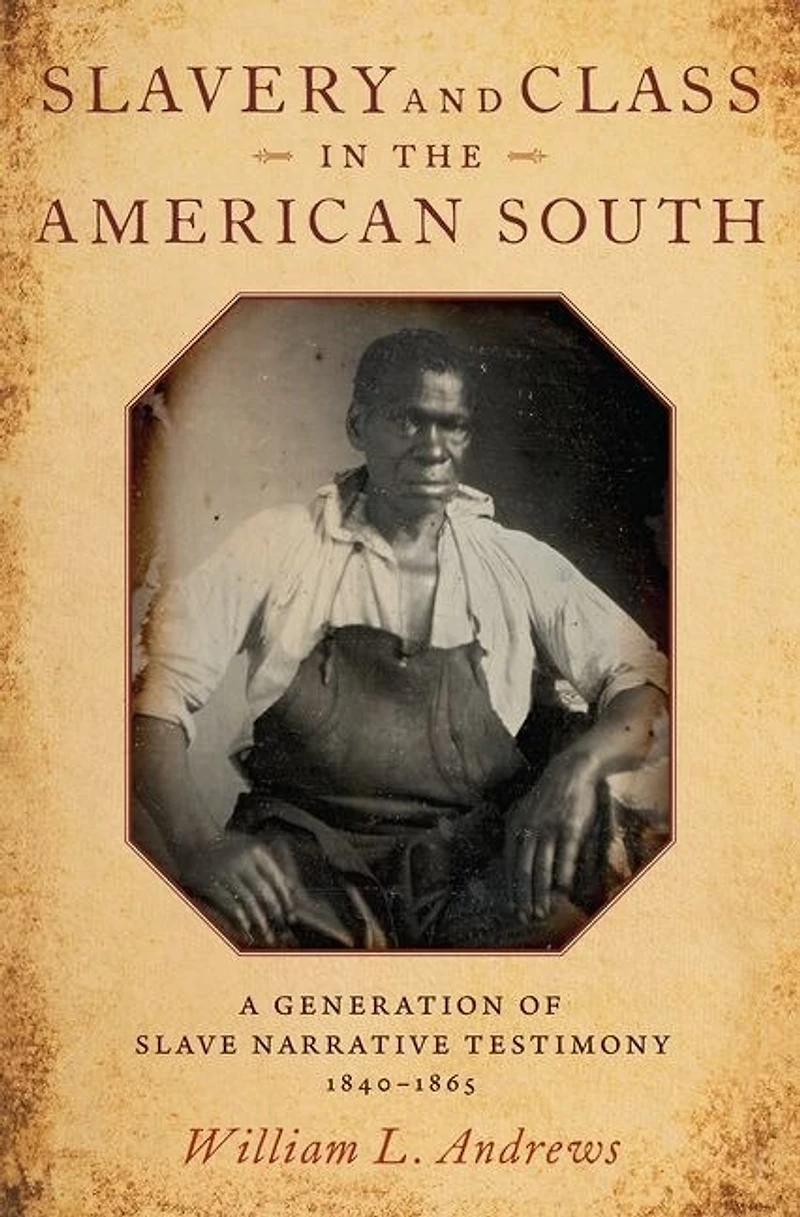
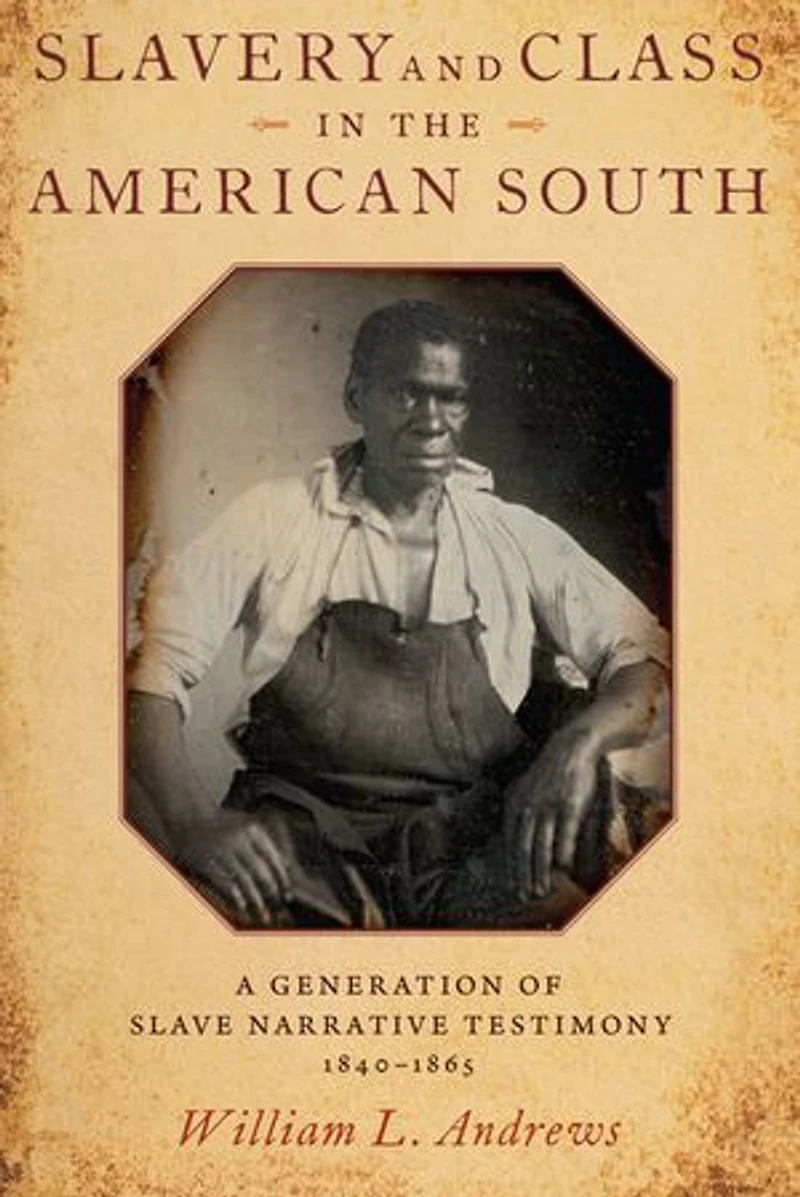
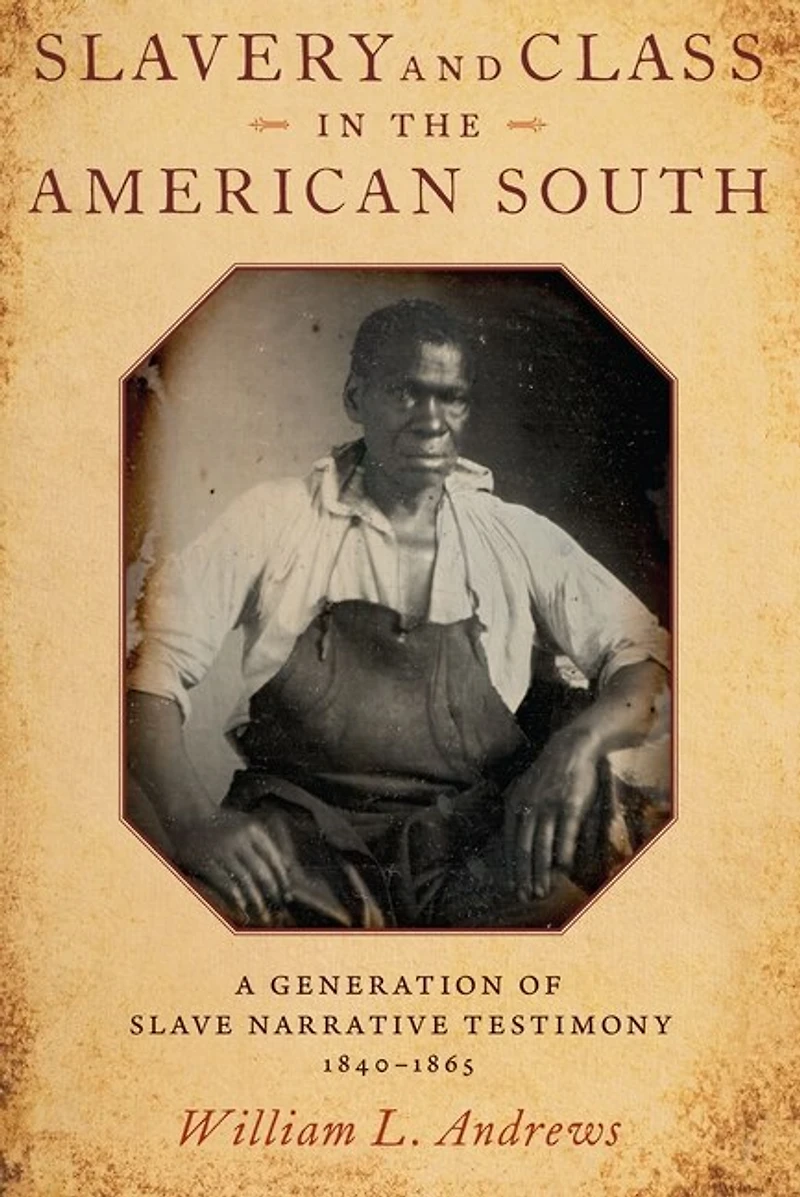
Slavery and Class the American South: A Generation of Slave Narrative Testimony, 1840-1865 in Ottawa, ON
Current price: $47.50

Slavery and Class the American South: A Generation of Slave Narrative Testimony, 1840-1865 in Ottawa, ON
Current price: $47.50
Loading Inventory...
Size: Hardcover
*Product information may vary - to confirm product availability, pricing, shipping and return information please contact Coles
"The distinction among slaves is as marked, as the classes of society are in any aristocratic community. Some refusing to associate with others whom they deem to be beneath them, in point of character, color, condition, or the superior importance of their respective masters." Henry Bibb, fugitive slave, editor, and antislavery activist, stated this in his Narrative of the Life and Adventures of Henry Bibb (1849). In William L. Andrews's magisterial study of an entire generation of slave narrators, more than 60 mid-nineteenth-century narratives reveal how work, family, skills, and connections made for social and economic differences among the enslaved of the South. Slave narrators disclosed class-based reasons for violence that broke out between "impudent," "gentleman," and "lady" slaves and their resentful "mean masters." Andrews's far-reaching book shows that status and class played key roles in the self- and social awareness and in the processes of liberation portrayed in the narratives of the most celebrated fugitives from U.S. slavery, such as Frederick Douglass, Harriet Jacobs, William Wells Brown, and William and Ellen Craft.
Slavery and Class in the American South explains why social and economic distinctions developed and how they functioned among the enslaved. Noting that the majority of the slave narrators came from the higher echelons of the enslaved, Andrews also pays close attention to the narratives that have received the least notice from scholars, those from the most exploited class, the "field hands." By examining the lives of the most and least acclaimed heroes and heroines of the slave narrative, Andrews shows how the dividing edge of social class cut two ways, sometimes separating upper and lower strata of slaves to their enslavers' advantage, but at other times fueling pride, aspiration, and a sense of just deserts among some of the enslaved that could be satisfied by nothing less than complete freedom.
The culmination of a career spent studying African American literature, this comprehensive study of the antebellum slave narrative offers a ground-breaking consideration of a unique genre of American literature.
"The distinction among slaves is as marked, as the classes of society are in any aristocratic community. Some refusing to associate with others whom they deem to be beneath them, in point of character, color, condition, or the superior importance of their respective masters." Henry Bibb, fugitive slave, editor, and antislavery activist, stated this in his Narrative of the Life and Adventures of Henry Bibb (1849). In William L. Andrews's magisterial study of an entire generation of slave narrators, more than 60 mid-nineteenth-century narratives reveal how work, family, skills, and connections made for social and economic differences among the enslaved of the South. Slave narrators disclosed class-based reasons for violence that broke out between "impudent," "gentleman," and "lady" slaves and their resentful "mean masters." Andrews's far-reaching book shows that status and class played key roles in the self- and social awareness and in the processes of liberation portrayed in the narratives of the most celebrated fugitives from U.S. slavery, such as Frederick Douglass, Harriet Jacobs, William Wells Brown, and William and Ellen Craft.
Slavery and Class in the American South explains why social and economic distinctions developed and how they functioned among the enslaved. Noting that the majority of the slave narrators came from the higher echelons of the enslaved, Andrews also pays close attention to the narratives that have received the least notice from scholars, those from the most exploited class, the "field hands." By examining the lives of the most and least acclaimed heroes and heroines of the slave narrative, Andrews shows how the dividing edge of social class cut two ways, sometimes separating upper and lower strata of slaves to their enslavers' advantage, but at other times fueling pride, aspiration, and a sense of just deserts among some of the enslaved that could be satisfied by nothing less than complete freedom.
The culmination of a career spent studying African American literature, this comprehensive study of the antebellum slave narrative offers a ground-breaking consideration of a unique genre of American literature.
You May Also Like
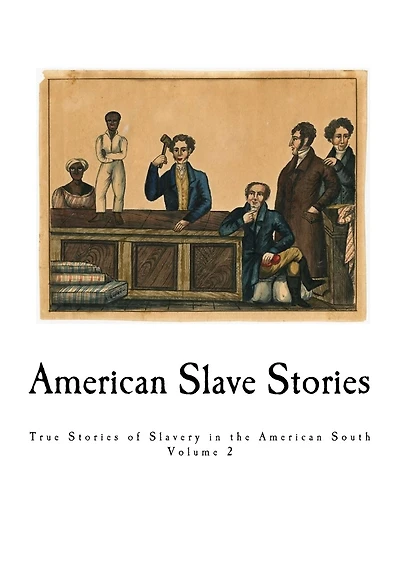








More About Coles at Bayshore Shopping Centre
Coles is renowned for its outstanding customer service and great selection of books. Along with the vast array of magazines, stationary, audio-books, children's literature, fiction, non-fiction and reference books, you can find accessories to make your reading experience more pleasurable. We can recommend the very best in reading today. We will help you search our titles for exactly what you need, and if we do not have it in stock, we will order it for you.
100 Bayshore Dr, Nepean, ON K2B 8C1, Canada
Find Coles at Bayshore Shopping Centre in Ottawa, ON
Visit Coles at Bayshore Shopping Centre in Ottawa, ON