

Give the Gift of Choice!
Too many options? Treat your friends and family to their favourite stores with a Bayshore Shopping Centre gift card, redeemable at participating retailers throughout the centre. Click below to purchase yours today!Purchase HereHome
Sleep Fictions: Rest and Its Deprivations Progressive-Era Literature
Coles
Loading Inventory...

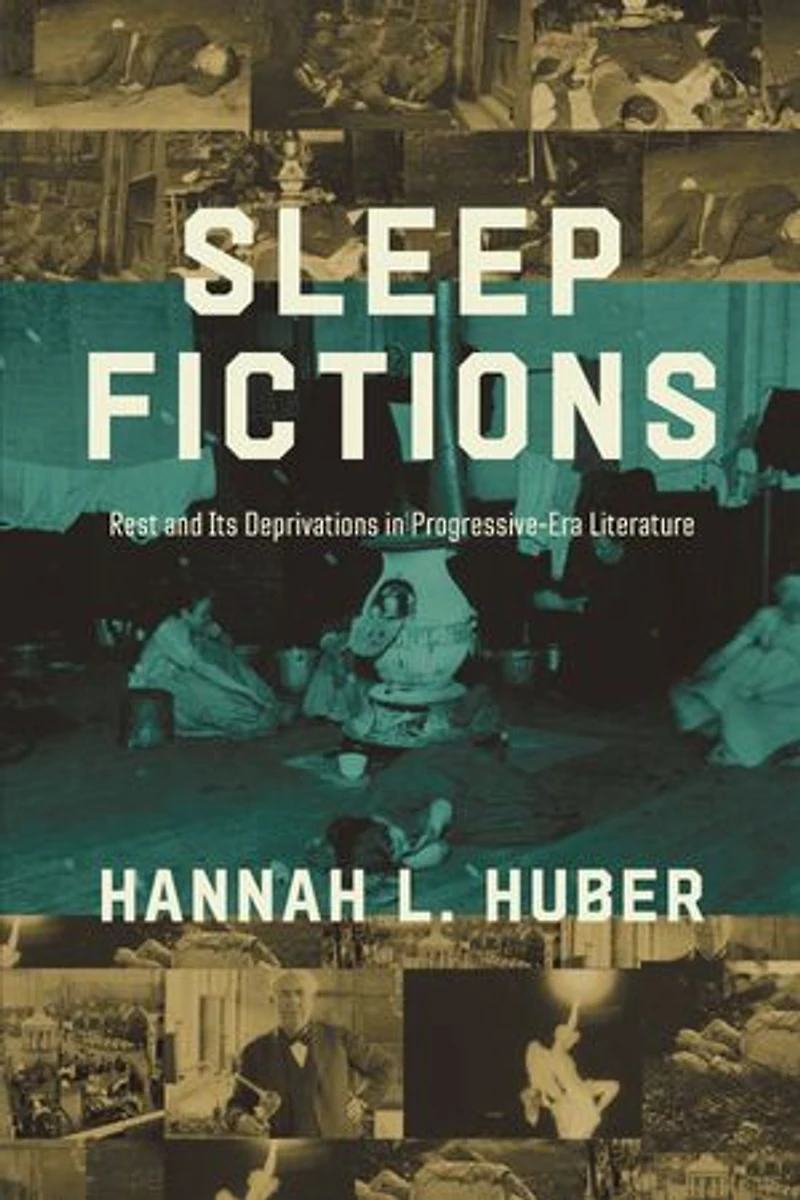

Sleep Fictions: Rest and Its Deprivations Progressive-Era Literature in Ottawa, ON
Current price: $143.00

Sleep Fictions: Rest and Its Deprivations Progressive-Era Literature in Ottawa, ON
Current price: $143.00
Loading Inventory...
Size: Hardcover
*Product information may vary - to confirm product availability, pricing, shipping and return information please contact Coles
The literary response to the dawning cult of wakefulness A turn-of-the-century influx of new technologies and the enormous impact of the electric light transformed not only individual sleeping habits but the ways American culture conceived and valued sleep. Hannah L. Huber analyzes the works of Henry James, Edith Wharton, Charles Chesnutt, and Charlotte Perkins Gilman to examine the literary response to the period’s obsession with wakefulness. As these writers blurred the separation of public and private space, their characters faced exhaustion in a modern world that permeated every moment of their lives with artificial light, traffic noise, and the social pressure to remain active at all hours. The implacable cultural clock and constant stress over physical limitations had an even greater impact on marginalized figures. Huber pays particular attention to how these writers rebutted Americans’ confidence in the body’s ability to conquer sleep with vivid portraits of the devastating consequences of sleep disruption and deprivation. The author also provides a website and text visualization tool that offers readers an interdisciplinary, deconstructed analysis of the book’s primary texts. The website can be found at: https://sleepfictions.org/sleep/scalar/index
The literary response to the dawning cult of wakefulness A turn-of-the-century influx of new technologies and the enormous impact of the electric light transformed not only individual sleeping habits but the ways American culture conceived and valued sleep. Hannah L. Huber analyzes the works of Henry James, Edith Wharton, Charles Chesnutt, and Charlotte Perkins Gilman to examine the literary response to the period’s obsession with wakefulness. As these writers blurred the separation of public and private space, their characters faced exhaustion in a modern world that permeated every moment of their lives with artificial light, traffic noise, and the social pressure to remain active at all hours. The implacable cultural clock and constant stress over physical limitations had an even greater impact on marginalized figures. Huber pays particular attention to how these writers rebutted Americans’ confidence in the body’s ability to conquer sleep with vivid portraits of the devastating consequences of sleep disruption and deprivation. The author also provides a website and text visualization tool that offers readers an interdisciplinary, deconstructed analysis of the book’s primary texts. The website can be found at: https://sleepfictions.org/sleep/scalar/index
You May Also Like













More About Coles at Bayshore Shopping Centre
Coles is renowned for its outstanding customer service and great selection of books. Along with the vast array of magazines, stationary, audio-books, children's literature, fiction, non-fiction and reference books, you can find accessories to make your reading experience more pleasurable. We can recommend the very best in reading today. We will help you search our titles for exactly what you need, and if we do not have it in stock, we will order it for you.
100 Bayshore Dr, Nepean, ON K2B 8C1, Canada
Find Coles at Bayshore Shopping Centre in Ottawa, ON
Visit Coles at Bayshore Shopping Centre in Ottawa, ON