

Give the Gift of Choice!
Too many options? Treat your friends and family to their favourite stores with a Bayshore Shopping Centre gift card, redeemable at participating retailers throughout the centre. Click below to purchase yours today!Purchase HereHome
Smokejumpers of the Civilian Public Service in World War II: Conscientious Objectors as Firefighters for the National Forest Service
Coles
Loading Inventory...
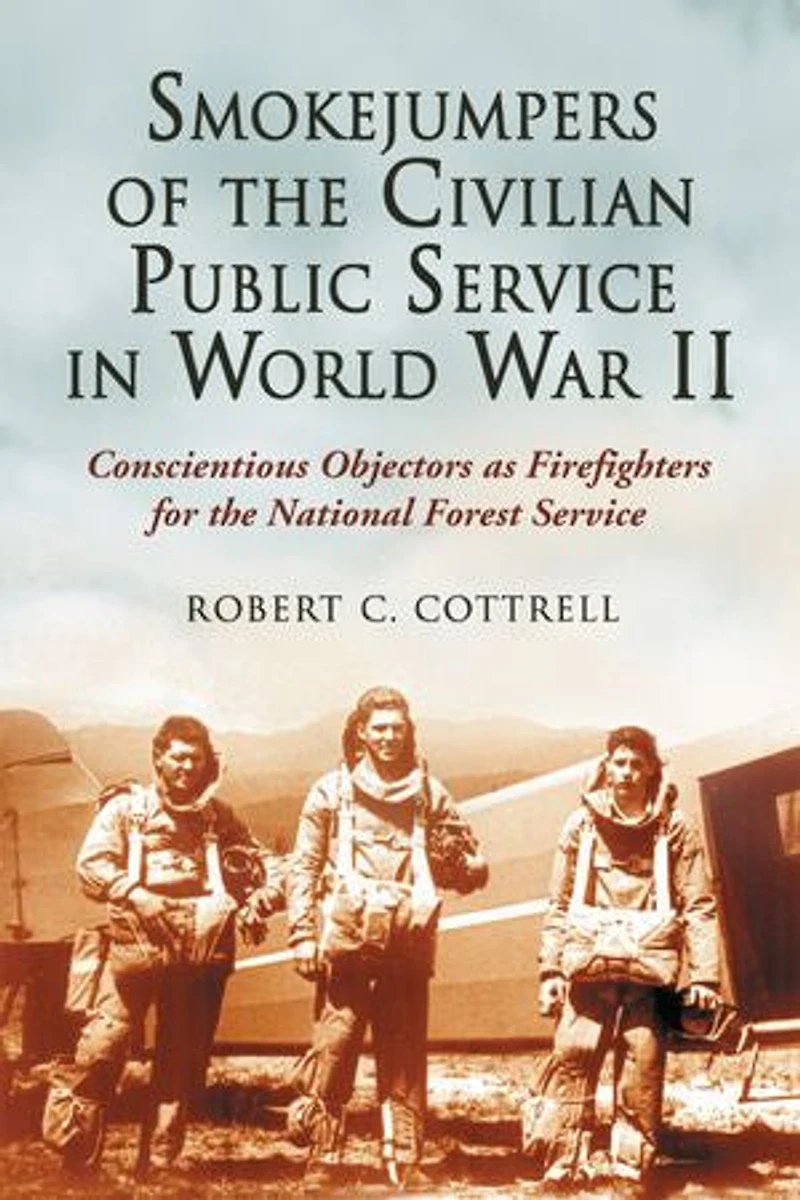
Smokejumpers of the Civilian Public Service in World War II: Conscientious Objectors as Firefighters for the National Forest Service in Ottawa, ON
Current price: $21.79
Original price: $27.13

Smokejumpers of the Civilian Public Service in World War II: Conscientious Objectors as Firefighters for the National Forest Service in Ottawa, ON
Current price: $21.79
Original price: $27.13
Loading Inventory...
Size: Kobo eBook
*Product information may vary - to confirm product availability, pricing, shipping and return information please contact Coles
This is the story of Civilian Public Service smokejumpers, who battled against dangerous winds, searing heat, and devastating fires from 1943 until 1945. Fewer than 300 World War II conscientious objectors served their country in this fashion, operating out of CPS bases in Montana, Idaho, and Oregon. But that small band of men helped to keep alive Forest Service operations in the Pacific Northwest and thus sustained a program to fight potentially crippling fires. When the war ended, CPS smokejumpers, like millions of World War II combat soldiers, were "ushered out" of wartime service. Some, like many returning GIs, encountered difficulties in adjusting to civilian life. Nevertheless, the one-time smokejumpers often went on to make other remarkable contributions to their communities, their nation, and the world.
This is the story of Civilian Public Service smokejumpers, who battled against dangerous winds, searing heat, and devastating fires from 1943 until 1945. Fewer than 300 World War II conscientious objectors served their country in this fashion, operating out of CPS bases in Montana, Idaho, and Oregon. But that small band of men helped to keep alive Forest Service operations in the Pacific Northwest and thus sustained a program to fight potentially crippling fires. When the war ended, CPS smokejumpers, like millions of World War II combat soldiers, were "ushered out" of wartime service. Some, like many returning GIs, encountered difficulties in adjusting to civilian life. Nevertheless, the one-time smokejumpers often went on to make other remarkable contributions to their communities, their nation, and the world.
You May Also Like















More About Coles at Bayshore Shopping Centre
Coles is renowned for its outstanding customer service and great selection of books. Along with the vast array of magazines, stationary, audio-books, children's literature, fiction, non-fiction and reference books, you can find accessories to make your reading experience more pleasurable. We can recommend the very best in reading today. We will help you search our titles for exactly what you need, and if we do not have it in stock, we will order it for you.
100 Bayshore Dr, Nepean, ON K2B 8C1, Canada
Find Coles at Bayshore Shopping Centre in Ottawa, ON
Visit Coles at Bayshore Shopping Centre in Ottawa, ON