

Give the Gift of Choice!
Too many options? Treat your friends and family to their favourite stores with a Bayshore Shopping Centre gift card, redeemable at participating retailers throughout the centre. Click below to purchase yours today!Purchase HereHome
Soccer Diplomacy: International Relations and Football since 1914
Coles
Loading Inventory...
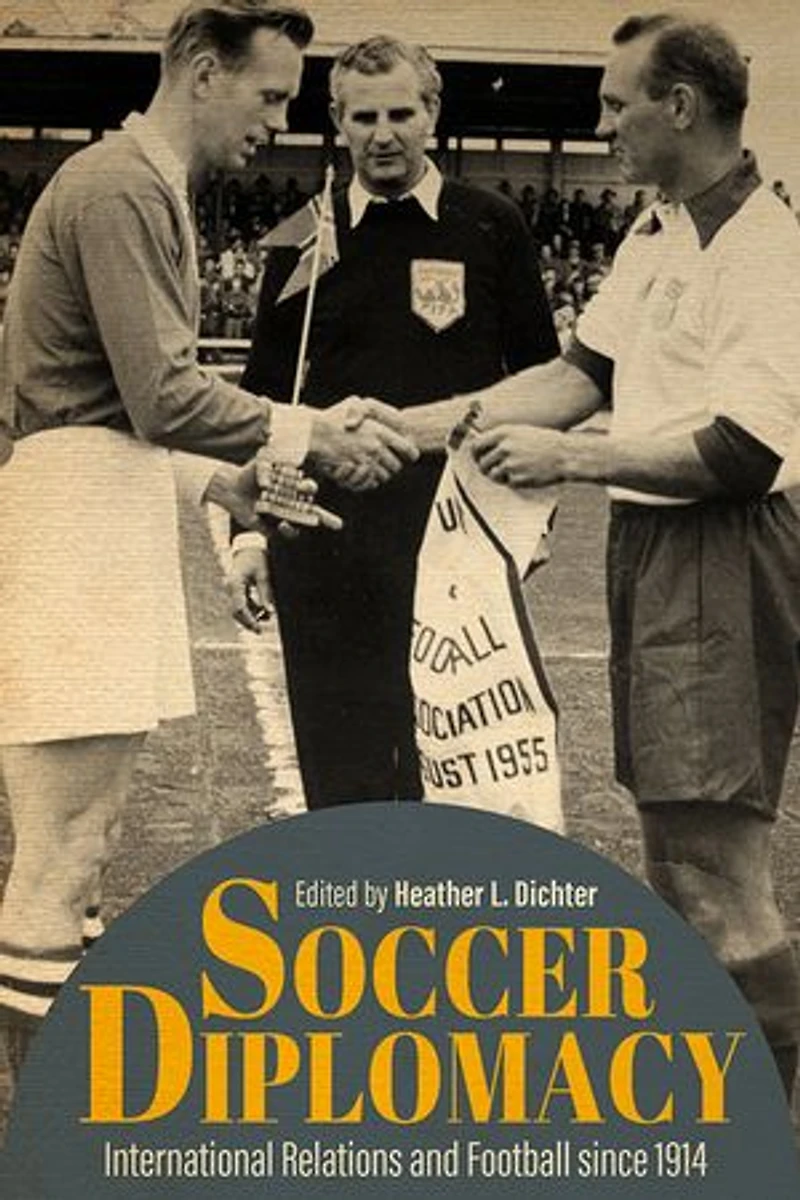
Soccer Diplomacy: International Relations and Football since 1914 in Ottawa, ON
Current price: $43.49
Original price: $54.29

Soccer Diplomacy: International Relations and Football since 1914 in Ottawa, ON
Current price: $43.49
Original price: $54.29
Loading Inventory...
Size: Kobo eBook
*Product information may vary - to confirm product availability, pricing, shipping and return information please contact Coles
Although the game of soccer is known by many names around the world—football, fútbol, Fußball, voetbal—the sport is a universal language. Throughout the past century, governments have used soccer to further their diplomatic aims through a range of actions including boycotts, carefully orchestrated displays at matches, and more. In turn, soccer organizations have leveraged their power over membership and tournament decisions to play a role in international relations.
In Soccer Diplomacy , an international group of experts analyzes the relationship between soccer and diplomacy. Together, they investigate topics such as the use of soccer as a tool of nation-state–based diplomacy, soccer as a non-state actor, and the relationship between soccer and diplomatic actors in subnational, national, and transnational contexts. They also examine the sport as a conduit for representation, communication, and negotiation.
Drawing on a wealth of historical examples, the contributors demonstrate that governments must frequently address soccer as part of their diplomatic affairs. They argue that this single sport—more than the Olympics, other regional multisport competitions, or even any other sport—reveals much about international relations, how states attempt to influence foreign views, and regional power dynamics.
Although the game of soccer is known by many names around the world—football, fútbol, Fußball, voetbal—the sport is a universal language. Throughout the past century, governments have used soccer to further their diplomatic aims through a range of actions including boycotts, carefully orchestrated displays at matches, and more. In turn, soccer organizations have leveraged their power over membership and tournament decisions to play a role in international relations.
In Soccer Diplomacy , an international group of experts analyzes the relationship between soccer and diplomacy. Together, they investigate topics such as the use of soccer as a tool of nation-state–based diplomacy, soccer as a non-state actor, and the relationship between soccer and diplomatic actors in subnational, national, and transnational contexts. They also examine the sport as a conduit for representation, communication, and negotiation.
Drawing on a wealth of historical examples, the contributors demonstrate that governments must frequently address soccer as part of their diplomatic affairs. They argue that this single sport—more than the Olympics, other regional multisport competitions, or even any other sport—reveals much about international relations, how states attempt to influence foreign views, and regional power dynamics.








More About Coles at Bayshore Shopping Centre
Coles is renowned for its outstanding customer service and great selection of books. Along with the vast array of magazines, stationary, audio-books, children's literature, fiction, non-fiction and reference books, you can find accessories to make your reading experience more pleasurable. We can recommend the very best in reading today. We will help you search our titles for exactly what you need, and if we do not have it in stock, we will order it for you.
100 Bayshore Dr, Nepean, ON K2B 8C1, Canada
Find Coles at Bayshore Shopping Centre in Ottawa, ON
Visit Coles at Bayshore Shopping Centre in Ottawa, ON