

Give the Gift of Choice!
Too many options? Treat your friends and family to their favourite stores with a Bayshore Shopping Centre gift card, redeemable at participating retailers throughout the centre. Click below to purchase yours today!Purchase HereHome
Social Media Southeast Turkey: Love, Kinship And Politics
Coles
Loading Inventory...
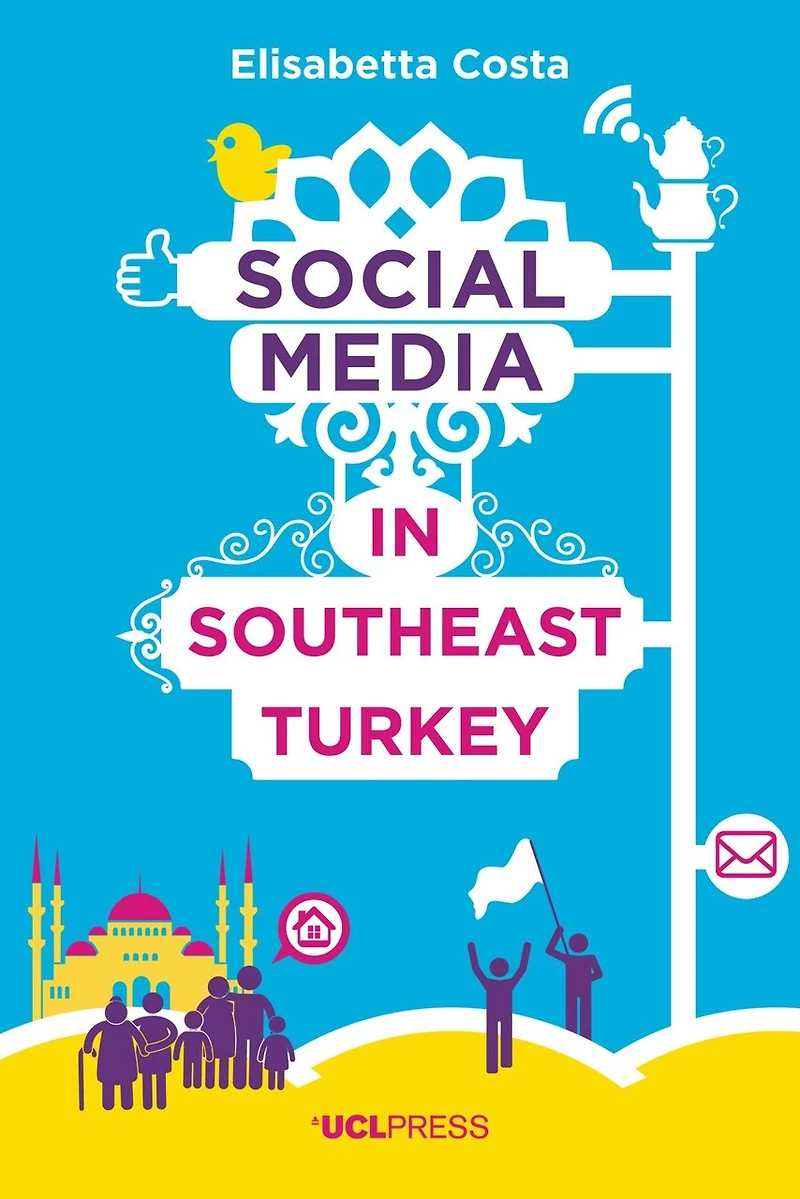
Social Media Southeast Turkey: Love, Kinship And Politics in Ottawa, ON
Current price: $84.50

Social Media Southeast Turkey: Love, Kinship And Politics in Ottawa, ON
Current price: $84.50
Loading Inventory...
Size: Hardcover
*Product information may vary - to confirm product availability, pricing, shipping and return information please contact Coles
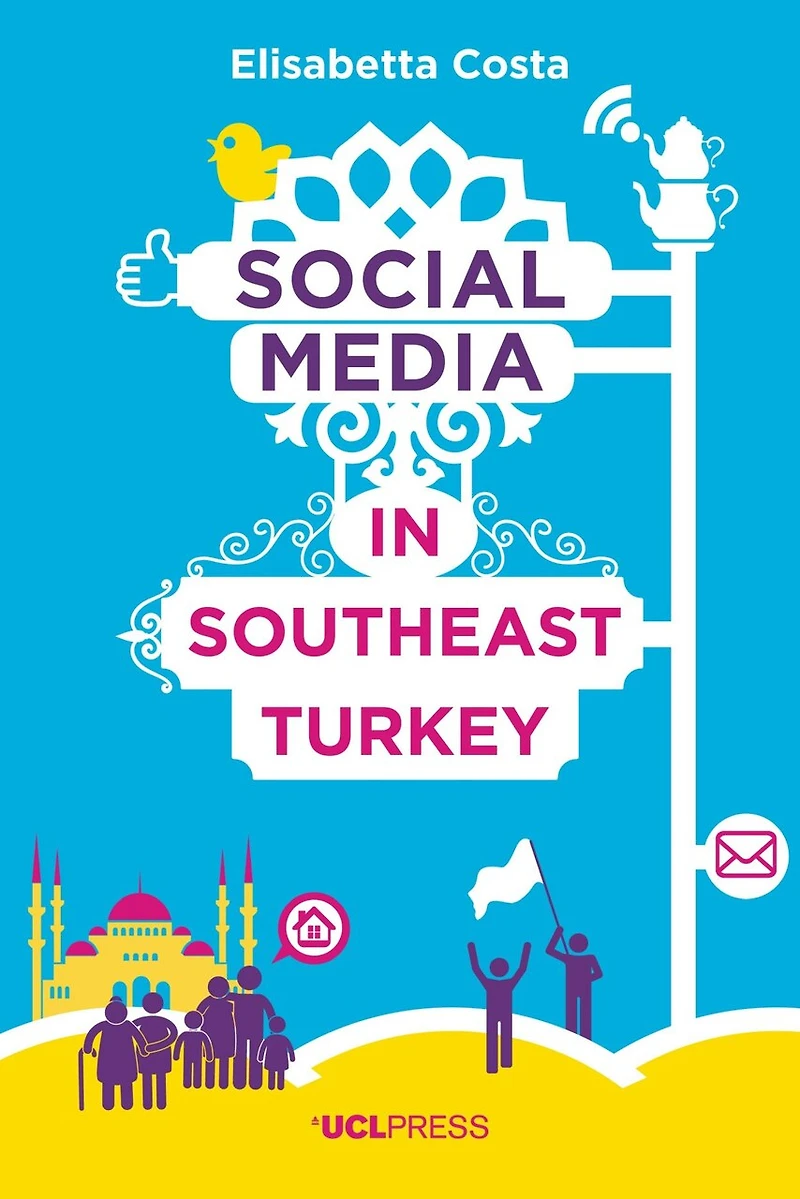
This book presents an ethnographic study of social media in Mardin, a medium-sized town located in the Kurdish region of Turkey. The town is inhabited mainly by Sunni Muslim Arabs and Kurds, and has been transformed in recent years by urbanisation, neoliberalism and political events. Elisabetta Costa uses her 15 months of ethnographic research to explain why public-facing social media is more conservative than offline life. Yet, at the same time, social media has opened up unprecedented possibilities for private communications between genders and in relationships among young people – Costa reveals new worlds of intimacy, love and romance. She also discovers that, when viewed from the perspective of people’s everyday lives, political participation on social media looks very different to how it is portrayed in studies of political postings separated from their original complex, and highly socialised, context.
This book presents an ethnographic study of social media in Mardin, a medium-sized town located in the Kurdish region of Turkey. The town is inhabited mainly by Sunni Muslim Arabs and Kurds, and has been transformed in recent years by urbanisation, neoliberalism and political events. Elisabetta Costa uses her 15 months of ethnographic research to explain why public-facing social media is more conservative than offline life. Yet, at the same time, social media has opened up unprecedented possibilities for private communications between genders and in relationships among young people – Costa reveals new worlds of intimacy, love and romance. She also discovers that, when viewed from the perspective of people’s everyday lives, political participation on social media looks very different to how it is portrayed in studies of political postings separated from their original complex, and highly socialised, context.
You May Also Like











More About Coles at Bayshore Shopping Centre
Coles is renowned for its outstanding customer service and great selection of books. Along with the vast array of magazines, stationary, audio-books, children's literature, fiction, non-fiction and reference books, you can find accessories to make your reading experience more pleasurable. We can recommend the very best in reading today. We will help you search our titles for exactly what you need, and if we do not have it in stock, we will order it for you.
100 Bayshore Dr, Nepean, ON K2B 8C1, Canada
Find Coles at Bayshore Shopping Centre in Ottawa, ON
Visit Coles at Bayshore Shopping Centre in Ottawa, ON