

Give the Gift of Choice!
Too many options? Treat your friends and family to their favourite stores with a Bayshore Shopping Centre gift card, redeemable at participating retailers throughout the centre. Click below to purchase yours today!Purchase HereHome
Socialism: Utopian and Scientific
Coles
Loading Inventory...
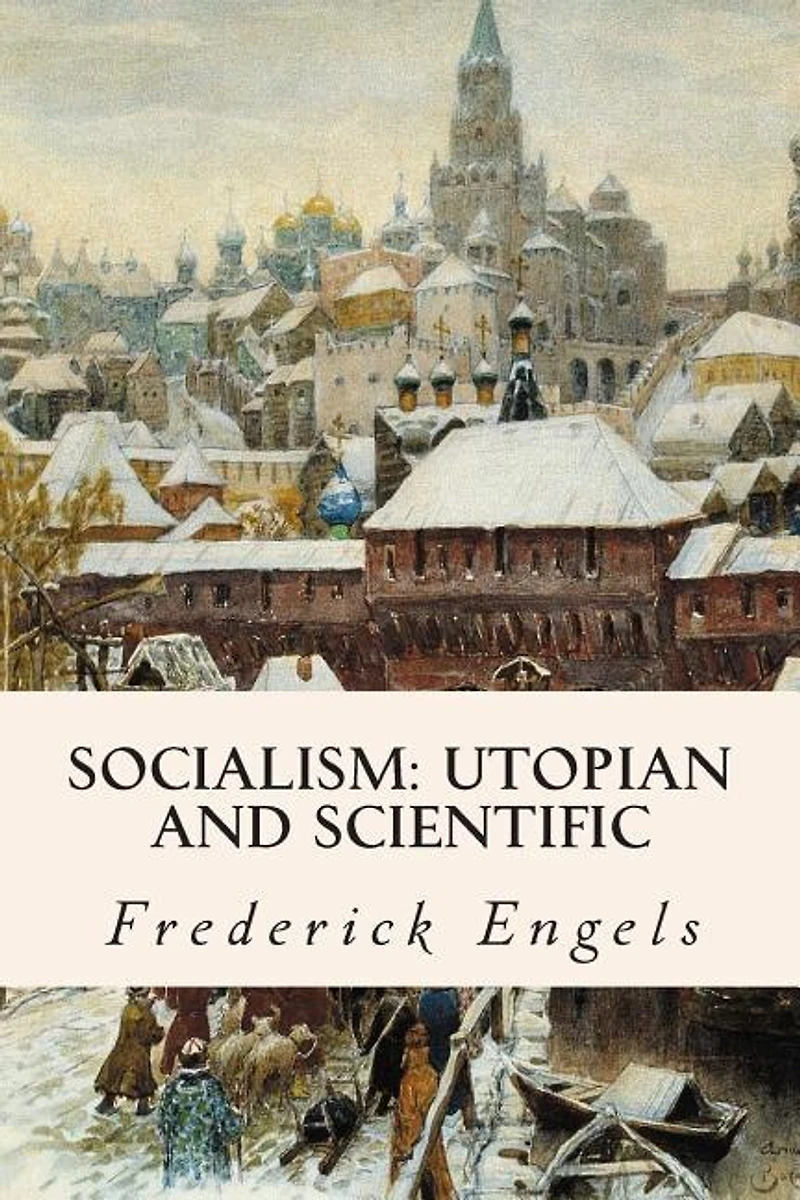
Socialism: Utopian and Scientific in Ottawa, ON
Current price: $8.62

Socialism: Utopian and Scientific in Ottawa, ON
Current price: $8.62
Loading Inventory...
Size: Paperback
*Product information may vary - to confirm product availability, pricing, shipping and return information please contact Coles
Socialism, Utopian and Scientific is a political science classic that needs no preface. It ranks with the Communist Manifesto as one of the indispensable books for any one desiring to understand the modern socialist movement. It has been translated into every language where capitalism prevails, and its circulation is more rapid than ever before. The book explains the differences between utopian socialism and scientific socialism, which Marxism considers itself to embody. The book explains that whereas utopian socialism is idealist, reflects the personal opinions of the authors and claims that society can be adapted based on these opinions, scientific socialism derives itself from reality. It focuses on the materialist conception of history, which is based on an analysis over history, and concludes that communism naturally follows capitalism. Engels begins the book by chronicaling the thought of utopian socialists, starting with Saint-Simon. He then proceeds to Fourier and Robert Owen. In Chapter Two, he summarizes dialectics, and then chronicles the thought from the ancient Greeks to Hegel. Chapter Three summarizes dialectics in relation to economic and social struggles, essentially echoing the words of Marx
Socialism, Utopian and Scientific is a political science classic that needs no preface. It ranks with the Communist Manifesto as one of the indispensable books for any one desiring to understand the modern socialist movement. It has been translated into every language where capitalism prevails, and its circulation is more rapid than ever before. The book explains the differences between utopian socialism and scientific socialism, which Marxism considers itself to embody. The book explains that whereas utopian socialism is idealist, reflects the personal opinions of the authors and claims that society can be adapted based on these opinions, scientific socialism derives itself from reality. It focuses on the materialist conception of history, which is based on an analysis over history, and concludes that communism naturally follows capitalism. Engels begins the book by chronicaling the thought of utopian socialists, starting with Saint-Simon. He then proceeds to Fourier and Robert Owen. In Chapter Two, he summarizes dialectics, and then chronicles the thought from the ancient Greeks to Hegel. Chapter Three summarizes dialectics in relation to economic and social struggles, essentially echoing the words of Marx
You May Also Like














More About Coles at Bayshore Shopping Centre
Coles is renowned for its outstanding customer service and great selection of books. Along with the vast array of magazines, stationary, audio-books, children's literature, fiction, non-fiction and reference books, you can find accessories to make your reading experience more pleasurable. We can recommend the very best in reading today. We will help you search our titles for exactly what you need, and if we do not have it in stock, we will order it for you.
100 Bayshore Dr, Nepean, ON K2B 8C1, Canada
Find Coles at Bayshore Shopping Centre in Ottawa, ON
Visit Coles at Bayshore Shopping Centre in Ottawa, ON