

Give the Gift of Choice!
Too many options? Treat your friends and family to their favourite stores with a Bayshore Shopping Centre gift card, redeemable at participating retailers throughout the centre. Click below to purchase yours today!Purchase HereHome
Socioeconomics, Philosophy, and Deneocoloniality: Exploring the Economic Impact of Colonialism Neocolonialism Across Africa Its Diaspora
Coles
Loading Inventory...
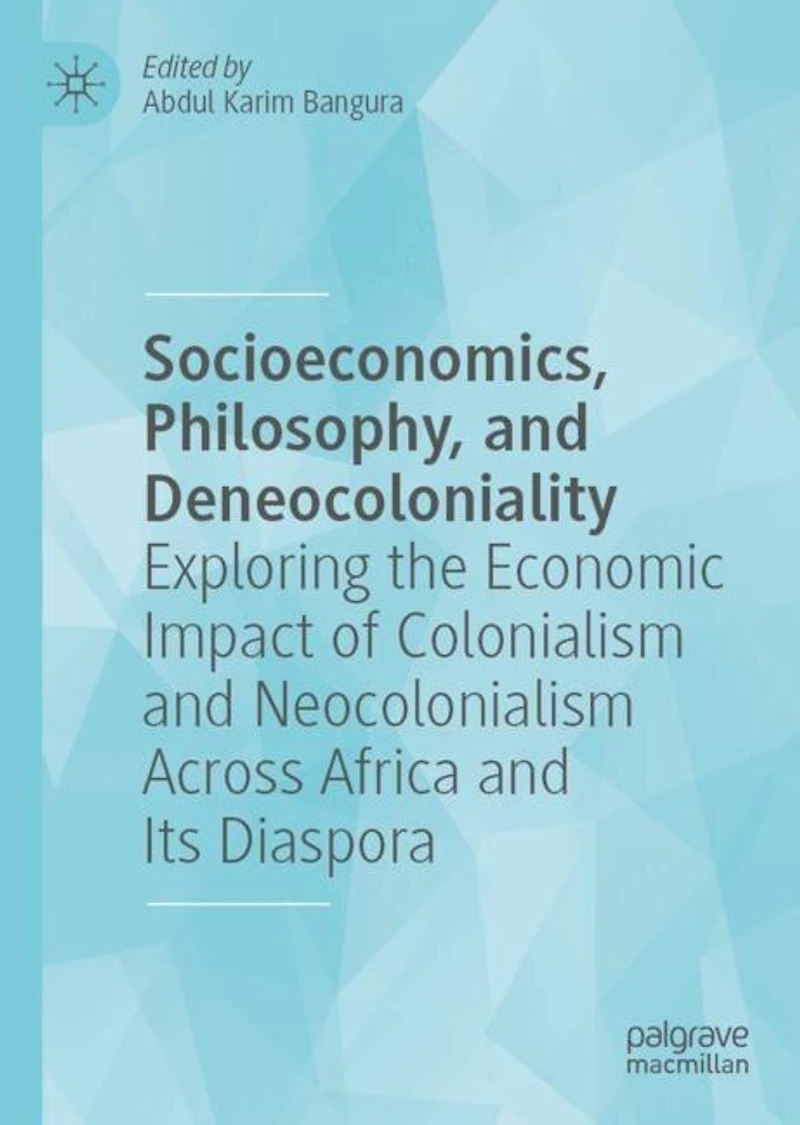
Socioeconomics, Philosophy, and Deneocoloniality: Exploring the Economic Impact of Colonialism Neocolonialism Across Africa Its Diaspora in Ottawa, ON
Current price: $364.95

Socioeconomics, Philosophy, and Deneocoloniality: Exploring the Economic Impact of Colonialism Neocolonialism Across Africa Its Diaspora in Ottawa, ON
Current price: $364.95
Loading Inventory...
Size: Hardcover
*Product information may vary - to confirm product availability, pricing, shipping and return information please contact Coles
Existing paradigms such as "decoloniality" simplify the complex dynamics between former colonies and colonial powers. Such frameworks overlook the role of local elites in maintaining and even enhancing oppressive systems. They also imply that external forces are responsible for ongoing exploitation. This book tackles this concept head on by introducing a new methodology called "deneocoloniality." Deoneocoloniality expands on decoloniality and neocolonialism. It argues that, while decoloniality focuses on the residual impacts of colonialism by external forces, it neglects the internal dynamics where former colonized elites play a significant role in perpetuating oppression for personal gain. The book presents socioeconomic and philosophical case studies to support deneocoloniality as a more comprehensive framework for understanding current realities in African countries. Readers will gain a nuanced understanding of the intricate power structures affecting developing nations. The book provides a structured methodology for analyzing problems, emphasizing the importance of logical reasoning and collaborative efforts. It offers practical solutions based on deep analysis, moving beyond mere diagnosis to actionable recommendations. This approach aims to equip readers with the tools needed to develop policies and strategies that address both external and internal sources of oppression.
Existing paradigms such as "decoloniality" simplify the complex dynamics between former colonies and colonial powers. Such frameworks overlook the role of local elites in maintaining and even enhancing oppressive systems. They also imply that external forces are responsible for ongoing exploitation. This book tackles this concept head on by introducing a new methodology called "deneocoloniality." Deoneocoloniality expands on decoloniality and neocolonialism. It argues that, while decoloniality focuses on the residual impacts of colonialism by external forces, it neglects the internal dynamics where former colonized elites play a significant role in perpetuating oppression for personal gain. The book presents socioeconomic and philosophical case studies to support deneocoloniality as a more comprehensive framework for understanding current realities in African countries. Readers will gain a nuanced understanding of the intricate power structures affecting developing nations. The book provides a structured methodology for analyzing problems, emphasizing the importance of logical reasoning and collaborative efforts. It offers practical solutions based on deep analysis, moving beyond mere diagnosis to actionable recommendations. This approach aims to equip readers with the tools needed to develop policies and strategies that address both external and internal sources of oppression.
You May Also Like













More About Coles at Bayshore Shopping Centre
Coles is renowned for its outstanding customer service and great selection of books. Along with the vast array of magazines, stationary, audio-books, children's literature, fiction, non-fiction and reference books, you can find accessories to make your reading experience more pleasurable. We can recommend the very best in reading today. We will help you search our titles for exactly what you need, and if we do not have it in stock, we will order it for you.
100 Bayshore Dr, Nepean, ON K2B 8C1, Canada
Find Coles at Bayshore Shopping Centre in Ottawa, ON
Visit Coles at Bayshore Shopping Centre in Ottawa, ON