

Give the Gift of Choice!
Too many options? Treat your friends and family to their favourite stores with a Bayshore Shopping Centre gift card, redeemable at participating retailers throughout the centre. Click below to purchase yours today!Purchase HereHome
Soil Health Restoration and Management
Coles
Loading Inventory...
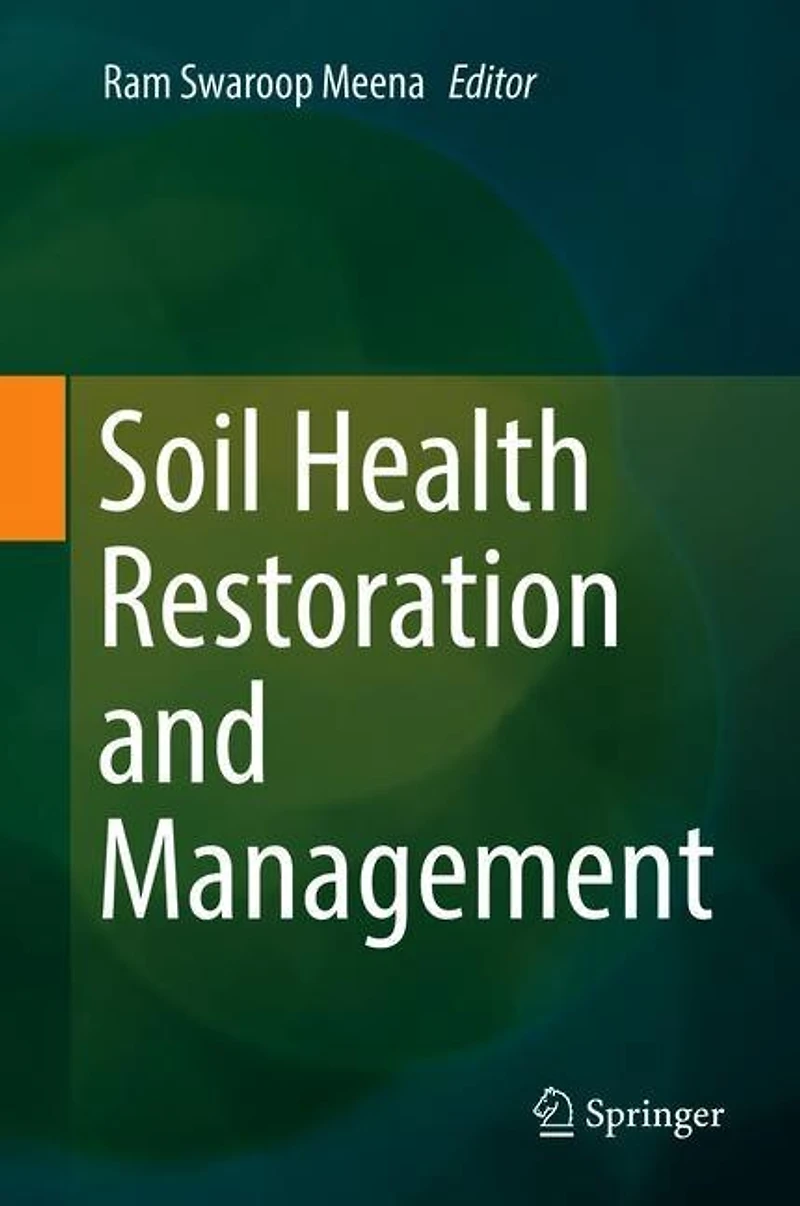
Soil Health Restoration and Management in Ottawa, ON
Current price: $248.50

Soil Health Restoration and Management in Ottawa, ON
Current price: $248.50
Loading Inventory...
Size: Hardcover
*Product information may vary - to confirm product availability, pricing, shipping and return information please contact Coles
Meeting the food requirements of an ever-increasing population is a pressing challenge for every country around the globe. Soil degradation has a negative impact on food security by reducing the cultivated land areas, while at the same time the world population is predicted to increase to 9.2 billion in 2050. Soil degradation adversely affects soil function and productivity and degraded soils now amount to 6 billion ha worldwide. The major factors are salinization, erosion, depletion of nutrients due to exhaustive agricultural practices and contamination with toxic metal ions and agrochemicals, which reduces the activity of soil microbe. In addition, poor soil management also decreases fertility. As such, measures are required to restore the soil health and productivity: organic matter, beneficial microorganisms and nutrient dynamics can all improve the physical, chemical and biological properties of soil. Understanding the role of soil health restoration and management in sustainability and nutritional security calls for a holistic approach to assess soil functions and examine the contributions of a particular management system within a defined timescale. Further, best management practices in cropping systems are important in ensuring sustainability and food and nutritional security without compromising the soil quality and productivity potential. Rational soil management practices must allow environmentally and economically sustainable yields and restoration of soil health.
Meeting the food requirements of an ever-increasing population is a pressing challenge for every country around the globe. Soil degradation has a negative impact on food security by reducing the cultivated land areas, while at the same time the world population is predicted to increase to 9.2 billion in 2050. Soil degradation adversely affects soil function and productivity and degraded soils now amount to 6 billion ha worldwide. The major factors are salinization, erosion, depletion of nutrients due to exhaustive agricultural practices and contamination with toxic metal ions and agrochemicals, which reduces the activity of soil microbe. In addition, poor soil management also decreases fertility. As such, measures are required to restore the soil health and productivity: organic matter, beneficial microorganisms and nutrient dynamics can all improve the physical, chemical and biological properties of soil. Understanding the role of soil health restoration and management in sustainability and nutritional security calls for a holistic approach to assess soil functions and examine the contributions of a particular management system within a defined timescale. Further, best management practices in cropping systems are important in ensuring sustainability and food and nutritional security without compromising the soil quality and productivity potential. Rational soil management practices must allow environmentally and economically sustainable yields and restoration of soil health.
You May Also Like










More About Coles at Bayshore Shopping Centre
Coles is renowned for its outstanding customer service and great selection of books. Along with the vast array of magazines, stationary, audio-books, children's literature, fiction, non-fiction and reference books, you can find accessories to make your reading experience more pleasurable. We can recommend the very best in reading today. We will help you search our titles for exactly what you need, and if we do not have it in stock, we will order it for you.
100 Bayshore Dr, Nepean, ON K2B 8C1, Canada
Find Coles at Bayshore Shopping Centre in Ottawa, ON
Visit Coles at Bayshore Shopping Centre in Ottawa, ON